
The Bodmin Jail Hotel, a premier luxury destination housed within a meticulously restored eighteenth-century correctional facility, recently found itself at the center of a public relations crisis following a devastating food hygiene inspection. Despite its reputation for high-end hospitality and striking architectural design, the Cornish establishment was issued a startling one-out-of-five rating by the Food Standards Agency in early 2026. This assessment indicates that major improvements are mandatory to satisfy basic safety requirements, a revelation that has sent shockwaves through the regional tourism sector. The dichotomy between the hotel’s prestigious five-star status and its failure to pass a routine health check highlights a critical vulnerability in the luxury market. While guests often pay a premium for the ambiance of a converted historic ruin, the internal mechanisms required to safeguard public health must operate with the same precision as the front-of-house service.
Structural Complexity and Regulatory Compliance
The Hidden Costs of Administrative Negligence
A detailed examination of the inspection report suggests that the hotel’s primary failings were not rooted in a lack of physical cleanliness, but rather in a systemic breakdown of documentation. Inspectors noted that the cooking facilities and the physical environment remained in a high state of hygiene, which makes the low rating even more paradoxical for the average observer. However, the Food Standards Agency emphasizes that food safety is predicated on a comprehensive management system that includes rigorous record-keeping and systematic checks. The absence of these verified protocols meant that management could not objectively prove that the food served was consistently safe for consumption. This administrative oversight suggests that even the most well-funded operations can falter if they prioritize aesthetic appeal over the mundane, yet essential, bureaucratic tasks of delivery logging and temperature monitoring.
Beyond the missing paperwork, the environmental health officers identified specific deficiencies in hygienic food handling practices that required immediate corrective action from the management team. These concerns spanned several critical phases of the culinary process, including the preparation, cooking, reheating, cooling, and storage of ingredients within the facility’s kitchens. In a high-volume luxury environment, maintaining tight control over these variables is essential to prevent cross-contamination and the growth of harmful bacteria. The failure to meet these thresholds indicates a lapse in the operational oversight usually expected of an award-winning venue nominated for prestigious architectural honors. It serves as a reminder that the transition from a derelict historical site to a modern hospitality hub involves more than just structural reinforcement; it requires the continuous implementation of contemporary safety standards.
Maintaining Hygiene Standards in Heritage Properties
Operating a high-end kitchen within the confines of an 18th-century prison presents unique logistical hurdles that can complicate even the most standard safety procedures. While the hotel successfully navigated the architectural challenges to earn nominations for the Royal Institute of British Architects South West Awards, the functional requirements of a five-star kitchen are far more fluid. The historic nature of the building often imposes constraints on ventilation and workflow, which in turn necessitates a more robust management plan than that of a purpose-built modern facility. When these specialized plans are not meticulously followed or documented, the risk of a regulatory failure increases exponentially. The incident underscores the necessity for heritage-based businesses to invest as much in their digital compliance infrastructure as they do in their physical restorations to ensure long-term viability.
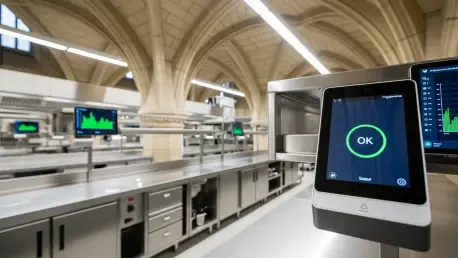
To mitigate these risks, establishments must adopt integrated food safety software that provides real-time alerts when checks are missed or when temperatures deviate from safe ranges. By automating the data collection process, hospitality managers can remove the element of human error that often leads to incomplete delivery logs or missing reheating records. This digital transformation is particularly vital for luxury venues where the complexity of the menu often requires diverse cooking techniques that each carry their own set of regulatory requirements. Relying on paper-based systems in a fast-paced, high-pressure environment is increasingly viewed as an outdated practice that leaves the business vulnerable to the type of reputational damage seen in Cornwall. Transitioning to cloud-based monitoring ensures that safety data is always accessible for inspection, providing an auditable trail of excellence.
Strategic Responses to Operational Crises
Human Capital as a Catalyst for Change
In the wake of the dismal rating, the Tudor Hotels Collection, which oversees the property, initiated a sweeping restructuring of its kitchen operations to address the identified shortcomings. The most significant move involved the appointment of a new Head Chef tasked with modernizing the kitchen’s culture and enforcing a zero-tolerance policy toward regulatory non-compliance. This leadership change was accompanied by an intensive retraining program for all staff members, focusing on the rigorous maintenance of cleaning schedules and the accuracy of temperature logs. By replacing the existing management structure, the hotel sought to demonstrate its commitment to operational excellence and to signal to the public that the safety of its guests is a non-negotiable priority. Such a rapid and transparent response is often the only way for a luxury brand to salvage its reputation after a public failure.
This restructuring also highlighted the importance of clear communication channels between the kitchen staff and the executive management team. Often, administrative failures occur because the personnel on the ground are overwhelmed by operational demands, leading them to view paperwork as a secondary priority. By fostering a culture where safety documentation is integrated into the natural flow of the workday, the new leadership aimed to bridge the gap between back-of-house efficiency and regulatory compliance. Moreover, regular internal audits were established to mirror the standards of the Food Standards Agency, ensuring that any potential issues are identified and rectified long before an official inspector arrives. This proactive approach not only safeguards the health of the clientele but also builds a resilient operational framework that can withstand the pressures of high-season tourism.
Establishing Resilient Food Safety Management Systems
The management team at the Bodmin Jail Hotel took proactive steps to resolve the crisis by requesting a formal re-evaluation from environmental health officers to restore the hotel’s damaged reputation. They implemented a comprehensive overhaul of their food safety management system, ensuring that every point of contact with food was governed by a verifiable protocol. Moving forward, hospitality organizations should prioritize the implementation of redundant safety checks where multiple staff members verify critical data points. This strategy ensures that a single administrative oversight does not result in a catastrophic failure during a government audit. Furthermore, investing in third-party safety consultants can provide an objective perspective on kitchen operations, helping to identify blind spots that internal teams might overlook due to their familiarity with the daily routine.
Establishing a culture of continuous improvement is the most effective way to prevent the recurrence of such significant regulatory setbacks in the future. Organizations must move beyond mere compliance and strive for a standard of excellence that exceeds government mandates, thereby creating a buffer of safety. This involves regular workshops, staying updated on the latest food safety technologies, and encouraging staff to voice concerns regarding any perceived lapses in protocol. The lessons learned from the Cornish prison conversion serve as a valuable case study for the entire luxury hospitality industry. By treating food safety as a core component of the guest experience rather than an invisible back-end requirement, hotels can protect their brand equity and ensure that their historic legacies are defined by their hospitality rather than their administrative shortcomings.