
In an industry bracing for economic uncertainty and technological disruption, hotel management and development company First Hospitality is not waiting for the future—it is actively building it. The firm has unveiled a forward-thinking strategic plan for 2026, designed to navigate potential headwinds by anchoring its operations in a powerful trifecta of transparency, technology, and strategic intelligence. This article explores how First Hospitality’s vision transcends typical industry responses, outlining a comprehensive blueprint that intelligently blends artificial intelligence with an unwavering commitment to the human touch, aiming to enhance both guest and employee experiences for sustainable, long-term success.
The Shifting Landscape: Why a New Strategy is Essential
The hospitality sector is at a critical inflection point. The post-pandemic travel boom is leveling off, giving way to more cautious consumer spending and a slowdown in corporate travel. This economic moderation creates a challenging environment where revenue growth can no longer be taken for granted. Simultaneously, the rise of consumer-facing AI platforms like Google’s AI Overviews and ChatGPT is fundamentally reshaping how travelers discover, research, and book their stays. These intelligent systems are creating new pathways to purchase, altering search engine dynamics, and placing a premium on digital visibility. These shifts create a complex environment where traditional operational models are no longer sufficient. Recognizing this, First Hospitality’s 2026 plan is a direct response to these dual pressures, built on the understanding that future success will depend on a company’s ability to be both technologically adept and profoundly human-centric.
Forging a Resilient Future: The Core Pillars of the 2026 Strategy
Mastering the Digital Frontier with AI-Powered Tools
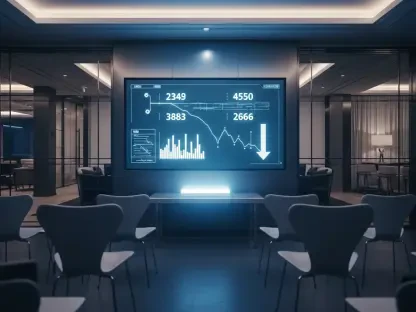
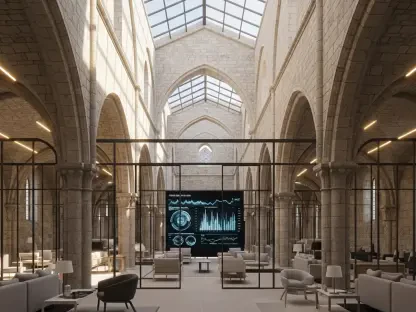
First Hospitality views the AI revolution not as a threat, but as a pivotal opportunity to bridge the knowledge gap for its hotel operators. The company is deploying a two-pronged strategy to master the new digital landscape. The first component is the GEO Playbook, a dynamic educational resource that demystifies AI search algorithms for its property teams, providing actionable tactics to enhance visibility and capture emerging demand. This internal guide is continuously updated to reflect the latest changes in AI-driven search, ensuring that hotel teams can proactively adapt their digital presence to remain discoverable. It moves beyond high-level theory to offer concrete steps for optimizing content, managing online reputation, and aligning with the signals that AI prioritizes. The second is First Analytics, a proprietary suite of real-time performance management tools. This platform gives general managers and owners transparent, data-rich insights into KPIs and guest experience metrics, enabling agile, AI-informed decision-making that optimizes operations without sacrificing personalized service. By consolidating data into intuitive dashboards and scorecards, the platform empowers leaders to identify trends, address operational inefficiencies, and respond to guest feedback with unprecedented speed, ensuring that technology serves as a catalyst for better human-led service.
Cultivating Talent as the Foundation of Service
Acknowledging that persistent labor shortages are a critical industry challenge, First Hospitality has doubled down on its “People First” culture. The company’s strategy centers on both aggressive recruitment and robust internal retention, viewing a stable, motivated workforce as the bedrock of exceptional service. This is not merely a philosophical stance but a core business imperative, as consistent service quality directly correlates with guest loyalty and positive reviews, which in turn fuel the AI-driven discovery engines. This commitment is validated by impressive 2025 metrics, including over 150 internal promotions, a reduction in time-to-fill for key leadership roles to under 30 days, and a strong 4.3 out of 5 rating on Glassdoor. These figures illustrate a tangible return on investment in human capital. The focus on internal mobility creates clear career pathways, fostering loyalty and reducing costly turnover. Meanwhile, an efficient recruitment process ensures that properties are staffed with qualified leaders who can maintain operational excellence. By fostering an environment of growth and support, the company ensures its teams are empowered to deliver the high-touch experiences that technology alone cannot provide.
Driving Revenue Through Hyper-Local Intelligence
While CBRE forecasts a flat 2025 for U.S. RevPAR growth (0.1 percent), First Hospitality projects modest growth for its portfolio, driven by strong Average Daily Rate (ADR) performance. This confidence stems from a data-driven revenue management strategy that leverages hyper-local market intelligence. Rather than reacting to broad national trends, the company’s commercial teams dive deep into the specific dynamics of each property’s micro-market, analyzing competitor positioning, local event calendars, and shifting demand patterns. In 2025, this approach led to a 3 percent increase in occupancy and, crucially, an 8 percent surge in corporate negotiated business—a stark contrast to the national decline. This success demonstrates the power of a proactive and granular approach. By empowering sales teams with deep market insights, the company strategically navigates weaker demand segments, such as fluctuating business travel, by targeting more resilient leisure segments and negotiating from a position of strength. This allows them to maintain rate integrity and prove that even in a challenging market, targeted and intelligent strategies can yield significant growth.
Redefining the Guest Experience for the New Value Economy
As travelers become more discerning, the concept of “value” is evolving beyond price. Economic pressures are leading consumers to scrutinize their spending, but this does not simply mean they are seeking the lowest cost. Instead, they are prioritizing a higher return on their investment in the form of memorable, enriching, and seamless experiences. First Hospitality anticipates that 2026 will be the “year of the story,” where guests prioritize meaningful connections, personalization, and authentic local experiences. The strategy is to weave a narrative through every touchpoint, from the welcoming lavender mist and local artisan chocolates at The Hancock Hotel to The Lively Hotel’s “Unauthorized Secret Art Society”—a series of hidden sculptures that encourage exploration. This approach transforms a hotel stay from a transaction into a journey of discovery. This storytelling extends to the dining experience with the rise of “mindful indulgence,” featuring craft spirit-free cocktails and elevated “dining at the bar” menus that offer an accessible yet sophisticated culinary journey. This trend caters to guests who desire a celebratory experience without excess, blending quality with consciousness. This philosophy culminates in empowering housekeeping teams to become brand ambassadors, using technology to enhance efficiency so they can focus on delivering a higher standard of wellness, safety, and personalized care, leaving handwritten notes or adding small touches that make guests feel truly seen.
Actionable Insights for a Tech-Integrated, Human-Centered Future
First Hospitality’s 2026 plan offers a clear and replicable framework for success in the modern hospitality landscape. Key takeaways for industry leaders include the imperative to embrace AI as an enhancement tool that empowers staff, not a replacement that diminishes service. Technology should be implemented to automate mundane tasks and provide data-driven insights, freeing up team members to focus on high-impact, interpersonal interactions that define a great guest experience. It highlights the strategic necessity of investing in a resilient, internal-first talent pipeline to ensure service quality and operational stability. A culture that prioritizes career growth and employee well-being is no longer a perk but a critical defense against labor volatility. Furthermore, the plan underscores the need to redefine “value” away from price, focusing instead on authentic local storytelling and personalized experiences that create emotional resonance and justify a premium rate. Finally, it demonstrates the power of leveraging granular, data-driven insights to execute hyper-local revenue strategies that can outperform broader market trends, proving that success in a flat market is achievable through intelligent, targeted action.
The Enduring Power of a Synthesized Approach
First Hospitality’s 2026 vision is more than a business plan; it is a compelling argument for the future of the industry. By refusing to choose between technology and humanity, the company is creating a synthesized model where data-driven efficiency and genuine human connection amplify one another. This approach recognizes that AI can optimize operations and guide strategy, but it cannot replicate the warmth of a genuine welcome or the personal touch that transforms a good stay into an unforgettable one. As the world becomes increasingly automated, this strategy serves as a powerful reminder that the most enduring competitive advantage in hospitality will always be a memorable, emotionally resonant experience. The ultimate takeaway is that the hotels poised to thrive will be those that use technology not to build walls, but to open doors to more meaningful human interaction, ensuring that efficiency serves empathy and innovation deepens connection.