
In the quick-service industry, even a fifty-cent increase in the price of a cheese slice can alienate customers who view food as a commodity. This transactional reality forces many operators into a race to the bottom, where efficiency overrules atmosphere and brand loyalty is as thin as a paper napkin. Last Word Hospitality, founded by Adam Weisblatt and Holly Fox, operates on a fundamentally different plane by prioritizing emotional resonance over mere convenience. By focusing on the intersection of architectural nostalgia and operational intimacy, they have transformed from a small Los Angeles consultancy into a significant force in the regional culinary landscape. Their philosophy rejects the ephemeral nature of modern dining trends, opting instead for a human-centric design that favors longevity. This approach serves as a vital blueprint for how independent hospitality groups can grow their footprint without sacrificing the unique soul that defines their original success. The group’s expansion from 2026 to 2028 is expected to further cement this reputation as they move into historic restoration.
Cultivating a Sense of Timelessness through Design
Embracing a Vintage Aesthetic
At the core of the group’s design strategy is a counterintuitive directive: purposefully creating spaces that feel as though they have been established for decades. In an era where many establishments chase the latest architectural fads or optimize for social media photography, Weisblatt and Fox have anchored their brand in the rejection of the new. They argue that trends are inherently ephemeral and that anything designed specifically to look cutting-edge today is doomed to feel dated within a few short years. By deliberately avoiding these pitfalls, they create environments that possess a sense of permanent relevance. This philosophy ensures that a restaurant functions as a comfortable, familiar backdrop to the lives of guests rather than acting as an intrusive or distracting stage set. The goal is to produce a sense of belonging that transcends the specific menu or cocktail list, making the physical space itself a primary reason for a patron’s return.
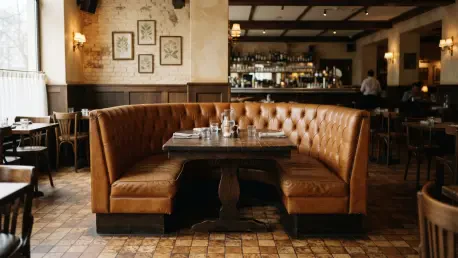
This meticulous focus on storied environments is visible in the material choices used throughout their portfolio, such as the use of caramel-tiled bars and classic leather booths. At Hermon’s in Montecito Heights, the team successfully evoked a sense of worn elegance despite the location being an entirely new construction. By selecting materials that age gracefully and suggest a history of use, they bypass the sterile atmosphere often associated with modern developments. This strategy requires a deep understanding of how textures and colors interact to create a feeling of warmth and stability. The success of this approach is measured by how quickly a new opening integrates into the daily rhythm of its neighborhood. Instead of being perceived as a disruptive newcomer, the establishment feels like a long-lost friend that has finally returned. This careful orchestration of nostalgia allows the hospitality group to build trust with a community before the first plate is even served.
Preserving History in the High Desert
The commitment to timelessness extends beyond the urban sprawl of Los Angeles and into the unique landscapes of the high desert. In projects like The Copper Room in Yucca Valley, the group focused on restoration rather than reinvention, meticulously reviving a bar that once served icons of the mid-century era. By preserving the panoramic views of a nearby airstrip and maintaining the original jet-set charm, they ensured the space remained anchored in its specific history. This approach requires a level of restraint that is rare in the industry, as it involves working within existing architectural boundaries rather than imposing a foreign concept onto a location. The result is a space that feels authentic to its surroundings, appealing to both local residents and visitors seeking a genuine experience. These desert projects demonstrate that a successful hospitality group must act as a steward of local history, protecting the character of a site while modernizing its operations.
Working in collaboration with local stakeholders, such as the owners of the Pioneertown Motel, the group has successfully expanded its influence into rural markets without appearing like a corporate transplant. Each desert project, from the Old West saloon atmosphere of Red Dog to the sophisticated lounge feel of the Copper Room, reflects a dedication to the specific spirit of the region. This geographical diversity is tied together by a consistent focus on social interaction and the preservation of historic landmarks. They are currently applying this same philosophy to the revival of the Lord Fletcher Inn in Rancho Mirage, a project that highlights their ability to breathe new life into heritage sites. By honoring the past, they create a sense of continuity that resonates deeply with patrons who value authenticity over artifice. This strategy not only preserves the physical history of the building but also ensures the restaurant remains a vital part of the community for years to come.
Maximizing Energy and Human Connection
The Evolution of Found Oyster
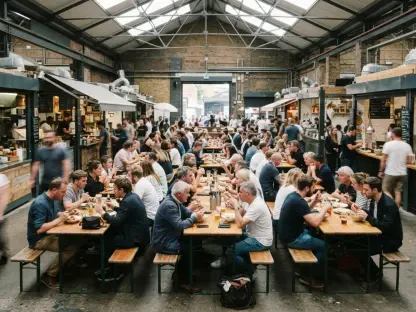
Found Oyster, which established its presence in East Hollywood several years ago, stands as the quintessential example of how physical constraints can be leveraged to maximize atmosphere. The restaurant was initially limited to a narrow, twenty-six-seat storefront on Fountain Avenue, a footprint dictated more by financial necessity than by a desire for extreme minimalism. However, these tight quarters quickly became the establishment’s greatest asset, forcing a level of energy and interaction that would be impossible in a sprawling venue. The interior features checkered tiles, custom oyster stands, and a single wooden bar that serves as the focal point of all activity. In this compact environment, the distinction between the service team and the guests begins to fade, creating a vibrant, communal experience. The limited square footage necessitated a streamlined operation, where every movement by the staff was choreographed to maintain a high tempo without sacrificing the quality of the seafood.
The success of this narrow oyster bar proved that a restaurant does not need a massive footprint to leave a significant impact on the local dining scene. By leaning into the limitations of the space, the founders created a close-quarters energy that defined the restaurant’s identity. Guests were not just diners; they were participants in a high-energy social event where the sights and sounds of a busy kitchen were part of the entertainment. This model showed that when the physical environment is designed to foster proximity, the energy of the room becomes contagious, drawing people in and encouraging them to linger. The intimacy of the space also allowed for a more direct connection between the culinary team and the patrons, as oyster shuckers and bartenders worked side-by-side in full view of the counter. This transparency built a level of trust and engagement that is often lost in larger, more segregated dining rooms, further solidifying the restaurant’s place as a local favorite.
Empowering Staff and Strategic Longevity
A significant factor in the group’s success is their commitment to a service-to-owner pipeline, which is deeply rooted in the founders’ own backgrounds as former floor staff. They recognize that the education gained while waiting tables or tending bar is invaluable for understanding the logistical realities of hospitality. As a result, they empower their culinary and operational leaders by giving them ownership stakes and creative freedom within their respective restaurants. Chefs like Ari Kolender and Johnny Lee are not just employees; they are partners who have a direct stake in the long-term success of the business. This model ensures that the restaurants feel like personal, passionate projects rather than corporate-mandated acts. By valuing the worker and fostering a culture of internal growth, the group maintains a level of expertise and loyalty that is rare in the industry. This respect for the staff translates directly into a better experience for the guests who visit any of their locations.
In retrospect, the group’s success was defined by their ability to prioritize human personality over rigid concepts and intimacy over spaciousness. For operators looking to follow this path, the primary takeaway is that lasting value is created when a restaurant feels like it has always belonged to its community. Moving forward, the focus remains on identifying historic sites with existing character and empowering local talent to take ownership of the narrative. They demonstrated that by focusing on timeless design rather than fleeting trends, a hospitality group could build a sustainable ecosystem of restaurants that resonated on an emotional level. This approach required a constant balance between fiscal responsibility and creative freedom, ensuring that the soul of the business was never sacrificed for the sake of efficiency. Ultimately, they proved that the future of the industry lies in the cultivation of diverse, neighborhood-specific spaces that celebrate the unique nuances of their local environments.