
The logistics of a road trip, including specific inquiries about parking security and valet availability, frequently signal the arrival of a traveler from the Boomer generation. In the current landscape of 2026, the hospitality industry has recognized that the demographic born between 1946 and 1964 remains the most significant financial pillar of the travel economy. While younger cohorts are often swayed by the fluctuating prices of short-term rentals or the minimalist appeal of boutique hostels, the Boomer generation maintains a steadfast commitment to traditional hotels that offer a high degree of reliability and standardized service. This preference is deeply rooted in the value they place on consistent quality and the assurance that their specific needs will be met without compromise. According to recent hospitality reports, travel has become a top-tier priority for over 85% of adults in this age group, who now view exploration as a key component of their lifestyle and legacy.
For hotel professionals, identifying these guests starts long before they arrive at the check-in desk. The behavioral markers are distinct and predictable, ranging from the timing of their reservations to the specific channels they use for communication. By synthesizing data from booking patterns and frontline observations, staff can create a guest profile that allows for anticipatory service. This level of preparation is essential, as Boomer travelers are known for their high expectations regarding professional conduct and physical comfort. They are not merely looking for a place to sleep; they are seeking an environment where the service is as reliable as the amenities. As the industry continues to evolve through the latter half of the decade, understanding these “telltale moves” has become a vital operational strategy for luxury and mid-scale hotels alike, ensuring that the needs of this high-value demographic are addressed with precision and care.
Predictable Booking and Communication Styles
Strategic Long-Range Planning: Brand Loyalty and Lead Times
One of the most immediate indicators for a hotel’s reservation team is the lead time associated with a booking. In an era where younger travelers frequently rely on last-minute mobile deals and spontaneous weekend getaways, Boomers remain the masters of the long-range plan. Statistical data from major hospitality chains indicates that nearly half of travelers over the age of 60 secure their international and premium domestic arrangements a full year in advance. This preference for early booking is not merely a habit but a strategic move to ensure certainty. By securing their rooms early, they guarantee the availability of specific room types, preferred views, or proximity to elevators, avoiding the uncertainty of the “best available” inventory that often characterizes eleventh-hour bookings.
Furthermore, this demographic demonstrates a clear preference for direct brand engagement over third-party aggregators. While younger generations may scroll through multiple discount apps to save a marginal percentage, Boomers consistently book through official hotel websites to maximize the benefits of loyalty programs. For a front-desk agent, seeing a high-tier loyalty number attached to a reservation made six to nine months in advance is a definitive sign of a Boomer guest. This loyalty is driven by a desire for a standardized experience where their history with the brand is acknowledged. They value the relationship built with a specific brand family, often returning to the same hotel year after year. This predictability allows the property to manage its inventory more effectively while preparing personalized greetings and room upgrades that reinforce the guest’s status within the loyalty framework.
The Human Element: Preference for Verbal Communication
Despite the proliferation of AI-driven chatbots and mobile messaging apps in 2026, the Boomer generation stands out for its continued preference for human-to-human interaction. A significant portion of this demographic chooses to call to confirm a reservation that was initially made online. For hotel staff, these calls are rarely about administrative changes; instead, they serve as a tool for reassurance and personalization. During these interactions, guests often verify that specific requirements—such as ADA-compliant features, grab bars in bathrooms, or quiet rooms away from vending machines—have been correctly noted in their profile. These conversations provide a valuable “head start” for the staff, allowing them to transform a digital entry into a detailed personal profile based on the guest’s tone and specific concerns.
These verbal interactions also allow the guest to gauge the level of hospitality they can expect upon arrival. Boomers value the professional decorum and clear communication that a trained agent provides over the phone. While younger travelers might find a phone call cumbersome, the Boomer guest views it as a necessary step in ensuring a seamless stay. For the hotel, these calls are an opportunity to build rapport and demonstrate value. By the time the guest reaches the lobby, the front-desk team has often already briefed the housekeeping and concierge departments on the guest’s preferences. This high-touch approach to communication is a hallmark of the Boomer travel experience, signaling a guest who prizes clarity and personal attention above the convenience of automated, faceless technology.
Logistical Preferences and Transportation
The Golden Age: Resurgence of the Classic Road Trip
The Baby Boomer generation grew up during the peak of American highway culture, and that nostalgia continues to shape their modern travel habits. In 2026, a majority of older travelers still prefer the autonomy of a personal or rental vehicle over the logistical challenges of air travel or the unpredictability of ridesharing. This preference for driving creates a unique set of inquiries that act as a signal for hotel staff. When a reservation includes specific questions about the security of the parking garage, the availability of valet services, or the proximity of gas stations and electric vehicle charging ports, the front-office team can reasonably conclude the guest belongs to the Boomer cohort. They value the control that driving provides, allowing them to travel at their own pace without being beholden to airline schedules.
This vehicle-centric approach is also reflected in the geographical patterns of their bookings. Many Boomers opt for destinations that are within a day’s drive of their primary residence or use the hotel as a base for exploring surrounding scenic routes. This trend has led many properties to enhance their parking infrastructure and offer specialized “road trip” packages that include vehicle detailing or complimentary charging. For the hotel’s security and valet teams, the arrival of a well-maintained personal vehicle, often loaded with high-quality luggage, is a visual confirmation of the guest’s profile. These travelers expect their vehicles to be handled with the same care as their personal belongings, viewing the parking facility as an extension of the hotel’s overall service quality and safety standards.
High-Touch Service: Managing Vehicle-Centric Arrivals
The transition from the car to the room is a critical moment in the Boomer guest’s journey, requiring a high degree of coordination from the valet and bell desk teams. Unlike younger travelers who might prefer to handle their own carry-on bags to expedite the check-in process, Boomers often request full bell service. This is particularly true after a long drive, where the physical exertion of unloading a vehicle is something they prefer to delegate to the hotel’s professional staff. When a guest reaches out in advance to confirm garage height clearances or to request an early check-in specifically to unload a vehicle, the hotel recognizes a “high-touch” arrival. These guests expect a seamless and dignified transition, where the staff takes immediate ownership of their luggage and vehicle.
Managing these arrivals requires the staff to be proactive and observant. A Boomer guest will often wait for a valet to open the car door and expect a formal greeting that includes the use of their last name. This interaction sets the tone for the entire stay. If the valet and bell staff are efficient and professional, it validates the guest’s decision to choose a traditional hotel over a self-service alternative. Furthermore, these travelers often use the arrival process to ask the staff for local driving tips or restaurant recommendations with easy parking. By identifying these vehicle-centric needs early, the hotel can ensure that the initial impression is one of competence and hospitality, meeting the generational expectation for service that is both attentive and respectful of their independence.
Scheduling Trends and Extended Stays
Off-Peak Strategists: Capitalizing on the Quiet Season
Because many members of the Boomer generation are now retired or have attained a level of professional seniority that allows for significant flexibility, they are no longer restricted by the school calendar or traditional holiday peaks. This freedom has allowed them to become “off-peak strategists” who intentionally seek out “shoulder seasons” to avoid the crowds and inflated prices associated with peak travel periods. For hotel revenue managers, a surge in reservations for week-long stays during typically quiet months—such as late September or early May—is a clear indicator of Boomer activity. Data from major booking platforms in 2026 confirms that Boomers are much more likely than Gen Z or Millennials to plan their trips around these quieter windows to ensure a more tranquil and exclusive experience.
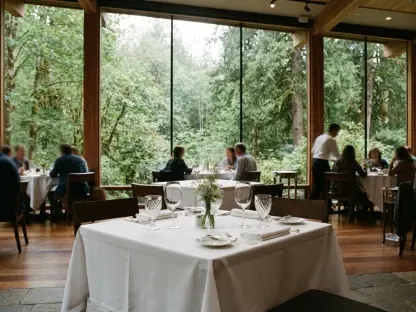
This timing strategy provides immense value to the hospitality industry by stabilizing occupancy rates during periods that would otherwise be underutilized. For the hotel staff, these off-peak guests are often more relaxed and willing to engage with the property’s amenities. They are frequent patrons of on-site fine-dining restaurants and spas, contributing significantly to the hotel’s non-room revenue. Because the property is less crowded, the staff can provide the more personalized, leisurely service that this demographic appreciates. The absence of large tour groups or noisy families during these periods creates the exact environment that the Boomer traveler is looking for, and their presence helps the hotel maintain a high level of service quality and staffing throughout the entire year.
Slow Travel: The Leisurely Pace of Long-Duration Stays
While younger generations are often characterized as “weekend warriors” who squeeze as much activity as possible into a 48-hour window, Boomers tend to favor a “slow travel” philosophy. Their stays are typically longer, often averaging seven to ten days, allowing them to settle into the destination and explore at a more deliberate pace. This extended duration is a telltale sign for housekeeping and concierge teams. When a guest books a room for an entire week, the staff prepares for a different type of relationship. These travelers are not just passing through; they are making the hotel their temporary home. They appreciate consistent housekeeping schedules and often develop a rapport with the staff, remembering names and expressing appreciation for small gestures of hospitality.
From an operational perspective, these long-term guests are highly desirable because they reduce the turnover costs associated with frequent check-ins and check-outs. The concierge team also finds these guests to be the most engaged, as they often seek in-depth recommendations for cultural sites, local history tours, and hidden culinary gems that require more than just a quick visit. By the third or fourth day of the stay, the Boomer guest becomes a familiar face in the lobby or the hotel bar, reinforcing a sense of community that is increasingly rare in the modern travel world. This familiarity fosters the deep brand loyalty that the generation is known for, as they are likely to return to the same property where they felt recognized and valued as a long-term resident rather than a transient visitor.
The Dynamics of Wealth and Family
Inheritance Travel: Orchestrating Multigenerational Gatherings
A growing trend in 2026 is the rise of “inheritance travel,” where Boomers use their accumulated wealth to fund large-scale vacations for their children and grandchildren. Hotel staff can easily identify these patriarchs and matriarchs through the complexity of a group booking. A reservation that includes multiple rooms under a single primary name, featuring a diverse array of requests—such as a crib and high chair in one suite and ADA-compliant features in another—is a classic indicator of a Boomer-led family reunion. These guests are the central coordinators of the trip, acting as the decision-makers for everything from the choice of destination to the daily itinerary. They prioritize the comfort of the entire family and are willing to pay a premium for connecting rooms or suites that facilitate togetherness.
Managing these multigenerational entourages requires a high degree of coordination from the hotel’s events and guest services teams. The staff recognizes that while the younger family members might be the most vocal about the speed of the Wi-Fi or the temperature of the pool, the Boomer guest is the one holding the credit card and assessing the overall value of the experience. These bookings often become annual traditions, providing the hotel with a recurring source of high-value revenue. By identifying the Boomer guest as the primary patron, the staff can ensure that the family leader feels respected and supported in their role as the provider. Successful hotels often provide a dedicated point of contact for these groups, ensuring that the varied needs of three different generations are met with a single, streamlined service experience.
The Final Decision-Maker: Managing the Financial Patriarch
In the final analysis, the Boomer guest is identified not just by their age, but by their role as a significant economic driver within the hospitality ecosystem. They are the ones who prioritize the long-term legacy of family experiences over the short-term thrill of a bargain. Hotel management teams that successfully recognized these patterns over the past several years found that catering to the Boomer demographic required a return to the fundamentals of high-quality service: clear communication, meticulous planning, and professional respect. By identifying these guests through their booking and communication habits, hotels were able to tailor their offerings to meet the specific expectations of a group that values traditional hospitality. These guests were not just visitors; they were the cornerstone of a sustainable business model that balanced digital convenience with human empathy.
To maintain this loyalty in the coming years, hotels shifted their focus toward hyper-personalization and enhanced loyalty benefits that recognized the lifetime value of the Boomer traveler. Managers implemented specialized training for front-desk and valet staff to ensure that the “high-touch” arrival experience was consistently delivered. They also invested in more robust direct-booking platforms that made it easier for long-range planners to secure their preferred accommodations. These actions ensured that the high-value loyalty of the Boomer generation remained intact as the industry moved toward 2027 and 2028. By focusing on the unique habits of this demographic, the hospitality sector was able to provide a roadmap for excellence that benefited all guests, reinforcing the idea that good service is timeless and transcends generational divides.