
The hospitality industry is undergoing a radical shift from standardized hotel rooms toward deeply immersive, narrative-driven experiences that prioritize local culture and architectural history. This transformation signifies the end of the era of the generic lobby, replacing it with environments that function as cultural hubs. Travelers today are no longer satisfied with mere lodging; they demand a sense of place that reflects the specific heartbeat of their surroundings. This shift has allowed independent management firms to rise in a market once dominated by global conglomerates, as these smaller entities possess the agility to curate hyper-local guest experiences that feel authentic rather than manufactured.
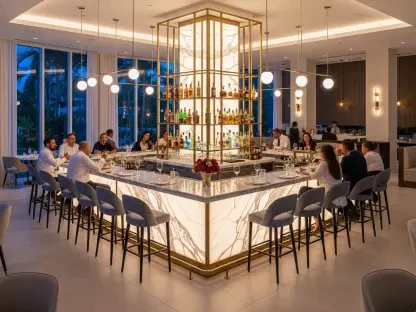
Lifestyle-centric travelers have fundamentally altered the requirements for modern property development and asset management. The transition from standardized lodging to experience-driven boutique environments is driven by a desire for narrative-led design. Every element, from the choice of regional artwork to the integration of local culinary concepts, serves to ground the property in its community. Consequently, management firms must now act as storytellers and curators, ensuring that the property’s identity resonates with the sophisticated expectations of a post-standardization market.
Strategic National Expansion and Market Dynamics
Emerging Trends in Community-Integrated Travel
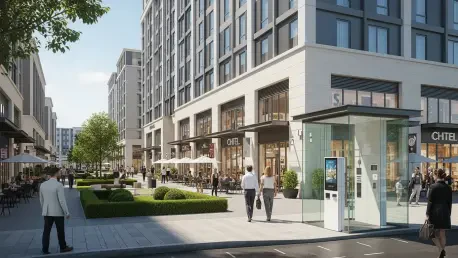
The concept of neighborhood-first development has become a vital strategy for long-term commercial viability in the current travel era. By building hotels that serve both residents and tourists, developers ensure a steady stream of local engagement and genuine social integration. This approach is particularly evident in the growing demand for soft-branded luxury ventures, which combine the operational scale of major corporate partnerships with the unique soul of a boutique property. Such ventures allow for the preservation of a hotel’s unique character while leveraging the distribution power of a global brand.
Historical preservation and adaptive reuse are defining the aesthetic of the new travel era, providing an architectural depth that new builds often struggle to mimic. Transforming historic structures into modern luxury hubs creates a bridge between the past and the present, appealing to travelers who value heritage. Furthermore, collegiate hospitality is emerging as a powerful driver for regional economic growth. By anchoring developments near major universities, firms are creating social hubs that bridge the gap between academic campuses and local districts, fostering a vibrant atmosphere for alumni, families, and locals alike.
Data-Driven Growth and the Charlestowne Pipeline
Strategic rollouts are currently concentrated in high-growth regions like the Mountain West, the Southeast, and the Midwest. With a pipeline of eight major projects slated for completion between 2026 and 2028, the industry is seeing a deliberate move toward regional diversification. Performance indicators suggest that independent properties in high-competition markets often outperform traditional branded hotels by offering more personalized services. Data shows that the luxury and mid-scale segments are particularly ripe for development when they are engineered for long-term cultural relevance.
The regional focus on areas like the Mountain West reflects a broader trend of travelers seeking outdoor-oriented luxury. Projects like the comprehensive overhaul of the Inn at Aspen demonstrate how revitalizing existing assets to meet ultra-luxury standards can capture a significant market share. Similarly, developments in the Southeast, such as new luxury flagships in Charleston, reinforce the importance of strengthening hometown roots while expanding into competitive urban markets. This balanced growth strategy ensures that a portfolio remains resilient across different economic climates and geographic preferences.
Overcoming Obstacles in Complex Property Development
Navigating the intricacies of transforming historic landmarks into modern luxury hubs remains one of the most significant challenges in the industry. For instance, reimagining a site like Milwaukee’s historic University Club requires a delicate balance between maintaining the status of a social hub and integrating modern amenities. Managing the labor and logistical hurdles of such geographic diversification requires a highly specialized operational framework. Developers must be prepared to handle the unique quirks of historic buildings, from outdated infrastructure to strict preservation requirements, while still delivering a premium guest experience.
Moreover, the industry must constantly adapt to fluctuating construction costs and interest rates, which directly impact the feasibility of ambitious projects. Strategies for balancing an independent creative vision with the operational requirements of soft-brand partnerships are essential for success. This requires a nuanced approach to asset management where the creative identity of the property is never sacrificed for the sake of corporate efficiency. Staying agile in a fluctuating economy means that firms must be more selective and deliberate in their development choices than ever before.
The Regulatory and Operational Environment of Future Lodging
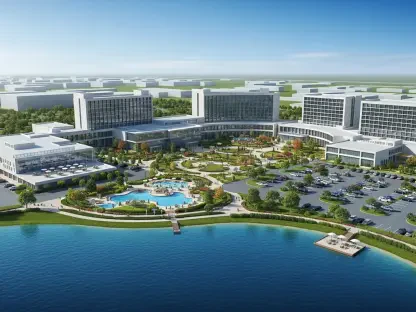
Compliance and preservation standards are non-negotiable for adaptive reuse projects, as seen in the transformation of older landmarks into boutique hotels. Beyond the physical structure, large-scale mixed-use developments must navigate complex zoning and land-use regulations. Projects like Jubilee on Johns Island, which combine wellness-focused hotels with residential and retail spaces, serve as a model for how properties can function as walkable town centers. These developments require a sophisticated understanding of local community needs and regulatory environments to ensure they are welcomed as assets by the local population.
Security and data privacy considerations are also paramount in an increasingly digital-first guest journey. As hotels integrate more technology to streamline operations, protecting guest information becomes a critical operational pillar. Simultaneously, sustainability mandates are influencing the redesign of iconic properties. Modern travelers expect a commitment to environmental responsibility, which means properties must implement energy-efficient systems and sustainable materials without compromising the luxury aesthetic. These regulatory and social expectations are now integrated into the very foundation of property development.
Innovating the Guest Journey Through Tech and Tradition
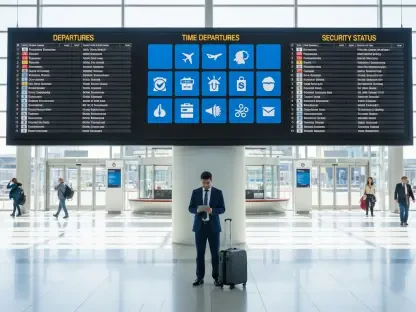
The hospitality sector is currently assessing “staffless” pilot models to determine the future of digital-first operations. Projects like the Livery Guesthouse represent a technology-forward operating model that leverages a digital guest journey to achieve market leadership. This intersection of high-tech efficiency and high-touch service allows small-footprint properties to compete effectively by focusing on strategic positioning and revenue management. This does not replace human service but rather reallocates resources to where they can have the most significant impact on the guest experience.
Anticipating traveler preferences now involves a heavy focus on wellness and curated regional art programs. The integration of short-term rental cottages and walkable commercial spaces is disrupting the traditional hotel stay, offering a more flexible and residential-style experience. Guests are increasingly looking for properties that offer more than just a room; they want a wellness-oriented resort environment that provides a sanctuary from the digital world. By blending high-tech convenience with traditional luxury amenities, the modern hotel provides a multifaceted experience that caters to the diverse needs of today’s travelers.
A New Blueprint for the American Hotel Experience
The deliberate evolution of management models provided a clear roadmap for the broader hospitality industry. Investors and developers who prioritized narrative-led design and community anchoring found themselves better positioned to capture the loyalty of modern travelers. It was recognized that localized, experience-heavy models provided a significant competitive edge over standardized alternatives. The successful integration of technology and tradition proved that operational versatility was the key to navigating a rapidly changing market.
Ultimately, the focus shifted toward creating social anchors that offered more than just a place to sleep. Stakeholders realized that the future of travel belonged to those who could balance independent boutique sensibilities with professional scale. Operational efficiency was achieved not through cost-cutting, but through the strategic use of data and digital-first guest journeys. These findings suggested that the next wave of travel innovation would continue to favor properties that are deeply integrated into their regional landscapes and dedicated to the art of storytelling.