
The modern retail landscape is currently defined by a relentless demand for speed and a deep-seated desire for curated experiences that resonate with the daily lives of busy, digitally-connected families. To address these evolving expectations, Target Corporation has launched a comprehensive multi-year roadmap designed to accelerate its return to sustainable growth, spearheaded by a significant financial commitment starting in 2026. Under the leadership of Chief Executive Officer Michael Fiddelke, the retailer plans to invest an incremental $2 billion specifically to revitalize the store experience and modernize its product assortment. This strategic shift is not merely about increasing inventory but about making intentional choices in key product areas and operational efficiencies to distinguish the brand as a premier destination for style and value. By focusing on the intersection of physical charm and digital convenience, the company aims to solidify its position in an increasingly competitive market where consumer loyalty is earned through consistent innovation and high-quality service.
The financial allocation for 2026 is split into two primary channels to maximize the impact on both the workforce and the physical infrastructure. Target will dedicate $1 billion toward operating investments, which includes increasing store payroll and enhancing employee training programs to ensure that every guest interaction is helpful and efficient. In addition to these operational boosts, the company is raising its total capital expenditure to approximately $5 billion for the current year. This massive funding initiative will support the opening of over 30 new stores across various regions and the full-scale remodeling of 130 existing locations. These renovations represent the most significant floor plan changes the company has seen in a decade, moving away from traditional grid layouts toward more fluid and inspiring shopping environments. By investing heavily in both the people who run the stores and the buildings themselves, the retailer is betting on a holistic improvement that makes the shopping journey more delightful and intuitive for every visitor.
Revitalizing Product Categories and Shopping Experiences
Strategic Overhauls: Home, Beauty, and Baby
Target is set to transform its core merchandise categories to drive deeper consumer engagement through the creation of curated, boutique-style environments within its larger store footprint. The Home category will serve as a primary focus for this transformation, featuring a major refresh of the flagship Threshold brand to align with contemporary design trends. To complement this product update, the retailer is introducing specialized shop-in-shops in 200 locations, which will emphasize seasonal aesthetics and trending décor to provide a more personalized feel. This move away from mass-market presentation toward a curated boutique experience allows the brand to compete more effectively with specialty home retailers. By offering high-design items at accessible price points, the company ensures that it remains the first choice for families looking to update their living spaces without the premium cost associated with luxury interior design firms or high-end furniture boutiques.
In the Beauty and Baby sectors, the retailer is positioning itself as an industry authority by pairing premium brand offerings with specialty-level service and expertise. The pilot of the Target Beauty Studio marks a significant shift in how personal care is sold, providing an immersive program where shoppers can receive expert advice alongside a selection of emerging and prestige brands. Simultaneously, the Baby category is transitioning toward a high-end boutique model that features lucrative partnerships with luxury brands such as UPPAbaby, Bugaboo, and Doona. These collaborations, combined with an expansion of the owned-brand Cloud Island, are designed to build long-term loyalty with new parents who seek both quality and style. By integrating these high-performance brands into the store’s ecosystem, the retailer creates a one-stop-shop for parents who would otherwise have to visit multiple specialty stores to find the same level of premium equipment and apparel for their children.
Innovation: Essentials, Fashion, and Culture
The grocery department is undergoing a significant transformation aimed at capturing a larger share of the weekly household budget through increased variety and a focus on health-conscious options. Target has committed to a 50% increase in “newness” across its food and beverage offerings, including a market-leading initiative to offer cereal assortments that are entirely free of certified synthetic colors. This shift directly addresses the growing consumer demand for cleaner labels and more transparent ingredient lists, especially among health-conscious parents. Furthermore, the Health and Wellness section is slated for a 20% expansion in vitamins and nutrition products by the middle of 2026. This expansion includes thousands of new items and exclusive products that cater to specific dietary needs and fitness goals. By prioritizing wellness and fresh food, the company is evolving its grocery footprint from a convenience-based side offering into a primary destination for the modern, health-oriented shopper.
To keep pace with the rapid fluctuations of modern fashion trends, the company is utilizing advanced trend-tracking technology to bring women’s apparel to market faster than ever before. This technological edge allows the in-house design team to maximize their capabilities, focusing on denim and everyday essentials while supplementing the core line with frequent high-profile designer partnerships. Beyond apparel, the Fan Central concept is being reimagined to capitalize on the cultural power of sports, pop culture, and the booming market for trading cards and collectibles. These elevated in-store presentations are designed to serve enthusiast communities by creating a hub for fandom within the retail environment. By blending high-speed fashion cycles with a focus on enthusiast culture, the retailer remains culturally relevant and highly responsive to the interests of its diverse customer base. This multifaceted approach ensures that the shopping experience feels current, exciting, and deeply connected to the broader world.
Enhancing Digital Integration and Logistics
Logistics: Fulfillment Advancements
To maintain its competitive edge in the realm of convenience, the retailer is heavily investing in its digital ecosystem and the speed of its fulfillment services. Currently, same-day services such as Drive Up and Order Pickup account for approximately two-thirds of all digital sales, highlighting a clear consumer preference for immediate gratification. To build on this momentum, the company plans to expand its next-day “brown box” delivery service to 20 additional metropolitan areas by the end of the spring season. This expansion is supported by a more sophisticated logistics network that optimizes the flow of goods from sorting centers directly to neighborhood doorsteps. By shortening the time between a customer clicking “buy” and the package arriving at their home, the company is effectively closing the gap between the speed of digital commerce and the immediate nature of physical shopping, ensuring that busy families can rely on them for urgent needs.
Beyond simple delivery speed, the refinement of the logistics network involves a strategic overhaul of how inventory is managed across the entire supply chain to prevent out-of-stock scenarios. The current strategy focuses on using local stores as fulfillment hubs, which significantly reduces shipping costs and environmental impact while speeding up the transit process. This dual-purpose role for physical stores ensures that the inventory is always close to the end-user, whether they are shopping in person or ordering through a mobile app. By optimizing these “last-mile” logistics, the retailer can offer a more reliable and efficient service that caters to the high standards of today’s tech-savvy shoppers. This investment in back-end infrastructure is a critical component of the broader growth plan, as it provides the necessary foundation to support increased digital volume without sacrificing the quality of the guest experience or the profitability of the online channel.
AI: Personalization and Loyalty Growth
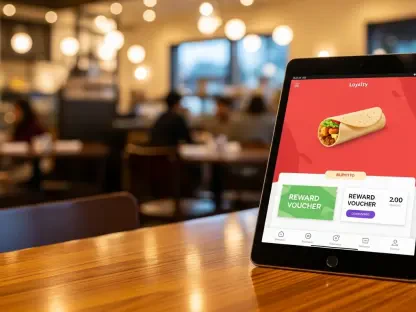
Technology and Artificial Intelligence are playing a pivotal role in the new growth strategy, specifically through the evolution of the Target Circle loyalty program into a more personalized and rewarding ecosystem. The company is aggressively scaling its Target Circle 360 paid membership, which offers enhanced benefits such as free delivery and exclusive access to certain product launches. By leveraging AI to analyze shopping patterns and preferences, the retailer can provide highly customized offers and recommendations that feel relevant to each individual user. This level of personalization is designed to deepen consumer engagement and increase the frequency of visits, both online and in stores. Instead of generic promotions, shoppers now receive curated deals that align with their specific lifestyle, whether they are frequent buyers of organic groceries or enthusiasts of the latest tech gadgets, creating a more meaningful connection.
In addition to consumer-facing technology, the company is focusing on growing its retail media network, Roundel, and its third-party marketplace, Target Plus, to create a more robust and profitable digital environment. Roundel allows brand partners to reach shoppers with targeted advertising based on real-time data, while Target Plus expands the available assortment by allowing vetted third-party sellers to offer their products on the main website. These initiatives not only generate new revenue streams but also enhance the overall shopping experience by providing a wider variety of goods and more relevant discovery tools. These advancements are designed to create a digital ecosystem that uses data to move faster and react more precisely to market shifts. By integrating AI and sophisticated data analytics into every facet of the business, the retailer is ensuring that its digital transformation is not just about moving sales online, but about creating a smarter and more responsive retail model.
Future Strategic Direction and Implementation
Building on the current investments, the path forward involves a strict adherence to maintaining merchandising authority while simultaneously harmonizing the physical and digital shopping journeys. The strategy is built on the realization that consumers no longer distinguish between “online shopping” and “in-store shopping,” but rather see them as a single, continuous interaction with a brand. Therefore, the next steps for the company include a relentless focus on technological acceleration to ensure that the data captured in one channel informs the service provided in another. This approach requires a workforce that is not only well-trained in guest service but also proficient in using new digital tools to assist shoppers on the floor. By fostering a culture of career growth and continuous learning, the company aims to build a team that is equipped to handle the complexities of a modern retail environment, where the human touch remains a vital component of brand loyalty and community health.
Looking toward the coming years, the focus will shift toward scaling these successful pilots and expanding the physical footprint into underserved markets to capture new demographics. The goal of adding 300 locations by 2035 is a testament to the belief that physical stores remain the heart of the retail experience, provided they are designed to be “delightful, inspiring, and easy.” Retailers must recognize that sustainable growth is achieved by providing a style-driven experience that justifies the capital expenditure through higher guest retention and increased basket size. As the 2026 initiatives take full effect, the company should continue to monitor consumer sentiment regarding its premium partnerships and AI-driven personalization to ensure these features add genuine value. The ultimate success of this strategy will depend on the ability to remain agile, using the newly established technological and logistical foundations to pivot as consumer behaviors continue to evolve in a post-digital world.