
In the highly competitive and often unforgiving landscape of luxury hospitality, the transformation of an underperforming asset into a market leader is a monumental challenge that requires more than just a fresh coat of paint and a new name. The comprehensive strategic repositioning of the Cameo Beverly Hills, a venture led by owner Braemar Hotels & Resorts and operator Remington Hospitality, serves as a quintessential case study in modern value creation. This initiative was not merely a renovation or rebranding but a fundamental “reset” for a property that had struggled to find its footing. By transitioning the hotel into the LXR Hotels & Resorts portfolio, Hilton’s curated collection of independent luxury properties, the stakeholders orchestrated a multi-pronged strategy. This approach hinged on a powerful brand affiliation, a revitalized physical and experiential offering, and a synergistic partnership designed to unlock substantial long-term value and set a new standard for asset revitalization in one of the world’s most demanding markets.
The Power of Strategic Affiliation and Positioning
A critical element of the hotel’s revival is its integration into the LXR collection, a “soft-brand” affiliation that offers the best of both worlds by allowing the property to maintain its unique identity while tapping into a global powerhouse. This strategic alignment instantly connected the Cameo to Hilton’s formidable infrastructure, including its vast distribution network, the immensely successful Hilton Honors loyalty program, and a dedicated demand channel specifically tailored to the discerning luxury consumer. For Braemar Hotels & Resorts, a publicly-listed Real Estate Investment Trust (REIT), the financial imperative was clear: to generate the best possible returns for shareholders from an asset that had previously struggled. The LXR connection was seen as a primary driver for achieving this, promising to significantly increase demand and elevate the hotel’s Average Daily Rate (ADR). This move effectively de-risked the independent property by embedding it within a trusted global system, providing a level of market access and brand recognition that would have been impossible to achieve on its own.
Beyond the immediate benefits of brand association, the LXR affiliation enabled the Cameo Beverly Hills to carve out a distinct and highly advantageous niche within the saturated local market. Remington Hospitality’s leadership recognized that Beverly Hills was relatively underserved by Hilton’s luxury portfolio, creating a clear opportunity. The repositioning strategically placed the Cameo just below the market’s top-tier, iconic properties like the Waldorf Astoria Beverly Hills and the Beverly Hilton. This allows the hotel to function as a “great alternative,” capturing a significant segment of travelers who seek a luxury Hilton experience but at a more accessible price point or in a more intimate, boutique setting. The hotel can effectively “draft off” the immense demand generated by these established icons, benefiting from their market presence while offering a differentiated product. This clever positioning avoids direct competition with the market’s most expensive hotels and instead establishes the Cameo as a smart, sophisticated choice for a specific subset of the luxury travel market.
Crafting a Unique Guest Experience
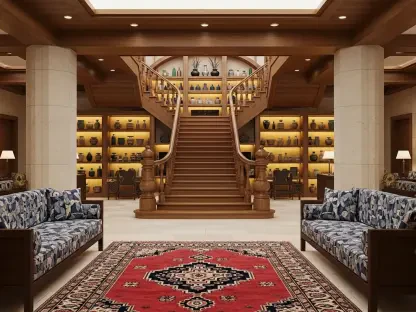
The comprehensive renovation of the Cameo was intentionally designed to evoke a warm, residential, and authentically Beverly Hills atmosphere, setting it apart from more corporate or ostentatious competitors. Capitalizing on its location within a residential neighborhood, the design philosophy aimed to create a “hidden gem” quality that is welcoming and not overly pretentious. The lobby and public spaces were reimagined with cozy seating and a warm ambiance, encouraging guests to treat the areas as an extension of their own living rooms, fostering a sense of comfort and belonging. This approach allows visitors to feel as though they are experiencing the city like a local rather than a tourist. This sensibility is further enhanced by the property’s 138 guestrooms and suites, all of which feature private balconies, reinforcing the intimate and exclusive feel that is central to the hotel’s repositioned identity and brand promise. The goal was to build a physical environment that supported a unique and compelling guest journey from the moment of arrival.
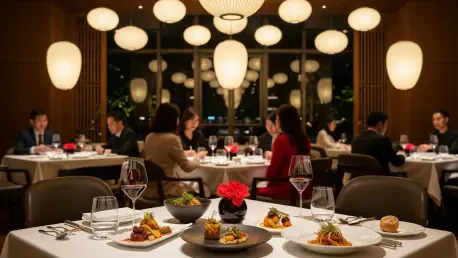
A cornerstone of the hotel’s new identity is a radically transformed food-and-beverage program, anchored by Zampo, a Peruvian-Japanese fusion restaurant. This was identified as one of the most significant changes, deliberately crafted to establish the hotel as a culinary destination in its own right. The concept was chosen for its relative novelty in the Beverly Hills and greater Los Angeles areas, making it a unique draw that could attract significant traffic from both hotel guests and local patrons. By creating a compelling dining experience that stands on its own merits, the hotel drives revenue and builds a local following, which in turn enhances the property’s overall energy and appeal. This strategic move transforms the restaurant from a simple hotel amenity into a vibrant, standalone business that contributes significantly to the asset’s brand and financial performance, differentiating it in a market where unique experiences are paramount.
A Foundation for Future Growth
The repositioning of the Cameo Beverly Hills carried significant strategic weight that extended far beyond the success of a single asset; it was a foundational model for future growth and a definitive statement of confidence. For Braemar, the Cameo served as a crucial strategic experiment. The company’s portfolio included a mix of franchised and independent luxury properties, some of which could be candidates for a similar soft-brand conversion. The project was identified as a “great test case” to evaluate the effectiveness and financial productivity of the LXR partnership structure. A successful outcome paved the way for this model to be replicated across other assets in their portfolio, potentially leading to a much broader and deeper partnership with Hilton and a new approach to maximizing the value of their independent hotels.
For Remington Hospitality, the project represented a strategic win in a key gateway market, serving as a powerful “résumé builder” for its luxury aspirations. Successfully launching and ramping up performance at a high-profile luxury hotel in Beverly Hills significantly strengthened Remington’s credibility and reputation as a top-tier operator in the demanding high-end segment. By executing well—managing expenses, driving revenue, and meeting the high expectations of luxury travelers—the Cameo became a powerful case study to attract other luxury hotel owners. As the luxury segment continued to grow, each success story became a vital tool for business development, bringing more opportunities to the table and fueling the expansion of the company’s luxury footprint. This initiative demonstrated a deliberate synergy of asset reinvention, strategic brand alignment, and disciplined operational management.