
The hospitality industry in the Caribbean is currently facing a pivotal moment where traditional luxury is no longer sufficient to maintain a competitive edge against smaller, more agile boutique destinations. This pressure has forced major properties to reconsider their identity, moving away from the standardized “one-size-fits-all” model that dominated the previous decade. The Wyndham Grand Rio Mar Puerto Rico Golf & Beach Resort recently addressed this challenge through a massive $70 million “rebirth” project, which serves as a strategic blueprint for asset revitalization. Orchestrated by the owner-operator LionGrove in a close partnership with Wyndham Hotels & Resorts, the transformation effectively repositioned a 500-acre legacy property into a multifaceted destination hub. By integrating the unique geographic advantages of the Atlantic coastline and the El Yunque National Rainforest, the resort has transcended its former status as a conventional hotel to become a specialized environment catering to modern, experience-driven travelers. This revitalization underscores the necessity of bold investment in the region.
Engineering Specialized Guest Environments: A Strategic Approach
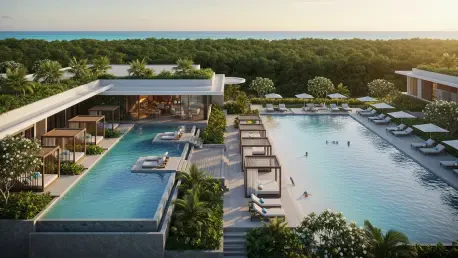
One of the most significant architectural and operational changes involved the complete demolition and reconstruction of the property’s aquatic facilities to better serve hyper-segmented guest demographics. In the past, the resort featured four pools that essentially performed identical functions, leading to a crowded and often disorganized guest experience where quiet-seeking couples were mixed with active families. To resolve this, the engineering team designed an Adults-Only Sanctuary that functions as a secluded retreat, offering high-end amenities such as private cabanas and dedicated butler service. This specific zone was crafted to appeal directly to the luxury couples’ market, providing a “chill-out” atmosphere that is physically and sonically separated from the rest of the resort. By creating this sanctuary, the property ensures that it can capture high-value bookings from travelers who prioritize tranquility and personalized attention above all else, thereby increasing the resort’s overall yield.
Complementing the quiet zones is the new Family Activity Complex, which reimagines how a large-scale resort handles multi-generational travel requirements. The center of this complex is a zero-entry beach-style pool that significantly improves safety and accessibility for toddlers, while also providing high-energy features like water slides and a splash zone for older children. To manage the noise levels that typically accompany such areas, the resort introduced an innovative “outdoor cinema” concept that utilizes high-quality wireless headphones for nighttime entertainment on the lawn. This technological solution allows families to enjoy cinematic experiences in a communal setting without the audio spillover affecting guests in nearby rooms or disrupting the natural sounds of the neighboring rainforest. Such thoughtful programming demonstrates a deep understanding of modern travel dynamics, where the goal is to provide diverse experiences simultaneously within the same property footprint without compromising the quality of stay for any group.
Cultivating Nightlife: Cultural Authenticity and Social Hubs
Addressing the long-standing criticism that large Caribbean resorts often lack a genuine connection to local culture, the strategic rebirth introduced major social anchors designed to break the “tourist bubble” model. The Caicu Bar and Lounge was transformed into the resort’s cultural heart, specifically programmed to feature live performances by local musicians and offer a menu rooted in regional flavors. This venue serves as a social engine that encourages guests to engage with the vibrant spirit of Puerto Rico without needing to leave the property. Furthermore, the introduction of The Vault Speakeasy within the renovated casino provides a sophisticated, hidden venue for cabaret-style performances. By hosting local singers and dancers in an intimate setting, the resort has successfully created a nightlife destination that attracts both international visitors and residents from the surrounding community. This integration fosters a sense of authenticity that is often missing from major hotel chains.
This shift toward cultural immersion reflects a broader evolution in the branding philosophy of Wyndham Hotels & Resorts, moving away from the “generic luxury” that once defined global hospitality. The industry has reached a point where travelers expect more than just brand consistency; they seek a sense of place that informs every aspect of their stay. Under the new strategic direction, brand standards have been adjusted to prioritize local food sourcing, regional art installations, and authentic community connections. This “loosening of the reins” allows the Rio Mar property to maintain the operational reliability of a global flag while delivering the soulful, localized experience typically associated with boutique hotels. Government officials and local stakeholders have noted that the resort now functions as a true reflection of Puerto Rican identity, which has become a critical differentiator in a crowded and competitive market. This strategy not only enhances the guest experience but also strengthens the resort’s standing.
Environmental Stewardship: Educational Immersion and Conservation
Environmental stewardship has been elevated from a peripheral corporate social responsibility initiative to a core component of the resort’s guest programming. Rather than offering a traditional, indoor-focused kids club, the property established the Explorers Club, which is managed by a full-time local scientist. This program utilizes the surrounding mangroves, ocean, and rainforest as a massive living classroom where guests of all ages can engage in scientific discovery. Equipped with telescopes for stargazing, microscopes for analyzing local flora, and kayaks for exploring the coastline, the club turns the natural environment into an educational playground. This approach aligns perfectly with the rising trend of “stewardship-driven travel,” where modern tourists actively seek opportunities to learn about and contribute to the ecosystems they visit. By providing these immersive educational experiences, the resort adds a layer of intellectual value to the vacation, ensuring that guests leave with a deeper appreciation for the region.
The commitment to the local ecosystem is further exemplified by the resort’s active sea turtle conservation program, which has become one of its most celebrated signature experiences. Through coordination with local environmental agencies, the property manages a dedicated nest monitoring system and facilitates controlled hatchling releases during the appropriate seasons. This initiative transforms a critical biological necessity into a powerful emotional connection for guests, who are often invited to witness and participate in the conservation efforts. Such programs demonstrate how a large-scale resort can operate in harmony with its environment rather than merely occupying space on the beach. By centering the guest experience on the protection of local wildlife, the Wyndham Grand Rio Mar differentiates itself from conventional competitors that may offer luxury but lack a meaningful connection to the land. This focus on sustainability is not just about environmental protection; it is a strategic move to build long-term loyalty.
Economic Impact: Regional Benchmarking and Financial Health
From a commercial perspective, the $70 million investment is already delivering substantial returns, with the property’s current performance exceeding the initial financial projections set during the planning phase. This success highlights the effectiveness of a collaborative model that combines private equity discipline with in-house management and localized design principles. By moving beyond simple cosmetic upgrades and investing in structural and programmatic changes, LionGrove has demonstrated that aging assets can be revitalized to meet the highest contemporary standards of the luxury market. The financial health of the resort serves as a powerful validation of the “repositioning” strategy, suggesting that there is a significant appetite for products that offer a blend of high-end amenities and authentic cultural depth. The resort’s ability to maintain high occupancy rates and premium pricing in a post-renovation environment provides a clear signal to the rest of the industry that bold, well-executed reinvestment pays.
The Wyndham Grand Rio Mar now serves as a definitive benchmark for how other large-scale properties across the Caribbean can navigate the challenges of modernization. The project provides a replicable template for transforming a “one-size-fits-all” hospitality model into a specialized, multifaceted destination that respects its cultural and environmental context. Industry analysts view the rebirth as a turning point for the region, where the focus is shifting from simple room counts to the quality and diversity of the guest experience. By successfully balancing the demands of global distribution with the nuances of local identity, the resort has secured its position as a flagship for Wyndham’s expansion in Latin America. The collaboration between a global brand and a focused owner-operator has created a resilient asset that is well-positioned to lead the market for years to come. This regional benchmarking is essential for the continued evolution of Caribbean tourism, ensuring that the destination remains relevant and attractive to a global audience.
The strategic overhaul of the Wyndham Grand Rio Mar provided a compelling vision for the future of the hospitality industry by prioritizing intentional design and deep cultural integration. Investors and developers looked to this project as a successful case study in how to leverage the immense scale of a legacy asset while maintaining the agility and soul of a boutique operation. The decision to move away from generic branding and embrace the specific ecological and social nuances of Puerto Rico established a new standard for luxury resorts in the Caribbean basin. Stakeholders recognized that the success of such a massive reinvestment depended on a willingness to dismantle outdated operational models in favor of hyper-segmented guest experiences. By turning environmental stewardship into a core value and cultural authenticity into a primary attraction, the resort effectively mitigated the risks of asset obsolescence. Moving forward, the industry adopted these principles to ensure that large-scale destinations remained both financially robust and deeply respectful.