
The Future Fund Oman has been allocated OMR 2 billion for the period of 2026 to 2028 to bankroll innovative projects and stimulate private-sector growth. This massive injection of capital signals a decisive shift in the Sultanate’s economic trajectory as it maneuvers away from a historical reliance

Coordinating Minister Airlangga Hartarto has highlighted the necessity of moving beyond natural scenery to a diversified approach that leverages sports and entertainment for economic growth. This strategic pivot marks a major evolution in how the archipelago positions itself on the global stage,

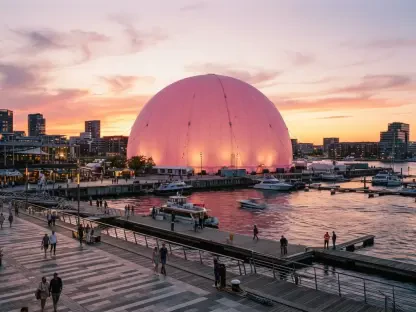
Disney Cruise Line is scheduled to return to the island in 2027 with the Disney Wish, operating five specialized voyages from New York to Bermuda. This announcement signifies a major step in the island's broader structural transformation designed to elevate its status as a premier destination for

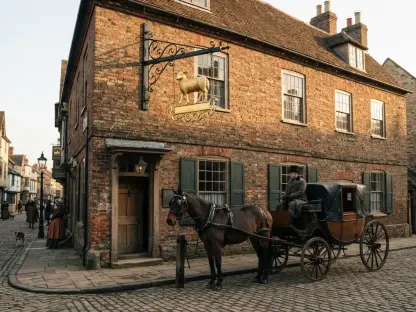
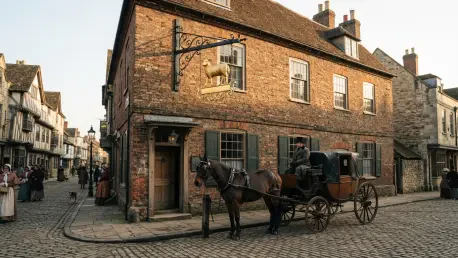
The unique visual contrast of massive modern container ships passing 19th-century architecture highlights Savannah's dual identity as a working port and a preserved historic site. This city, often celebrated for its hanging Spanish moss and cobblestone streets, represents a fascinating case study

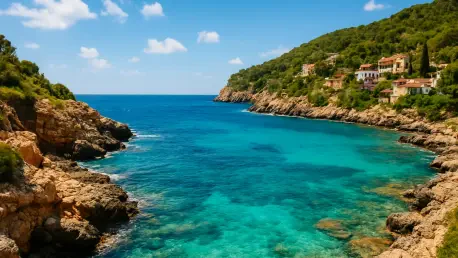
The silhouette of the Turkish coastline is undergoing a metamorphosis that replaces the familiar neon glow of budget resorts with the understated elegance of private cloisters and Michelin-starred dining rooms. This structural evolution represents a calculated departure from the high-volume models
The transition from the Mediterranean coast to the Anatolian interior is marked by the apple orchards surrounding Lake Eğirdir, the fourth-largest lake in the country. This region serves as a gateway to a broader philosophy known as slow travel, which prioritizes meaningful interaction over the
1 2 3 4 5 6 7 8 9 10 11 12 13 14 15 16 17 18 19 20 21 22 23 24 25 26 27 28 29 30 31 32 33 34 35 36 37 38 39 40 41 42 43 44 45 46 47