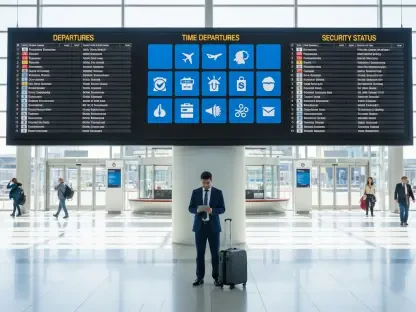
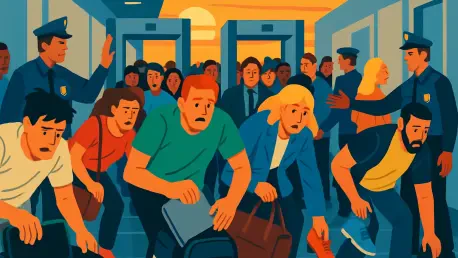
Imagine stepping into an airport, already dreading the long lines and cramped seats, only to be greeted by a glossy campaign poster urging you to dress up and act like you’re living in the golden age of travel. This is the reality for many travelers today as the U.S. Department of Transportation

Across Asia a surge of headline attractions has put a fresh question on the table: will 2026 finally shift global travel away from checklist sightseeing and toward immersive, story-led journeys that keep visitors engaged longer and moving across borders. Industry leads, academics, and on-the-ground
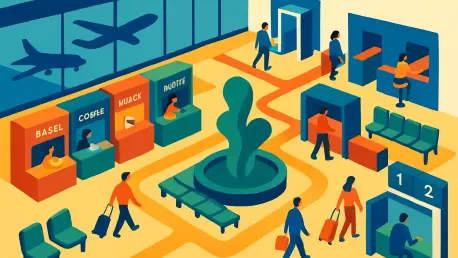
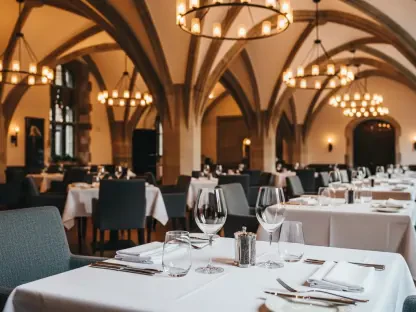
Travelers who sprinted past food courts now linger for craft coffee, chef-led bites, and local stories stitched into concourses, and that shift set the stage for a high-stakes dining refresh at JetBlue’s Terminal 5. Commentators across aviation retail agreed that T5 needed a program that reads New

In this conversation, William Ainslie sits down with Katarina Railko, a hospitality and aviation infrastructure specialist whose career has bridged airline-led hub development, airport experience design, and the business of large-scale events and conferences. Drawing on her work with hub carriers,

Travelers increasingly expected a journey that behaved like a single, continuously updated service rather than a string of disconnected bookings, and this week’s moves showed suppliers responding in concert across flights, lodging, activities, and ground transport. The most striking thread tied
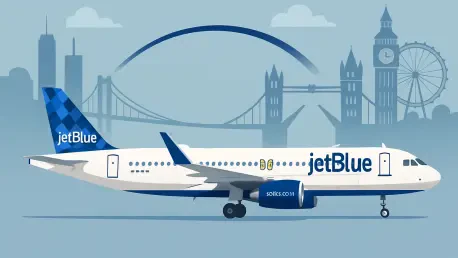
In the competitive arena of transatlantic travel, a striking statistic emerges: low-cost carriers have captured nearly 15% of the market share on leisure routes between the U.S. and Europe over the past few years, a figure that continues to climb. This trend underscores a seismic shift in how