

InterContinental Hotels Group reported a striking six point nine percent increase in revenue per available room across its American portfolio during the third quarter of 2026. This financial milestone reflects a broader hospitality landscape that has fundamentally shifted away from the stagnant

Contactless check-in and digital ID verification are becoming standard expectations for guests who prefer a seamless and secure arrival experience. The hospitality landscape has undergone a radical transformation as the industry navigates the current year, making artificial intelligence a

Choosing a destination within a manageable drive or train ride ensures that the majority of a guest's time is spent on relaxation rather than on the logistics of transit. This philosophy underpins the burgeoning "trip snacking" movement, where travelers forgo the exhaustive planning of weeks-long

Fine-tuning allowed DistilBERT to adapt its linguistic filters to recognize specific markers of deception, such as the overuse of first-person pronouns and lack of spatial detail. This technical breakthrough comes at a time when the digital economy is more reliant on crowdsourced reviews than ever

The upcoming year marks a departure from social-media-driven itineraries as vacationers begin deleting posts that appear too ordinary or predictable to their digital circles. Travelers are no longer satisfied with the highly curated, aesthetic-heavy journeys that defined the previous decade;
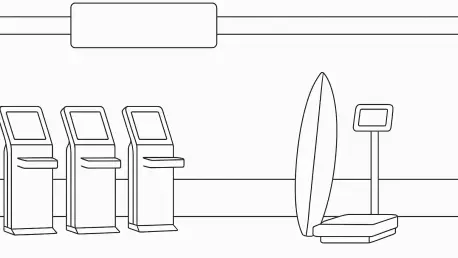
The primary focus of the terminal upgrade is the deployment of technology that speeds up the check-in process while maintaining high standards of service. This initiative marks a pivotal milestone in a larger modernization project intended to transform how thousands of travelers navigate the
1 2 3 4 5 6 7 8 9 10 11 12 13 14 15 16 17 18 19 20 21 22 23 24 25 26 27 28 29 30 31 32 33 34 35 36 37 38 39 40 41 42 43 44 45 46 47 48 49 50 51 52 53 54 55 56 57 58 59 60