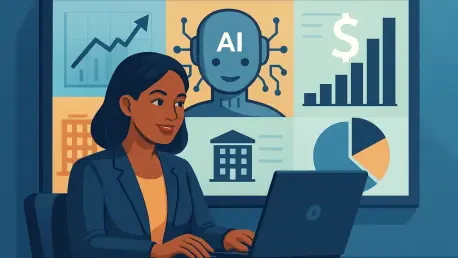

Imagine a hotel revenue manager staring at a screen filled with fluctuating numbers, grappling with the pressure of setting the perfect room rate while demand swings unpredictably and competitors lurk just a click away. It’s a high-stakes game, and the margin for error is razor-thin. Enter generative artificial intelligence (gen AI), a transformative technology that’s stepping into the hospitality arena as a game-changer. Acting as a digital co-pilot, this cutting-edge tool is empowering managers to navigate the chaos with precision, automating mundane tasks, and unlocking hidden opportunities. From adjusting rates in real time to crafting personalized guest offers, AI is not just a helper—it’s redefining how hotels boost profits and carve out a competitive edge. As the industry stands at a technological crossroads, the integration of AI promises to reshape revenue management, blending data-driven insights with human expertise to tackle modern challenges head-on.
Unleashing Efficiency through Automation
In the demanding world of hotel revenue management, time is often swallowed by repetitive tasks that yield little financial return. A study by ZS and HSMAI reveals that over half of a manager’s day can be consumed by non-revenue-generating activities like manual data entry or updating forecasts. Gen AI emerges as a relentless assistant, taking on these burdens with ease. It automates data collection, refreshes forecasts, and adjusts pricing at a pace no human could match. This shift allows managers to redirect their focus toward high-level strategy, pondering market trends rather than drowning in spreadsheets. The contrast with older, slower methods—still widespread in hospitality compared to the airline sector’s automated systems—is stark. AI’s ability to analyze and act in real time means hotels can respond to sudden market shifts instantly, securing a vital advantage over competitors stuck in manual processes. Efficiency isn’t just a perk; it’s a lifeline in an industry where every minute counts.
Moreover, the impact of this automation extends beyond mere time-saving. When routine tasks are handled by AI, the risk of human error diminishes significantly, ensuring more accurate pricing decisions and forecasts. Consider the implications for a mid-sized hotel chain facing seasonal demand spikes—AI can churn through historical data, local event schedules, and even weather patterns to predict occupancy with precision. This isn’t about replacing the revenue manager but equipping them with a tool that amplifies their capabilities. The result is a smoother operation where decisions are grounded in robust data rather than gut feelings or outdated reports. Additionally, the agility provided by real-time updates means hotels can seize fleeting opportunities, like a last-minute surge in bookings, without hesitation. As AI streamlines these processes, it lays the foundation for a more proactive approach, setting the stage for deeper strategic innovations that go beyond the day-to-day grind.
Crafting Personalization for a Competitive Boost
Turning from efficiency to guest experience, gen AI offers hotels a remarkable edge through personalized strategies that resonate with individual travelers. By sifting through vast troves of data—ranging from competitor pricing to guest demographics and even social media buzz—this technology pinpoints what guests value most. Tailored offers, such as a family movie night package or an early check-in option for a weary business traveler, become not just possible but seamless. These customized touches don’t just delight guests; they drive higher revenue by meeting specific needs. Unlike blanket pricing models of the past, AI’s knack for detail ensures that every interaction feels unique, fostering loyalty in a crowded market where differentiation is key. This level of personalization positions hotels to stand out, turning casual visitors into repeat customers with memorable experiences.
Beyond individual offers, AI’s predictive analytics elevate competitive strategies to new heights. It anticipates demand fluctuations with startling accuracy, helping hotels adjust their distribution mix between online travel agencies and direct bookings for maximum profitability. Imagine a bustling city hotel during a major conference—AI can forecast the spike in business travelers and tweak pricing or channel focus to capture the most value. This isn’t guesswork; it’s a calculated move based on layered insights no manual analysis could replicate. Furthermore, by understanding broader market dynamics, such as competitor rate drops or local events, hotels can position themselves proactively rather than reactively. The synergy of personalization and predictive power creates a dual advantage: delighted guests who feel seen and a revenue stream fine-tuned to market realities. It’s a compelling step forward in an industry often criticized for one-size-fits-all approaches.
Pioneering New Revenue Horizons
AI’s influence doesn’t stop at optimizing what already exists; it sparks innovation by opening entirely new revenue streams for hotels willing to think creatively. Dynamic package pricing, driven by gen AI, bundles extras like room upgrades, spa treatments, or curated local experiences based on a guest’s unique preferences. This isn’t just upselling—it’s reimagining the guest journey as a personalized adventure that adds value for both parties. Additionally, AI can revitalize underutilized spaces, identifying opportunities to transform empty conference rooms into coworking hubs or event venues during off-peak times. Such ingenuity turns dead weight into profit centers, offering a fresh lens on resource use. Hotels that embrace these ideas don’t just keep up; they redefine the business model, tapping into markets and revenue paths that traditional strategies might overlook entirely.
Expanding on this, AI also fuels innovation through tailored loyalty programs that keep guests coming back. By analyzing past stays, spending habits, and feedback, the technology designs rewards that genuinely appeal to specific demographics—think exclusive dining credits for foodie travelers or family discounts for vacationers. This level of customization strengthens emotional ties to the brand, a crucial factor in long-term revenue growth. Moreover, gen AI’s insights into space optimization can inspire seasonal or thematic offerings, like turning a rooftop into a pop-up winter lounge during colder months. These moves aren’t just about filling rooms; they’re about crafting a broader, more dynamic revenue ecosystem. As hotels navigate an ever-shifting landscape, AI acts as a catalyst for bold ideas, encouraging leaders to experiment with concepts that push beyond conventional boundaries and secure a sustainable financial future.
Balancing Technology with Human Insight
Despite the undeniable strengths of AI, the heart of hotel revenue management still beats with human judgment, a truth that remains unshakable. Gen AI excels at processing data and spotting patterns, but when faced with complex or unforeseen challenges—say, a sudden crisis affecting travel—human intuition often proves superior. A study from the International Journal of Hospitality Management notes that managers outperformed AI by 12 percent in such nuanced scenarios, underscoring the limits of algorithms alone. The real magic lies in partnership, where AI handles the heavy lifting of analytics while humans bring creativity, empathy, and strategic foresight to the table. Gartner predicts that organizations blending this human-AI synergy could see a 25 percent improvement in efficiency and guest satisfaction in the coming years. It’s a collaboration that ensures technology enhances, rather than overshadows, the personal touch that defines hospitality.
Delving deeper, this partnership reshapes the role of revenue managers into that of strategic visionaries. Freed from repetitive tasks, they can focus on interpreting AI-generated insights, negotiating key partnerships, and steering long-term goals with a clarity that machines can’t replicate. Picture a manager using AI’s forecast of a slow quarter not just to cut rates, but to craft a unique marketing campaign targeting niche audiences—an area where human ingenuity shines. This evolution isn’t about replacement; it’s about elevation, allowing professionals to tackle bigger questions of brand positioning and guest connection. Challenges like integrating AI with legacy systems or managing team resistance do exist, but with careful training and phased adoption, they’re surmountable. The balance of tech and touch ensures hotels don’t lose their soul in the pursuit of profit, crafting a future where data and heart work hand in hand to navigate uncertainty.
Reflecting on a Transformative Journey
Looking back, the integration of generative AI into hotel revenue management marked a pivotal shift, blending raw analytical power with the irreplaceable nuances of human expertise. It tackled inefficiencies head-on, personalized guest experiences with precision, and unearthed innovative revenue streams that redefined industry norms. The partnership between technology and intuition proved not just viable but essential, delivering results that neither could achieve alone. Financial gains, backed by studies showing significant uplifts, alongside enhanced guest satisfaction, painted a picture of an industry reborn through thoughtful adoption. For hotel leaders who embraced this change, the rewards were clear: a sharper competitive edge and a renewed focus on strategic growth. Moving forward, the challenge lies in continuing to refine this balance, ensuring AI evolves as a supportive tool while human creativity remains the guiding light in crafting memorable hospitality experiences.