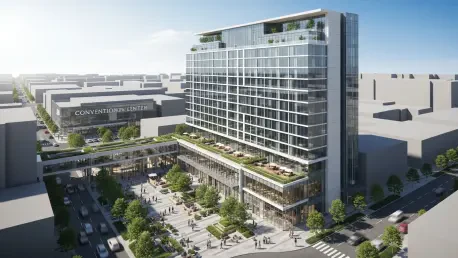

The rapid evolution of Boston’s Seaport District into a premier global destination for commerce and tourism reached a major milestone this week as city officials sanctioned the final phase of a massive hospitality expansion. The Boston Zoning Commission officially granted its approval for the construction of a modern 438-room hotel situated on Anchor Street, marking the culmination of a strategic development plan that has been in motion for several years. This ambitious project is spearheaded by DGH Hotel Partners JV, LLC, a high-profile collaboration between Global Hospitality Investment Group and an international investment management firm. Positioned directly across from the Thomas M. Menino Convention and Exhibition Center, the new development sits on land leased from the Massachusetts Convention Center Authority. This latest addition is designed to seamlessly integrate into a broader 968-key hospitality and retail campus, effectively complementing the established Aloft and Element hotels that already serve the area’s high volume of business travelers and convention attendees.
Building upon this foundation, the project represents a significant shift toward high-density urban planning that prioritizes both functional capacity and neighborhood connectivity within the district. The approval process involved a rigorous review by the Boston Planning Department, which ultimately issued a unanimous vote in favor of the development after evaluating its alignment with long-term civic goals. By securing this green light, the developers have successfully navigated a complex decade-long planning cycle that originated in 2016 and has evolved to meet the sophisticated demands of the current market. Local labor unions and hospitality advocates have voiced strong support for the initiative, highlighting its potential to bolster the city’s tourism infrastructure while maintaining exceptionally high standards for urban design. The consensus among community stakeholders suggests that the project is not merely a commercial endeavor but a vital component of the neighborhood’s identity, bridging the gap between historical industrial roots and the vibrant, transit-oriented future of the Seaport.
Sustainable Architecture: A Blueprint for Urban Resilience
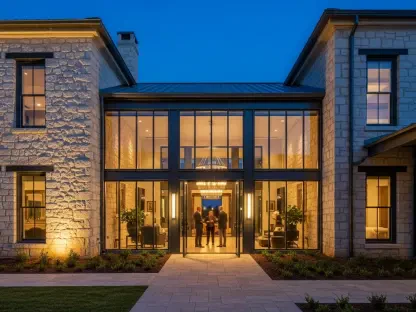
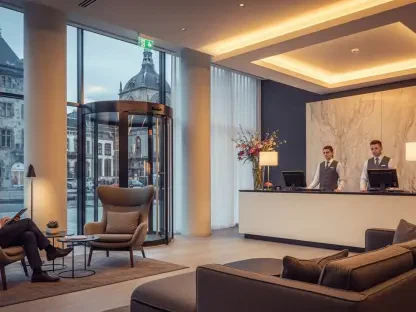
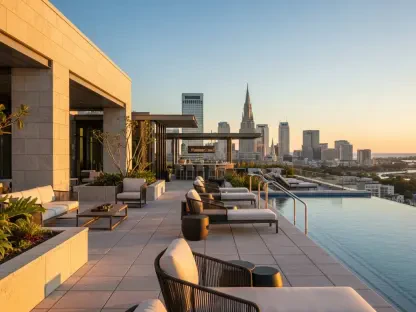
Spanning approximately 160,000 square feet, the architectural design of the hotel emphasizes a sleek, modern aesthetic that is carefully balanced with a strong commitment to environmental sustainability and urban resilience. The development team has set an ambitious target for LEED Gold Certification, incorporating an all-electric infrastructure that minimizes the building’s carbon footprint in accordance with modern municipal energy standards. Key structural features include a landscaped entry plaza and a sophisticated indoor/outdoor lobby bar, both of which are intended to enhance the pedestrian experience and provide a welcoming public interface. Furthermore, the inclusion of a rooftop amenity space offers a strategic vantage point for guests while adding to the district’s growing list of high-end social venues. By focusing on resilient building practices, the designers have ensured that the facility can withstand the unique environmental challenges of a coastal city, utilizing materials and systems that prioritize long-term durability and energy efficiency over conventional, less sustainable alternatives.
The integration of this project into the surrounding landscape is expected to stimulate the local economy by creating hundreds of construction and permanent service jobs, while simultaneously improving connectivity near the popular “Lawn on D” retail and recreation area. This focus on the “pedestrian-first” philosophy is evident in the way the hotel’s footprint interacts with the sidewalk, encouraging foot traffic and supporting nearby small businesses. The development’s all-electric systems represent a concrete implementation of green technology, moving away from fossil fuel reliance to embrace a cleaner power grid. Such technical specifications are increasingly becoming the benchmark for new large-scale projects in Boston, as developers recognize that environmental responsibility is no longer optional but a core requirement for commercial viability. This approach naturally leads to a more robust urban environment where private investments contribute directly to the public good through enhanced infrastructure and a reduced ecological impact, setting a standard for future hospitality projects across the region.
The successful authorization of this 438-room facility demonstrated a clear pathway for developers to balance large-scale commercial goals with the intricate needs of a growing urban population. Stakeholders recognized that the project’s value extended beyond mere room counts, as it provided a necessary anchor for the district’s convention ecosystem and reinforced the city’s status as a leader in sustainable development. Moving forward, the hospitality sector should prioritize these multi-functional, transit-oriented designs that offer more than just lodging, but also serve as social hubs and environmental stewards. The project proved that collaborative planning between international investors and local authorities could yield results that addressed immediate economic needs while securing long-term ecological benefits. For future endeavors, the integration of all-electric systems and public-facing amenities should be viewed as essential components of any successful permit application. Ultimately, the Seaport’s newest addition solidified a strategy where high-density growth and environmental consciousness functioned as complementary forces in the continued revitalization of the metropolitan waterfront.