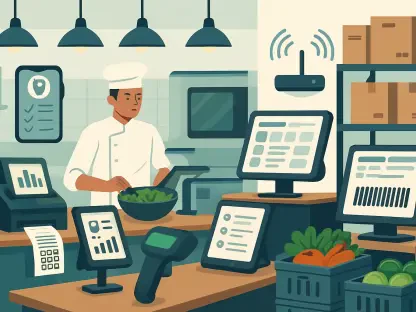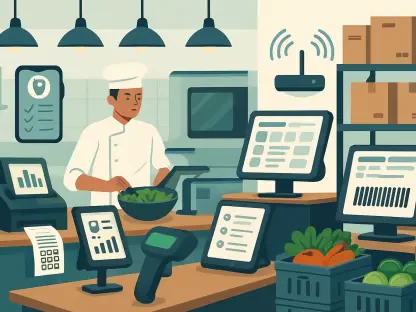

The modern hospitality landscape has transformed into a high-stakes digital arena where the difference between a returning guest and a lost opportunity often hinges on a single data point. Hyatt Hotels Corporation has recognized this shift by orchestrating a comprehensive overhaul of its organizational structure, merging digital and information technology departments into a unified powerhouse. This strategic consolidation aims to dismantle the silos that historically separated online reservations from the physical on-property experience. Under the guidance of seasoned leadership from the retail and e-commerce sectors, the brand is prioritizing a seamless transition for travelers. By treating the guest journey as a continuous digital thread rather than a series of disconnected transactions, the company has managed to generate over $100 million in incremental booking revenue. This financial success underscores the massive potential inherent in utilizing sophisticated data analytics to anticipate needs and preferences in a market that values speed.
Integrating Systems for Operational Excellence
Modernizing the Technological Backbone: Cloud-Based Solutions
Moving away from cumbersome legacy systems, Hyatt has embraced a modular approach by integrating specialized third-party platforms into its ecosystem. The transition to Oracle OPERA Cloud for property management and Sabre SynXis for central reservations represents a departure from the traditional reliance on proprietary, in-house software that often struggled to scale. These cloud-based solutions allow for a more agile response to market changes and guest demands, ensuring that the information flow is both accurate and instantaneous across all global properties. By outsourcing the core infrastructure to industry leaders, the internal digital team can focus on creating unique value-adds rather than maintaining basic connectivity. This shift is not merely about technical convenience; it is a calculated move to reduce the friction that often plagues large-scale hotel operations. Consequently, the company can deploy updates and new features at a pace that was previously impossible.
Optimizing Revenue Through Predictive Tools: Real-Time Insights
The implementation of the IDeaS revenue management system further strengthens this foundation by applying predictive analytics to pricing and inventory. This technology allows property managers to optimize their room rates based on real-time market fluctuations and historical stay patterns. Beyond just setting prices, these systems provide a deeper understanding of guest segments and their specific preferences. When integrated with the central reservation system, the data provides a 360-degree view of the customer, allowing the hotel to offer personalized upsells and amenities that resonate with the individual traveler. The objective is to move beyond generic service and toward a model where every interaction feels tailored to the guest’s current context. This level of precision requires a robust data pipeline that can handle millions of data points without compromising speed or security. As the industry becomes increasingly data-reliant, such an integrated infrastructure is vital.
Leveraging Analytics for Strategic Growth
Empowering Local Decision Makers: The Hotel Heartbeat Tool
To ensure that corporate strategy translates effectively to the property level, Hyatt introduced “Hotel Heartbeat,” an internal analytics tool designed for local managers. This platform synthesizes over 70 distinct data points, ranging from current occupancy levels to local event calendars, providing actionable insights that would otherwise be buried in spreadsheets. For example, the tool can automatically alert a manager if a hotel’s rates remain too low during a period of high demand, signaling an opportunity to adjust corporate pricing strategies or restricted room types. This democratization of data empowers on-site staff to make informed decisions that align with broader organizational goals while remaining sensitive to local market conditions. By putting sophisticated analytics directly into the hands of those who manage the guest experience daily, the brand bridges the gap between high-level data science and practical hospitality, turning raw information into a tactical advantage.
Driving Direct Bookings and Engagement: Enhancing User Conversion
This focus on data-driven decision-making extends to the digital storefront, where user experience enhancements have led to a significant lift in conversion rates. By introducing specialized search filters that allow guests to find rooms based on specific amenities or point-redemption thresholds, Hyatt has made it easier for travelers to find exactly what they need. Currently, approximately 70% of room nights are secured through direct channels, a metric that significantly reduces the commissions paid to third-party travel agencies. This shift not only improves profit margins but also allows the brand to maintain a direct relationship with the customer. When guests book directly, the company captures more granular data about their behaviors and preferences, creating a virtuous cycle of personalization. Each successful booking provides more information, which in turn is used to refine the next offer, ensuring that the digital experience remains relevant and engaging.
The strategic initiatives undertaken by Hyatt demonstrated that the future of hospitality lay in the successful synthesis of technology and human-centric service. By breaking down internal silos and investing in a unified digital ecosystem, the organization positioned itself to capture significant revenue through personalized engagement. This transition suggested that hotel brands had to look beyond traditional service models and embrace the role of data-driven entities to remain competitive. Owners and operators were encouraged to prioritize direct booking channels and invest in tools that provided real-time, actionable insights for property-level staff. Future developments likely involved even deeper integration of conversational search and mobile app functionalities to enhance the guest journey from booking to checkout. The move toward specialized third-party systems also provided a blueprint for other brands seeking to modernize without the burden of maintaining legacy software. Ultimately, those who successfully leveraged these insights fostered loyalty.