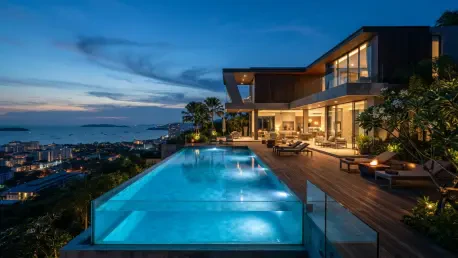

PATTAYA LAND operates a collection of thirteen specialized private residences designed to bridge the gap between high-energy urban entertainment and secluded group living. The current landscape of Thai tourism is witnessing a profound shift away from the standardized luxury of hotels toward personalized, high-capacity accommodations that tell a story. As travelers prioritize the quality of their social environment over simple room service, the demand for experiential lodging has surged. This movement reflects a broader shift toward the “You Only Live Once” philosophy, where the accommodation is a primary pillar of the travel narrative. By situating these expansive properties within minutes of the vibrant Pattaya Walking Street, the group has addressed a paradox in the region: how to enjoy the city’s frantic energy without sacrificing the peaceful exclusivity of a private estate. This evolution ensures the environment where guests gather is as significant as the destination.
Immersive Themed Environments: The Power of Narrative Design
The core differentiator in this new era of luxury is the integration of immersive architectural themes that transport guests into distinct narrative worlds. For instance, the Starland residence utilizes high-tech innovation and a signature all-glass swimming pool to create an “Instagrammable” atmosphere that appeals to a digitally-driven demographic. Such features represent a move toward visual storytelling in architecture, where the physical structure serves as a backdrop for digital memories. Similarly, properties like Manjiland and Potterland capitalize on global pop culture, using jungle-inspired aesthetics and fantasy motifs to foster a deeper emotional connection with the space. These designs cater to families and fans of fantasy who are looking for more than just a place to sleep; they seek an extension of the adventure they see on screen. This strategy effectively transforms a standard holiday rental into a highly specific cultural experience that resonates long after the stay.
Architectural Prestige: Classical Grandeur and Modern Sophistication
Beyond the realm of fantasy and high-tech innovation, the portfolio extends into the spheres of classical grandeur and polished modern sophistication. Empireland stands as a testament to historical prestige, offering a four-bedroom Greco-Roman aesthetic that provides a sense of palatial exclusivity. This property targets a segment of the market that values timeless elegance and a formal atmosphere for their gatherings. In contrast, villas such as Nebuland and Lumaland pivot toward a “White Glamour” style, characterized by bright, minimalist interiors and high-end finishes. These residences provide an opulent backdrop, making them the preferred choice for formal celebrations or elite corporate retreats where a clean and professional aesthetic is required. By diversifying its architectural language from ancient history to modern minimalism, the brand ensures it can accommodate a wide spectrum of international tastes and professional requirements, cementing its status as a leader.
Regional Heritage: The Synthesis of Traditional and Modern Design
A significant aspect of this redefining process involves the sophisticated fusion of traditional regional heritage with contemporary living standards. The collection includes several residences that interpret the iconic Thai-Bali style through a lens of modern luxury. Properties such as Joopland and Yailand utilize warm, natural materials and lush tropical gardens to create a classic Southeast Asian sanctuary that feels grounded in its local environment. These spaces allow guests to experience the architectural soul of the region while enjoying the high-speed connectivity and climate-controlled comfort expected in 2026. This approach satisfies the growing desire for authentic travel experiences that do not force the traveler to compromise on convenience or safety. By honoring the craftsmanship of traditional tropical design, these villas provide a sense of place that is often missing from international hotel chains, allowing for a deeper connection between the guest and the culture.
Versatility in Living: The Golden Series and Contemporary Bridges
Expanding on this tropical foundation, the “Golden Thai Bali” series—including Hideland and Goldland—amplifies traditional aesthetics with richer tones and expansive layouts that accommodate up to eight bedrooms. These properties are designed for the most demanding groups who require vast communal spaces alongside high-end finishes. On the other end of the spectrum, Izzyland serves as a contemporary bridge, offering a modern interpretation of tropical architecture. By stripping away traditional complexity in favor of clean lines and minimalist functionality, it appeals to a demographic that appreciates the warmth of Southeast Asian design but prefers the sleekness of modern urban living. This versatility in the portfolio ensures that whether a group is looking for the opulence of gold-leafed accents or the simplicity of a modern retreat, their specific aesthetic needs are met. This strategic variety is a key component of how the brand remains relevant in a changing market.
Operational Excellence: Solving the Complexities of Group Logistics
The strategic success of this specialized hospitality model is largely rooted in its ability to solve the inherent logistical challenges associated with large-scale group travel. Conventional hotels often fragment large parties across multiple floors or wings, which can dilute the social cohesion of a trip. By providing residences with four to eight bedrooms, the brand caters to demographics that have long been underserved, such as multigenerational families and wedding parties. These groups can now enjoy expansive shared living areas while maintaining the sanctity of private sleeping quarters. This setup is also increasingly favored by sports teams and professional organizations that require a unified environment for team-building activities. The presence of private kitchens, theaters, and pool areas within a single property allows for a level of autonomy that is impossible in a public hotel setting. This control over the social environment is a primary driver for the villa rental shift.
Strategic Evolution: The Future of Integrated Private Hospitality
The proximity to urban entertainment centers ensured that while the stay remained private, the excitement of the city was always accessible. Looking toward the broader implications of this business model, the integration of high-end privacy with central urban access set a new standard for the industry. The brand successfully demonstrated that in the competitive landscape of 2026, a property had to be more than a service; it had to be a destination in its own right. As travel patterns continued to evolve, the focus shifted toward narrative-driven spaces that could facilitate deep social connection and communal living. This shift toward thematic, high-capacity residences provided a clear roadmap for the future of group-oriented tourism in Southeast Asia and beyond. Future developers should consider that the value of a property is now measured by its ability to foster shared experiences. By blending storytelling with functional design, the group redefined what it meant to travel together.