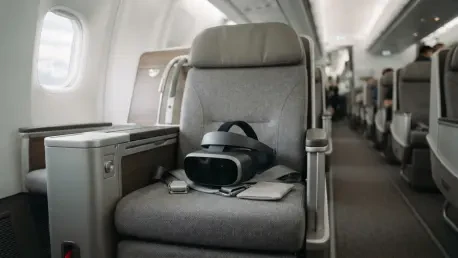

The aviation industry is transitioning from experimental in-flight trials to the operational scalability of Extended Reality platforms designed for global fleets. As industry stakeholders prepare for the APEX FTE EXPO in Singapore this November, the narrative is no longer about the theoretical possibility of immersive technology but about its practical integration into the cabin ecosystem. MSM.digital has positioned itself at the forefront of this change, emphasizing that Extended Reality—encompassing Virtual, Augmented, and Mixed Reality—must evolve into a robust, enterprise-grade solution. This transition involves moving away from the novelty of individual headsets and focusing on how these systems can be deployed across entire fleets without disrupting existing operations. The current focus remains on ensuring that these digital layers provide a seamless experience that feels natural to the traveler while meeting the stringent safety and logistical demands of the modern aerospace environment.
Engineering Immersive Technology for the Cabin
The collaboration between MSM.digital and PICO exemplifies the shift toward purpose-built aviation hardware that avoids the pitfalls of consumer-grade electronics. In the past, many attempts to bring VR or AR into the cabin relied on hardware designed for home use, which often struggled with the unique physical environment of an airplane. Today, the focus is on engineering devices from the ground up to address specific challenges such as electromagnetic interference, limited cabin bandwidth, and the spatial constraints of economy seating. By prioritizing aviation-certified materials and specialized tracking sensors, these new platforms offer a level of reliability that was previously unattainable. These engineering advancements ensure that the hardware is not just a peripheral addition but a durable component of the aircraft’s entertainment infrastructure, capable of enduring the wear and tear of daily transoceanic flights while delivering high-fidelity visual performance for every passenger.
Beyond physical durability, the technical architecture of next-generation XR platforms must account for the physiological realities of flight, particularly the issue of motion sickness. Developing algorithms that synchronize the virtual horizon with the actual movement of the aircraft has been a critical breakthrough in making immersive technology accessible to a wider demographic of travelers. Furthermore, these systems are now designed to operate efficiently within the “closed” network environment of a passenger jet, utilizing edge computing and localized content servers to provide high-resolution experiences without straining the plane’s external satellite connectivity. This focus on the internal technical ecosystem allows for a smoother, lag-free experience that is essential for maintaining passenger comfort. As these systems become more sophisticated, they are also integrating safety features that allow for immediate passthrough viewing, ensuring that passengers remain aware of their physical surroundings and crew instructions when necessary.
Overcoming Operational and Logistical Hurdles
Successful implementation of Extended Reality at scale requires a meticulous approach to the logistical lifecycle of the hardware, spanning from ground operations to the flight deck. One of the most significant challenges involves managing the turnaround time for headsets, which includes comprehensive sanitization protocols and rapid battery recharging between flights. Airlines are currently developing centralized docking stations and automated cleaning systems to ensure that every device meets hygiene standards without adding undue pressure on ground crews. Furthermore, the storage of these devices within the limited confines of the aircraft galley or overhead bins requires specialized housing that protects the sensitive optics while remaining easily accessible to the cabin crew. These operational blueprints are essential for moving XR from a niche offering in first-class suites to a standard feature available throughout the entire cabin, ensuring that the technology is as easy to manage as traditional seatback screens.
Minimizing the impact on cabin crew workload is another critical factor for the widespread adoption of immersive technology. For these platforms to be viable, they must feature intuitive user interfaces that allow passengers to troubleshoot basic issues independently, reducing the need for constant crew intervention. Modern XR systems are being designed with simplified one-touch activation and clear instructional overlays that guide the user through the setup process. Additionally, crew members are being equipped with centralized management tablets that allow them to monitor device status, push software updates, and even pause all headsets simultaneously during safety announcements. This level of control ensures that the introduction of immersive technology does not compromise the primary responsibilities of the cabin crew. By streamlining the interaction between the crew and the technology, airlines can ensure that the passenger experience is enhanced without sacrificing operational efficiency or high safety standards.
Expanding Revenue Through Digital Experiences
The integration of Extended Reality offers a transformative opportunity for airlines to generate ancillary revenue by creating an entirely new digital layer for passenger engagement. Rather than replacing existing In-Flight Entertainment systems, XR acts as a high-value supplement that can host premium content, from 3D blockbuster movies to exclusive virtual tours of a passenger’s destination. For instance, a traveler flying to Tokyo might spend their time virtually exploring the streets of Shibuya or booking a reservation at a restaurant they encountered in a 360-degree immersive preview. This “shoppable” environment allows brands to interact with passengers in a way that traditional 2D advertising cannot match, offering a highly personalized and engaging shopping experience. By leveraging the immersive nature of the platform, airlines can create a virtual storefront for luxury goods and services, turning flight time into a productive and profitable window for both the carrier and its commercial partners.
Beyond traditional commerce, Extended Reality platforms are proving to be powerful tools for enhancing passenger well-being through specialized wellness and relaxation modules. Long-haul travel often presents challenges related to stress and physical discomfort, which can be mitigated by immersive environments designed specifically for meditation or sleep induction. Airlines are now exploring partnerships with wellness brands to offer curated VR escapes, such as tranquil forest scenes or guided breathing exercises, which provide a sense of personal space in a crowded cabin. These premium experiences can be offered as part of a loyalty program or as a paid upgrade, providing a clear path to monetization while simultaneously improving the overall satisfaction of the traveler. As the technology continues to evolve, the ability to offer a customized digital sanctuary will become a key differentiator for airlines looking to attract high-value passengers who prioritize comfort and mental health during their journeys.
Future Outlook on Sustainable Industrialization
The shift toward the industrialization of immersive technology requires a sophisticated approach to digital rights management and content licensing that differs significantly from traditional media. In the current landscape, securing the rights for 360-degree films and interactive 3D environments involves navigating a complex web of legal frameworks that are still catching up to the technology. MSM.digital has been instrumental in bridging this gap by working with content creators to establish new standards for immersive in-flight media. This includes ensuring that interactive modules are optimized for the specific hardware configurations used by airlines and that licensing agreements cover the global nature of air travel. By creating a streamlined pipeline for content delivery, airlines can ensure a constant stream of fresh, high-quality material that keeps passengers engaged and encourages repeat usage. This focus on the content backend is just as important as the hardware itself in creating a sustainable and scalable platform for future passenger experiences.
Looking ahead, the focus for the aviation industry is shifting toward finalizing the operational blueprints that allow these advanced systems to become a permanent fixture of global air travel. Organizations recognize that the transition from small-scale trials to fleet-wide implementation requires a unified strategy that balances technical innovation with the practical realities of airline operations. The successful demonstrations in Singapore underscored the importance of collaboration between hardware providers, content creators, and airline executives to build a cohesive ecosystem. Industry leaders are prioritizing the development of standardized protocols for device maintenance and data security, ensuring that the digital world remains as safe and reliable as the aircraft itself. By treating XR as a strategic asset rather than a fleeting trend, the sector is establishing a new benchmark for what it means to provide a modern passenger experience. These steps lay the foundation for a future where the boundary between the physical cabin and the digital realm becomes increasingly fluid.