
The vast landscape of the Europe, Middle East, and Africa hospitality sector currently manages an influx of nearly 800 million annual visitors, necessitating a total recalibration of operational standards. After the record-breaking travel volumes witnessed throughout the previous year, the industry now faces a pivotal transition where market share depends on agility. Adapting to these shifting dynamics is essential for properties aiming to remain relevant in a competitive environment. Success this year hinges on deep guest sentiment analysis and the ability to pivot toward emerging regional preferences like “coolcations.”
The Evolving Landscape of EMEA Hospitality: A Strategic Outlook
Maintaining a competitive edge in the current market requires more than just high occupancy; it demands a sophisticated understanding of traveler motivations. As regions across EMEA experience varying climate impacts, the industry must balance traditional service with innovative operational models. Identifying the critical intersection between automation and human touch is no longer a luxury but a fundamental requirement for growth.
The Vital Importance of Data-Driven Adaptation
Modern best practices emphasize that data-driven decision-making is the cornerstone of a sustainable reputation. Properties that actively monitor guest feedback see a direct correlation with improved online reputation scores and long-term guest loyalty. Moreover, using these insights to optimize operational costs allows hotels to reinvest in their most critical asset: the guest experience.
Addressing the issue of aging hotel stock is particularly vital this year. Proactive maintenance and room upgrades prevent the gradual revenue loss associated with wear and tear from high-occupancy cycles. By identifying infrastructure weaknesses early through guest reviews, management teams can resolve complaints before they impact the bottom line.
Strategic Pillars for Success in the Hospitality Market
Actionable strategies derived from the analysis of 82 million guest reviews highlight a clear path forward for hoteliers. These pillars focus on aligning property offerings with the actual desires of the modern traveler.
Prioritizing Authenticity and Infrastructure Quality
The shift away from generic international branding toward high-quality, local experiences is now a dominant force. Travelers increasingly seek “Hyper-Local” offerings that reflect the unique culture of their destination. This trend requires a rigorous commitment to room maintenance schedules to ensure that the physical environment matches the high level of service expected.
Case Study: The Failure of International Fusion vs. Local Excellence
Evidence suggests that poorly executed international cuisine, such as low-quality sushi in non-specialized markets, negatively impacts guest sentiment. In contrast, properties that focus on authentic local culinary experiences consistently receive higher marks. Excellence in a specific local niche proves far more valuable than a mediocre attempt at global variety.
Navigating Geographic Shifts and Climate Realities
Climate realities have birthed the “coolcation” trend, where travelers favor northern destinations to escape extreme heat. Consequently, Mediterranean strategies are shifting to combat overtourism by promoting high-value, sustainable tourism. This pivot ensures that southern markets remain viable while preserving their environmental and cultural integrity.
Real-World Example: The Scandinavian Booking Surge
The Nordics recently capitalized on shifting weather patterns to achieve triple-digit growth in bookings. This success demonstrated how regional adaptability allows northern destinations to absorb demand from traditional summer hotspots. Other regions can replicate this by marketing their unique seasonal climates as a refuge for heat-weary travelers.
Integrating High-Tech Efficiency with High-Touch Service
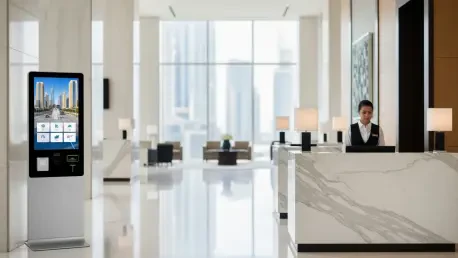
Automation is now a necessity to offset persistent labor shortages and rising operational costs. Implementing AI-driven communication and streamlined check-in processes allows staff to focus on high-priority guest needs. The goal is to use technology to remove friction, not to replace the human element that defines luxury.
Case Study: The UAE’s Leadership in Guest Engagement
Hoteliers in the UAE achieved a remarkable 70% response rate by leveraging advanced technology to enhance guest engagement. This approach proved that digital tools can actually increase the frequency and quality of human interaction. By automating routine inquiries, the staff remained available for personalized service.
Navigating the Future: Final Recommendations
A three-pronged strategy involving sustainability, automation, and clear value communication provided the necessary framework for success. Established hotel groups prioritized renovations to stay competitive, while boutique hotels capitalized on local authenticity to capture niche markets. Industry leaders recognized that navigating new regulatory challenges, such as VAT increases and short-term rental restrictions, required early budget adjustments. These actions ensured that the EMEA hospitality sector remained resilient and prepared for the evolving demands of the global traveler.