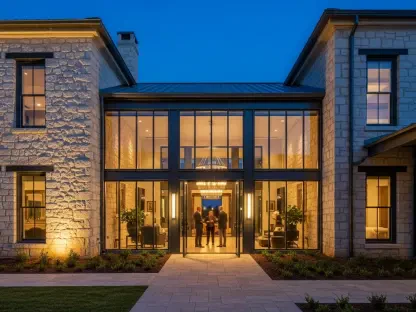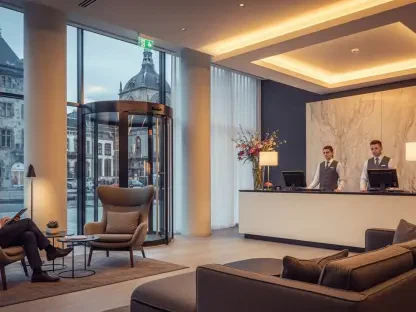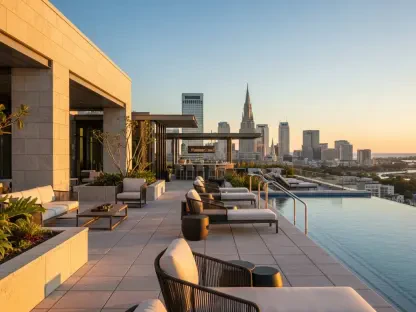

The skyline across the Wasatch Back is currently defined by an intricate dance of towering yellow cranes and skeleton-like steel frames, signaling a period of unprecedented real estate and hospitality growth that has reshaped the local topography. As massive new developments rise, particularly concentrated around the historic and expanding Deer Valley area, local observers and international investors are increasingly vocal about whether the market is reaching a critical breaking point of oversupply. This analysis explores the fundamental transition of Park City from a seasonal ski town into a premier, year-round luxury hub, evaluating whether the current influx of inventory is a speculative risk or a calculated response to the massive expansion of the region’s recreational infrastructure. While the sheer volume of construction might suggest a bubble to the untrained eye, a closer look at the underlying economic drivers reveals a strategic shift intended to reposition Utah as the definitive center of North American mountain living and high-end tourism. This evolution is not merely about adding more beds; it is about creating a sophisticated ecosystem that caters to a global elite who view the mountains as a primary residence rather than a holiday escape.
The Transformation of Deer Valley East Village
At the heart of this regional transformation is the Deer Valley East Village, a monumental project that reimagines the resort’s entire footprint by creating a sophisticated new gateway along the highway corridor. Rather than simple incremental upgrades, this development introduces a secondary base of operations featuring North America’s largest “ski beach” and a significant increase in skiable terrain that effectively doubles the resort’s capacity. The project is designed to alleviate the traditional congestion found at the Silver Lake and Snow Park bases, providing a modern entry point that integrates luxury lodging with immediate mountain access. This strategic expansion is not just about moving more people onto the slopes; it is about redefining the arrival experience for a new generation of visitors who prioritize convenience and high-touch service. By establishing this second epicenter, the resort ensures that the expanded terrain is supported by a logistical framework capable of handling increased volume without compromising the exclusivity for which the brand is known internationally.
The scale of this expansion is supported by 250,000 square feet of retail space and extensive recreational facilities, including an ice-skating rink and a dedicated ski school that anchors the village community. This coordinated growth suggests that the new inventory is part of a unified strategy to enhance the resort’s total capacity while providing the amenities necessary for a vibrant, year-round village environment. Beyond the winter months, the infrastructure is being built to support summer activities such as mountain biking, hiking, and outdoor concerts, ensuring that the capital investment remains productive across all four seasons. This shift toward a multi-season model is critical for the long-term viability of the real estate market, as it transforms vacation rentals into consistent, year-round revenue generators. The inclusion of extensive commercial space ensures that residents and guests have access to world-class dining and shopping without needing to commute into the old town center, thereby creating a self-sustaining luxury ecosystem that justifies the premium pricing of the surrounding residential units.
High-End Residential and Branded Hospitality Pipelines
The development boom extends well beyond the immediate resort base, stretching along the U.S. Highway 189/40 corridor into the neighboring Heber Valley where land availability allows for more expansive projects. High-value residential developments like Marcella at Deer Valley and the wellness-centric Velvære Park City are setting new benchmarks for luxury living, with many sites already sold out or commanding premium prices before they are even completed. These projects cater to a demographic seeking more than just a vacation home, offering integrated lifestyle amenities that range from private club access to specialized fitness facilities and medical-grade wellness centers. By focusing on the intersection of luxury real estate and holistic health, developers are tapping into a growing market of affluent buyers who are relocating permanently from coastal cities. The success of these high-density, high-value projects indicates that demand remains robust, particularly for properties that offer a turnkey lifestyle and a sense of community that goes beyond the standard gated neighborhood or traditional condominium complex.
Complementing the residential growth is a surge in branded hospitality, including the boutique Stelle hotel and the upcoming Andaz Heber Valley, which marks a significant entry of international luxury brands into the region. These properties bring a level of global prestige and service that attracts high-net-worth travelers and long-term investors who might have previously overlooked Utah in favor of established European or Colorado destinations. By adding hundreds of hotel rooms and branded residences, these developments are filling a gap in the market for sophisticated, managed accommodations that provide both luxury and convenience. Branded residences, in particular, have become a dominant force in the local market, as they offer owners the peace of mind associated with professional management alongside the amenities of a five-star hotel. This influx of hospitality inventory is viewed by analysts as a necessary maturation of the market, providing the high-quality lodging required to support the massive increase in skiable acreage and the growing number of international flights arriving at the nearby airport.
Strategic Accessibility as a Market Differentiator
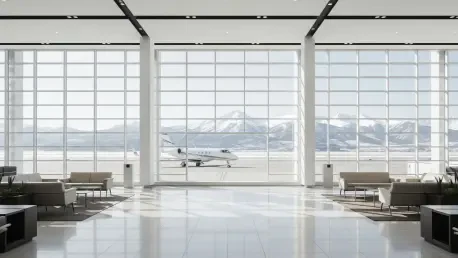
A primary driver behind the sustained demand for Park City real estate is its exceptional proximity to Salt Lake City International Airport, which has recently undergone its own multi-billion dollar expansion. Unlike remote mountain destinations that require long drives through treacherous canyons or unreliable commuter flights, Park City offers robust nonstop connectivity to major domestic and international hubs, allowing for a seamless transition from the tarmac to the trail. This logistical advantage makes the region uniquely attractive to executives and entrepreneurs who require global access without sacrificing the health and lifestyle benefits of a mountain environment. The ability to conduct a morning meeting in a major metropolitan center and be on a chairlift by the afternoon is a value proposition that few other global resorts can match. This “commutable wilderness” aspect has fundamentally changed the buyer profile, shifting the market away from purely discretionary second homes toward primary and secondary residences for active professionals who work remotely.
This ease of access broadens the potential buyer pool, ensuring that new inventory is not reliant solely on local or regional interest but is instead part of a global real estate portfolio for the wealthy. Because Park City is one of the most accessible world-class ski destinations in North America, it maintains a competitive edge over rivals in Colorado or deeper into the Rockies where travel times are significantly higher. This steady flow of affluent visitors and residents provides a reliable foundation for the absorption of new housing and hotel units, as the risk of travel-related cancellations is minimized. Furthermore, the proximity to a major metropolitan area like Salt Lake City provides a level of economic stability and diverse employment opportunities that most mountain towns lack. This synergy between the urban center and the mountain resort creates a resilient economy that can withstand broader market fluctuations, making the real estate market in Park City appear more like a suburban extension of a thriving city than an isolated and vulnerable mountain outpost.
Benchmarking Supply Against Recreational Capacity
To address concerns of a lodging glut, analysts utilize the “rooms-per-acre” metric, comparing Park City’s density to established Colorado markets like Vail and Breckenridge to determine the true saturation levels. Historically, Park City has maintained a lower lodging density relative to its skiable terrain, often leading to a shortage of high-quality rooms during peak periods and holiday weekends. Even with the current wave of construction, the data suggests that the region is actually catching up to its peer markets rather than exceeding them in any significant way. The core argument for those who believe the market is healthy is that the recreation “floor” has expanded so drastically that the current inventory is still insufficient to meet the potential visitor volume. When comparing the number of beds to the total vertical feet and acreage available, Park City remains one of the least densely “housed” major resorts in the United States, providing a substantial cushion against the risks typically associated with a rapid increase in residential and hotel supply.
The expansion of Deer Valley will bring the total skiable terrain in the area to nearly 20,000 acres, surpassing the combined acreage of major Colorado ski counties that have historically dominated the industry. Even if the current development pipeline were to double in size over the next five years, the ratio of hotel rooms to skiable acres would remain within a healthy and sustainable range according to industry benchmarks. This evidence points toward a “market maturation” where the supply of housing is finally beginning to align with the massive recreational capacity of the mountains and the modern infrastructure of the town. Rather than an oversupply, the current boom is seen as a necessary correction for a market that has been under-bedded for decades. As the physical boundaries of the resort grow, the capacity to host visitors must grow in tandem, or the region risks losing market share to better-equipped destinations. This data-driven perspective provides a level of comfort to institutional investors who see the long-term value in matching physical assets with the available natural resources.
Long-Term Outlook for a Mature Tier-1 Destination
The consensus among market experts is that Park City’s growth is a function of scale rather than speculative overbuilding, driven by the fundamental expansion of the resort’s operational capabilities. The simultaneous expansion of terrain, luxury housing, and retail creates a synergistic environment where each component feeds the demand for the others, resulting in a more robust and diverse local economy. By investing in year-round amenities like ice rinks, expanded retail corridors, and extensive trail networks, the region is successfully mitigating the risks associated with seasonal tourism and climate variability. This diversification is essential for attracting long-term capital, as it ensures that the town remains a destination regardless of the snowfall in any given year. The transition to a “Tier-1” destination status puts Park City in a different league than smaller, local hills, making it a target for international travelers who bring higher spending power and stay for longer durations, which further stabilizes the hospitality and retail sectors.
Ultimately, Park City is evolving into a global resort destination that rivals the most established hubs in the world, such as Courchevel or St. Moritz, but with significantly better modern infrastructure. The massive increase in inventory is an essential adjustment to match the physical expansion of the resort’s infrastructure and the changing expectations of the modern luxury traveler. For stakeholders, the current phase represents a strategic window where the mountain’s capacity to host visitors continues to outpace the town’s capacity to house them, signaling a robust and sustainable future for the real estate market. This alignment of recreational supply and residential demand suggests that the current construction is not a bubble but the building of a foundation for the next several decades of growth. As the region continues to attract high-net-worth individuals and corporate investment, the focus will likely shift from building new units to managing the high level of service and community character that makes the Wasatch Back a unique and desirable place to live and visit.
Strategic planning and data-backed investment provided the necessary roadmap to ensure that Park City’s growth remained sustainable throughout the most recent development cycle. Analysts and developers worked in tandem to prioritize infrastructure that matched the town’s expanding footprint, ensuring that the surge in inventory did not outpace the community’s ability to provide essential services and amenities. Future considerations for the region should have focused on maintaining the delicate balance between high-end development and environmental preservation, as the natural beauty of the mountains remained the primary draw for all residents and visitors. Practical steps for the coming years included the implementation of advanced traffic management solutions and the expansion of workforce housing to support the thousands of employees required to run these new luxury facilities. By looking toward these long-term operational needs, the region successfully transitioned into its role as a premier global hub, proving that the real estate boom was a calculated evolution rather than a temporary spike in market interest.