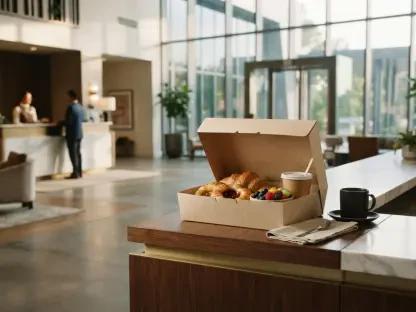

Data from digital ordering platforms shows that removing physical friction from the transaction process consistently increases average order values by up to thirty percent. This phenomenon occurs because patrons feel more comfortable adding an extra side dish or a premium beverage when they are not pressured by a physical queue or the social anxiety of a face-to-face transaction. In the current landscape of 2026, hospitality venues are shifting away from broad cost-cutting measures that often degrade the guest experience. Instead, the industry is moving toward a model where technology handles the repetitive logistics, allowing staff to focus on high-impact hospitality. Success in the upcoming year depends on identifying where seconds are lost in manual entry and where dollars are left on the table due to inefficient ordering cycles. By prioritizing operational fluidity, businesses can maintain healthy margins without sacrificing the service quality that defines their brand and ensures guest loyalty.
Eliminating Administrative Bottlenecks: A System-First Approach
Hidden Inefficiencies: The Cost of Manual Back-End Labor
Operational efficiency often suffers from the invisible drain of administrative labor that takes place behind a laptop screen rather than on the dining floor. In many contemporary establishments, managers and owners spend dozens of hours each month on repetitive manual tasks such as updating digital menu prices, entering paper invoices into accounting software, and calculating recipe costs across shifting supplier rates. For instance, some regional breweries have reported reclaiming nearly forty hours of management time per month simply by automating the data transfer between their point-of-sale systems and back-end inventory trackers. This transition ensures that the most skilled employees are present during service to handle complex guest interactions and maintain quality control, which is far more valuable than clerical data entry. When a manager is tethered to an office, the venue loses its primary line of defense against service failures. Addressing these boring inefficiencies is a prerequisite for any success.
Digital Synchronization: Connecting Disconnected Software Tools
The connectivity of digital tools plays a pivotal role in maintaining a competitive edge as businesses look toward 2027 and beyond. Fragmented systems that do not communicate with one another create data silos, forcing staff to act as human bridges between different software platforms. This fragmentation results in outdated inventory levels, incorrect menu availability, and a general lack of real-time visibility into the health of the business. By adopting a system-first approach, hospitality operators can ensure that a change made in one area of the business reflects instantly across all touchpoints, from the kitchen display screen to the guest’s mobile device. This level of synchronization reduces the likelihood of overselling out-of-stock items, which is a common source of guest frustration and lost trust. Furthermore, a unified technology stack allows for the collection of more accurate data points, providing a clearer picture of which operational stages are functioning well and require immediate adjustment.
Maximizing Profit Potential: Data-Driven Menu Engineering
Granular Analysis: Decoding Performance Across Service Windows
Effective revenue management requires a departure from relying on broad weekly or monthly averages that mask the true performance of specific service periods. In the year 2026, successful operators are digging into granular data to understand the unique dynamics of different time blocks, such as the distinct purchasing behaviors seen on a Tuesday lunch compared to a Saturday night. This level of detail allows for more precise menu engineering, where high-volume items like beverages can be balanced against high-margin food offerings to maximize the total profit per table. For example, data often reveals that certain items sell well but contribute little to the bottom line, while others are hidden gems with high margins that receive little promotion. By identifying these patterns, businesses can implement targeted upselling strategies or adjust staff placement to better support high-traffic periods. This analytical approach transforms the menu from a static list into a dynamic tool for generating profit.
Operational Audits: Strengthening Long-Term Sustainability
The strategic evolution of the industry was defined by a shift from reactive problem-solving to proactive system design. Operators who prioritized the removal of technical and administrative friction found themselves in a stronger position to weather economic fluctuations while maintaining superior guest experiences. The successful model involved auditing the journey of a single order to eliminate manual handling, which protected the bottom line without diminishing the quality of service. It became clear that cutting labor costs without first resolving technical redundancies was a counterproductive strategy that often led to greater losses. Instead, the focus turned toward leveraging technology to handle the heavy lifting of data management and transaction processing. These insights provided a clear roadmap for future considerations, suggesting that long-term sustainability resided in the ability to adapt to changing consumer behaviors through flexible, integrated platforms and modern, automated back-office workflows.