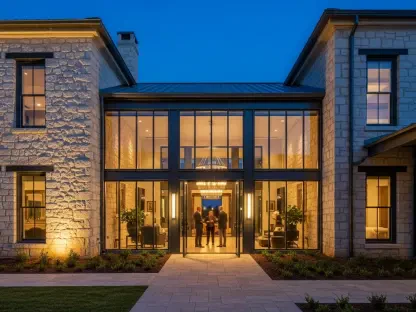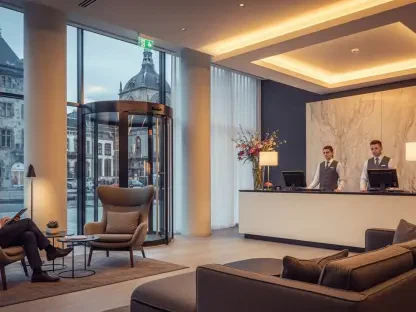

The sudden and dramatic collapse of hospitality company Sonder in November has unleashed a vast portfolio of turnkey properties onto the market, creating a seismic event that forces industry rivals to decide whether to seize a rare growth opportunity or heed a stark warning about unsustainable business models. Following its Chapter 7 bankruptcy filing, a significant collection of formerly operated assets, including fully furnished boutique hotels, cottages, and apartments, is now available for leasehold interest acquisition. Managed by the advisory firm Gordon Brothers, this portfolio spans 17 states and is concentrated in highly desirable urban centers like New York, Los Angeles, Chicago, and New Orleans. The event presents a complex scenario, forcing a critical examination of the very strategies that propelled so-called disruptors to prominence while simultaneously offering a unique chance for competitors to rapidly expand their footprints in key markets.
The Flawed Foundation of a Disruptor
At the heart of Sonder’s downfall was its unwavering commitment to a master-lease operating model, a strategy that has drawn intense scrutiny from across the real estate and hospitality sectors. The company pursued an aggressive lease arbitrage approach, signing long-term, fixed-rent leases directly with property owners and then re-renting the units for short-term stays. While this model promised high returns during periods of strong demand, it exposed the company to immense financial risk during downturns or market fluctuations. Industry leaders, such as Kasa CEO Roman Pedan, have long criticized this structure, labeling it as “economically disruptive across real estate cycles” because it transfers market risk from property owners to the operator. This high-leverage strategy left Sonder with crippling fixed costs that became untenable, ultimately demonstrating that rapid growth financed by fixed liabilities, rather than flexible partnerships, can be a fragile foundation for long-term success.
The industry’s response to Sonder’s failure has been swift and decisive, signaling a broader rejection of the high-risk master-lease model in favor of more traditional and resilient operating structures. As competitors circle the available properties, a clear consensus is emerging: the assets are valuable, but the strategy was not. Companies like Kasa are in active discussions with property owners in multiple major cities to take over the management of these former Sonder locations. However, they are deliberately structuring these deals as traditional management agreements, where the operator earns a percentage of revenue, rather than committing to fixed lease payments. This strategic pivot underscores a collective industry learning, where the focus is shifting from speculative arbitrage to sustainable, partnership-based models that align the interests of both property owners and operators, ensuring that both parties share in the risks and rewards of the hospitality market.
A Scramble for Premier Real Estate
Despite the cautionary tale of Sonder’s demise, the sale of its portfolio represents a significant and compelling prospect for growth-oriented hospitality companies. The assets being offered for leasehold interest acquisition are not distressed or secondary properties; they are premier, turnkey locations in some of the nation’s most lucrative markets. Michael Burden of Gordon Brothers emphasized this, describing the situation as a “unique opportunity for growth-minded hospitality companies to acquire premier turnkey locations to rapidly expand their portfolio.” The fact that these boutique hotels and apartments are fully furnished and operationally ready allows a new operator to bypass the lengthy and capital-intensive process of development and launch. For companies with a stable, proven business model, this event is less a warning and more of a windfall, providing a chance to absorb strategically located, high-quality assets at an unprecedented scale and speed, effectively leapfrogging years of organic growth.
However, the acquisition process is not without its complexities, and potential buyers must approach the opportunity with rigorous due diligence. The initial catalog of 190 properties released by Gordon Brothers was found to contain significant inaccuracies, serving as a reminder of the chaotic nature of bankruptcy proceedings. The list erroneously included several Found-branded boutique hotels, leading to necessary clarifications from the brand’s legal counsel. It was confirmed that Sonder’s rights to those specific properties had been terminated prior to the first quarter of 2025, meaning no interest in those hotels was actually available through the sale. This incident highlights the critical need for prospective operators to independently verify every detail of the assets they wish to acquire, as the information presented in a large-scale liquidation can be fluid and subject to error. The promise of rapid expansion must be tempered by a methodical and cautious approach to vetting each leasehold interest.
A Return to Fundamentals
The collapse of Sonder was more than a corporate failure; it became a definitive industry case study that reinforced the value of sound real estate fundamentals over high-risk growth narratives. The swift pivot by competitors, who eagerly pursued Sonder’s former assets but only under traditional management agreements, signaled a market-wide recalibration. This event provided a clear verdict on the lease arbitrage model, exposing its inherent vulnerabilities when tested against real-world economic pressures. Ultimately, the aftermath demonstrated that while a prime location and a well-furnished unit are essential, the underlying financial structure of an operation is what determines its long-term viability. The industry absorbed the lesson, reaffirming that sustainable partnerships, not speculative liabilities, were the true cornerstones of success in the hospitality sector.