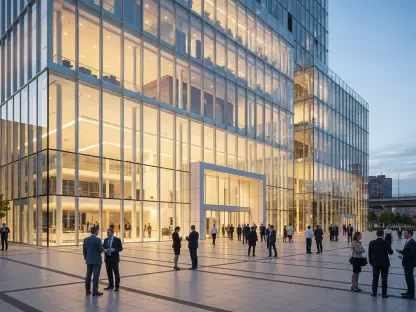

The once-clear line between ensuring guest safety and providing a welcoming atmosphere has blurred, forcing a fundamental reinvention of hotel security. In this evolving landscape, the traditional model of a solitary night guard and a few outdated cameras is no longer sufficient to address the complex threats and heightened expectations of the modern traveler. The future of hospitality security is not about building fortresses but about weaving a sophisticated, multi-layered tapestry of protection that seamlessly integrates highly-trained personnel, advanced technology, and streamlined operational processes. This paradigm shift demands a departure from one-size-fits-all solutions, moving instead toward a dynamic framework meticulously tailored to a property’s unique risk profile, brand identity, and financial realities. The urgency for this transformation is underscored by sobering statistics and mounting regulatory pressures. With a significant percentage of guests reporting theft and an alarming number of hotel workers experiencing harassment, the stakes for getting security right have never been higher. The emergence of new panic-button laws and industry-wide commitments like the AHLA’s 5-Star Promise are not just recommendations but mandates for a higher standard of care. Despite security budgets increasing, many properties remain vulnerable, revealing a critical gap between investment and effective implementation that next-generation solutions are engineered to close.
The New Guard Blending Service with Surveillance
An innovative and increasingly popular strategy reimagines the very first point of guest contact—the porte-cochère—as the initial line of defense by deploying valet-integrated security staff. This model involves cross-training valet attendants in licensed security functions, empowering them to deliver high-touch service while discreetly monitoring the environment for potential threats such as loiterers, unauthorized tailgaters, or suspicious bags. Technology is central to this integration, with staff often using a single tablet-based application to manage both valet tickets and security incident logs, ensuring efficient communication and a unified data stream. This approach is particularly effective for luxury and lifestyle brands that prioritize a welcoming, checkpoint-free atmosphere. While this solution can enhance the arrival experience and trim payroll by combining roles, its scope is inherently limited. These guards are typically unarmed and confined to the curbside, making them unable to address incidents occurring on upper floors or deep within the property. Consequently, this model is most effective when deployed as part of a broader, layered security strategy that includes internal patrols or comprehensive camera coverage.
For properties that require an unequivocal and immediate security presence, a dedicated on-site guard force remains the gold standard of protection. This solution provides a powerful and visible deterrent to criminal activity while ensuring a trained first responder is always available to manage incidents in real time. The modern hotel guard transcends the outdated stereotype of an intimidating enforcer; today’s professionals are skilled in both authoritative action and five-star courtesy, adept at protecting guests without making them feel policed or uncomfortable. These teams conduct meticulous patrols of hallways and parking areas, monitor camera feeds from a central hub, and log all activities with precision. Leading security firms enhance this model with advanced technology, such as cloud-based dashboards that timestamp every patrol checkpoint and AI-powered tools that can predict high-risk zones to dynamically adjust patrol routes. While this is the most costly option, with a single unarmed post often exceeding several thousand dollars per month, the return on investment is significant. Properties with 24-hour guard coverage frequently report dramatic reductions in theft and vandalism, which can lead to substantially lower insurance premiums. This approach is most suitable for large-footprint hotels, urban properties with elevated crime rates, and venues that regularly host VIPs or large, cash-heavy events.
Flexible and Remote Security for the Modern Hotel
Offering a strategic balance of presence and affordability, mobile patrols coupled with on-demand guard services present a flexible and highly effective security solution. This model operates on a hybrid basis, featuring a roving officer in a distinctly marked vehicle who conducts scheduled—and often randomized—patrols of a property’s exterior. During these sweeps, the officer checks doors, assesses lighting, and clears parking lots of unauthorized individuals, with each visit being GPS-stamped and meticulously documented in a cloud-based report accessible to management. The crucial element of this service is its on-demand response capability. If an alarm is triggered or an incident is reported by on-site staff, the nearest patrol unit is dispatched, typically arriving within 15 minutes to provide professional intervention. This “security on demand” approach allows hotels to access expert support precisely when needed without incurring the expense of a full-time, static post, making it an ideal fit for select-service hotels, extended-stay brands, and operators managing multiple smaller properties within a single geographic area.
The primary limitation of a mobile patrol model is the inherent response time; an officer cannot instantly intervene in a real-time altercation happening inside the lobby or on a guest floor. Therefore, it is critical to supplement this service with a robust internal foundation of proactive security measures. This includes investing in comprehensive, high-definition camera coverage in all public areas, ensuring excellent lighting across the entire property, and providing extensive training for front-desk and night-audit staff. Empowering these employees with de-escalation techniques and clear protocols for emergencies enables them to manage situations safely and effectively until professional backup arrives. In parallel, harnessing existing infrastructure through remote video monitoring can transform a hotel’s camera network into a proactive surveillance powerhouse. By connecting camera feeds to a live, off-site security operations center, trained agents can monitor the property 24/7. This system, enhanced with smart analytics to automatically detect anomalies like a propped-open service door, allows agents to intervene directly using on-site speakers, often de-escalating a situation before it requires a physical response and providing comprehensive coverage at a fraction of the cost of an on-site guard.
The Rise of a Technology First Security Ecosystem
The future of hospitality security is being forged through the augmentation of human teams with a powerful and intelligent layer of smart technology. Artificial intelligence can now be applied to existing camera systems, transforming them from passive recording devices into active threat detectors capable of recognizing weapons, automatically flagging unattended baggage, or identifying individuals who breach a digital perimeter fence. When a threat is detected, an alert can be sent to a guard’s mobile device in under a second, eliminating the need for constant, fatiguing manual monitoring of multiple screens. This visual network is complemented by the Internet of Things (IoT). Discreet sensors can cover blind spots where cameras cannot reach; for instance, door contacts can flag security breaches in restricted areas, while glass-break detectors can signal a forced entry in real time. This technological ecosystem extends directly to the protection of personnel through the integration of staff panic buttons. These wearable, location-based devices allow employees, particularly housekeepers and others working alone in isolated areas, to discreetly signal for help with a single press, broadcasting their exact location to a central command dashboard for a rapid and precise response in full compliance with emerging safety regulations.
Beyond stationary sensors and cameras, autonomous security robots are emerging as the next frontier in this technological evolution, serving as a significant force multiplier for on-site teams. Advanced units can patrol large and complex areas, such as multi-level parking garages or expansive resort grounds, without tiring or becoming distracted. These robots stream 360-degree high-definition video, utilize thermal imaging to detect threats in low-light conditions, and can even read license plates to identify unauthorized vehicles. Some models are equipped with two-way communication, allowing guests to interact with a remote security agent through the robot itself. By taking over the monotonous but critical task of routine patrols, these autonomous units free up human guards to focus on higher-level responsibilities, such as guest interaction, complex investigations, and emergency response. This strategic deployment of robotics provides an additional layer of persistent surveillance and deterrence, effectively increasing a property’s overall security coverage and operational efficiency without a proportional increase in headcount. While these systems require significant upfront investment and ongoing maintenance, their ability to provide tireless, data-rich oversight represents a transformative step forward.
Unifying Operations with Intelligent Platforms
The ultimate evolution of hotel security moves beyond individual personnel and hardware to focus on the process layer, unifying all security functions through sophisticated incident-management and emergency-preparation platforms. These software solutions act as a centralized command center, typically accessible via a mobile application, that transforms a hotel’s response to any event—from a minor hallway spill to a major fire emergency—into a coordinated, documented, and efficient workflow. They provide a single source of truth, eliminating the confusion and delays that can arise from fragmented communication channels like radios and phone calls. When an incident is reported, the platform creates a clear, digital trail, logging every action from the initial alert to the final resolution. This documented workflow ensures accountability and provides invaluable data for optimizing future security protocols, training programs, and resource allocation.
In a crisis, the power of these platforms becomes even more apparent. A single tap on the app from a housekeeper reporting smoke, for example, can trigger a pre-programmed cascade of automated and coordinated actions. Security, engineering, and management teams can be instantly alerted with the precise location of the incident. Simultaneously, integrated smart systems can be prompted to unlock designated fire doors for evacuation, while pre-written emergency notifications are sent directly to guest phones. Every step of this response is automatically timestamped, creating an invaluable and immutable record that is critical for post-incident analysis and demonstrating regulatory compliance. This focus on process and documentation has become highly valued by both regulators and insurers. A clear, verifiable digital trail demonstrates a hotel’s unwavering commitment to proactive safety management, which can lead to faster compliance checks and, in many cases, lower liability insurance premiums, solidifying the platform’s role as an essential component of a modern security framework.