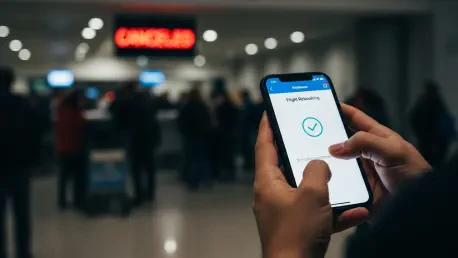

The all-too-familiar scene of a crowded airport gate, with flight status monitors flashing “CANCELED” in stark red letters, has become a flashpoint for passenger frustration, often escalating into confrontations that grab national headlines. In a strategic pivot away from simply penalizing unruly behavior, American Airlines has launched a significant update to its mobile application, designed to proactively disarm the very triggers of air rage. This technological initiative introduces a new paradigm in customer service, shifting the focus from reactive enforcement to proactive empowerment. By placing powerful resolution tools directly into the hands of travelers during the most stressful moments of their journey, the airline is aiming to de-escalate tensions before they begin, a move that addresses a growing concern for federal transportation officials and the traveling public alike. This enhancement is not just about convenience; it represents a fundamental change in how an airline manages the inevitable disruptions of modern air travel, using code to cultivate calm in an environment prone to chaos.
The Anatomy of Air Travel Frustration
In recent years, the friendly skies have become increasingly turbulent on the ground and in the cabin, with a direct and alarming link established between operational disruptions and passenger misbehavior. Federal Aviation Administration data reveals a stark reality: in-flight disturbances have soared by over 400% since 2019, an increase that has put airline crews and fellow travelers at risk. The primary catalyst for this surge in incidents is not malice, but a profound sense of powerlessness that grips passengers when their travel plans unravel. When flights are delayed or canceled, the lack of clear communication and accessible support channels leaves travelers feeling stranded and unheard. This information vacuum, combined with the daunting prospect of waiting in serpentine queues for a single overwhelmed gate agent, creates a volatile environment. The feeling of being “stuck” with no control over one’s situation is a powerful psychological trigger, transforming simple frustration into outright anger and, in some cases, aggressive confrontations that disrupt the entire travel ecosystem.
The traditional response model to flight disruptions has often exacerbated an already tense situation, inadvertently fanning the flames of passenger anger. Before the widespread adoption of advanced self-service technologies, a traveler whose flight was canceled faced a frustrating gauntlet of obstacles. Their options were typically limited to joining a lengthy, slow-moving line at a customer service desk or enduring extended hold times on a customer service hotline, all while their anxiety and uncertainty mounted. The information provided was often vague, with generic alerts offering little in the way of concrete next steps or resolutions. This process created a bottleneck where hundreds of displaced passengers competed for the attention of a handful of airline employees, a scenario ripe for conflict. The inability for travelers to take immediate, decisive action to resolve their own predicament was a core design flaw in the disruption management process, one that prioritized airline control over passenger autonomy and, in doing so, contributed to a more hostile travel environment for everyone.
A Digital Toolkit for Disrupted Travelers
In a direct response to these friction points, American Airlines has reimagined its mobile application as a first responder for travel disruptions. The centerpiece of the update is a suite of powerful self-service tools that puts passengers firmly in control of their journey. When a disruption occurs, the app now provides clear, specific guidance that walks the traveler through the situation, outlining their options with unprecedented transparency. The most significant feature is the ability for passengers to rebook their own flights directly within the app, choosing from available alternatives that fit their schedule. This single function effectively eliminates the need to wait in line or on hold, allowing a traveler to secure a new itinerary in minutes from anywhere. By empowering customers to take immediate, corrective action, the technology transforms a passive, frustrating wait into an active, problem-solving experience, fundamentally altering the dynamic of a travel disruption and restoring a crucial sense of agency.
The app’s new capabilities extend far beyond simple rebooking, addressing a wider spectrum of passenger needs to further mitigate stress. In instances of significant delays or cancellations that qualify for compensation, the platform now automates the delivery of essential amenities. Travelers can instantly claim and receive digital vouchers for hotel stays, meal credits, and alternative transportation without ever speaking to an agent. This removes a significant bureaucratic obstacle and provides immediate, tangible relief. To address another common source of travel anxiety, the app has integrated a robust, real-time bag tracking system, giving passengers peace of mind about the location of their checked luggage throughout the disruption. Furthermore, the inclusion of integrated ground transportation booking with services like Lyft and Uber helps create a more seamless end-to-end recovery plan. This holistic approach recognizes that passenger stress is multifaceted and offers a comprehensive digital toolkit to resolve the most pressing issues efficiently and independently.
The Passenger Verdict and Its Broader Implications
The rollout of these new features has been met with overwhelmingly positive feedback from the traveling public, particularly on online forums where seasoned flyers share their experiences. The consensus among users is a profound appreciation for the newfound control and autonomy the app provides during otherwise chaotic situations. The ability to sidestep tense interactions with overburdened airline staff and circumnavigate crowds of other frustrated passengers was cited as a major benefit. One user praised the system after being able to rebook a canceled flight in minutes while observing a line of “100 other angry people” forming at the gate. Another traveler offered a detailed account of their experience in Charlotte: after their flight was canceled well after midnight, they used the app to instantly secure both a meal and a hotel voucher, receiving a confirmation code that allowed for a seamless check-in just a short time later. These real-world testimonials underscored the app’s effectiveness in turning a potential travel nightmare into a manageable inconvenience.
Ultimately, while no single application could resolve every complex travel issue, particularly for individuals less comfortable with mobile technology, this digital initiative fundamentally altered the atmosphere during operational breakdowns. By empowering the vast majority of passengers to resolve their own situations quickly and efficiently, the features drastically reduced the crowds and palpable tension at customer service counters. This, in turn, liberated airline personnel to provide more focused, high-quality assistance to those with complex itineraries or who required in-person support. The result was a calmer, more controlled environment that benefited everyone involved. By proactively targeting the core drivers of passenger frustration—the lack of information, control, and timely assistance—this technological solution demonstrated a powerful new path forward, proving that thoughtful design can make air travel significantly less stressful and mitigate the troubling trend of bad behavior.