
In a striking display of long-term confidence, Bermuda’s tourism sector in 2025 is navigating a period of profound transformation, characterized by massive investments in hotel infrastructure even as the island grapples with a slight dip in visitor arrivals. This pivotal year has been defined by the tangible hum of construction and strategic planning, with significant progress made on the redevelopment of two of the island’s most iconic but long-shuttered properties—the Fairmont Southampton and the Elbow Beach Hotel—alongside the advancement of a new hotel project in the heart of the City of Hamilton. These ambitious initiatives are not merely about replacing lost inventory; they represent a concerted effort to significantly upgrade and expand Bermuda’s accommodation offerings, directly addressing the critical capacity shortages that have constrained the industry since the hotel closures precipitated by the global pandemic. The ongoing work signals a clear and decisive bet on a revitalized, more robust future for the island’s primary economic pillar.
Reviving Iconic Resorts
The Fairmont Southampton a Cornerstone of Recovery
The redevelopment of the Fairmont Southampton stands as the most prominent and impactful of these undertakings, representing a critical component of the island’s tourism recovery strategy. As Bermuda’s largest hotel, its closure in 2020 left a significant void, with the loss of its 593 guest rooms reverberating negatively throughout the tourism and service sectors. Throughout 2025, the property, now under the ownership of Gencom, has been a hive of activity following a formal groundbreaking in late 2024, with all efforts directed toward an anticipated reopening to guests in 2026. This large-scale project has also served as a vital engine for local employment; by August 2025, reports indicated that over 150 Bermudians, their spouses, and permanent resident’s certificate holders were actively engaged in the redevelopment efforts. In a forward-looking move, job fairs were organized during the year to begin the complex process of staffing the sprawling resort for its grand reopening. The immense project was not without its moments of hardship, however, as the community mourned a tragic industrial accident in April that resulted in the death of Thomas Lauwaske Jones, a 56-year-old worker on the site.
A crucial legislative milestone was achieved for the Fairmont Southampton project in 2025 with the completion and official gazetting of a revised Special Development Order (SDO), providing the essential legal framework for the next ambitious phase of development. Announced in September by the Minister of the Cabinet Office and Digital Innovation, Diallo Rabain, the SDO formally permits the construction of up to 159 additional tourist accommodations and 91 residential units, to be housed in new buildings ranging from two to four stories. A critical stipulation within the SDO ensures that the primary focus remains on restoring the core tourism asset: construction of these new units is prohibited until the main hotel has officially reopened its doors to the public. The SDO also integrates significant environmental and community benefits, mandating the creation of three new conservation areas that will total 7.5 acres. Further enhancements include the realignment of a section of South Road and upgrades to the adjacent Railway Trail. While some public concern was voiced regarding a perceived lack of transparency about changes from previous drafts, the government maintained that the final order was reinforced with “strict conditions,” greater clarity, and a comprehensive suite of environmental safeguards, including stringent new standards for wastewater treatment.
Expanding the Luxury and Urban Hotel Landscape
Further east in Paget parish, another of Bermuda’s historic and cherished properties received a new lease on life. The Loren Group, which has already earned acclaim for its successful and high-end redevelopment of the Pink Beach hotel, announced its purchase of the sprawling 44-acre Elbow Beach Hotel. This century-old resort, which also ceased operations in 2020 and entered liquidation in 2023, is now slated for a “comprehensive redevelopment” that promises to transform the site. The Loren Group’s ambitious vision involves demolishing the old, dilapidated main hotel building and constructing a brand-new 75-key hotel on the area currently occupied by tennis courts. This central hotel will be complemented by a mix of 27 high-end estate homes and cottage-style accommodations, creating a diverse luxury offering. The developer’s strategic plan is to operate The Loren at Elbow Beach and The Loren at Pink Beach as a unified hotel experience across two distinct but synergistic locations. According to co-owner Stephen King, work is scheduled to commence in 2026, with a target completion date in late 2028, positioning the new resort to welcome guests for the 2029 tourism season.
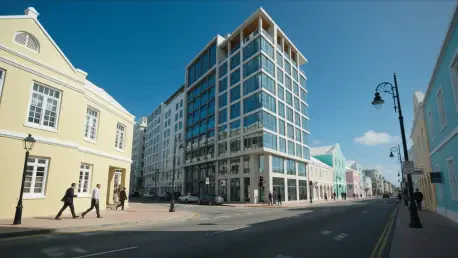
In addition to the revival of these two major coastal resorts, 2025 saw notable progress on a new urban hotel project aimed at revitalizing the capital city. Ay Ay Holdings Bermuda Ltd received final planning approval to transform the long-vacant Victoria Hall in the City of Hamilton into a nine-story hotel to be named Sankofa House. This significant development is projected to add 94 much-needed rooms to the city’s limited inventory and is expected to create approximately 40 direct hotel jobs, with an additional 16 staff members required for an on-site restaurant. The project’s approval was particularly noteworthy as it successfully overcame an initial “obligatory refusal” from planning authorities, which was based on the proposed building’s height and lack of setbacks according to existing regulations. The Department of Planning’s ultimate decision to support the project on appeal signals a clear willingness from officials to accommodate innovative and modern developments that are aimed at breathing new life and economic activity into the City of Hamilton, potentially setting a precedent for future urban renewal projects.
Performance Amidst Transformation
A Tale of Two Metrics
This flurry of development and investment activity occurred against a decidedly mixed backdrop of tourism performance through the first nine months of 2025. According to data released by the Bermuda Tourism Authority (BTA), the hotels that remained operational performed well from a financial standpoint, demonstrating strong demand among visitors who did travel to the island. Hotel occupancy experienced a modest year-on-year increase of approximately 1%, but the more crucial metric of revenue per available room (RevPAR) saw a robust and healthy increase of 11.6%, indicating that hotels were commanding higher rates. Furthermore, spending by air visitors, a key driver of the local economy, rose by 0.5% to reach an impressive $247.9 million. These positive financial indicators, however, were contrasted by a decline in overall visitor volume. Total air arrivals decreased by 1.3%, and cruise arrivals fell more sharply by 5.5%. The BTA attributed a significant portion of the decline in the cruise sector to an active Atlantic storm season, which forced several ships to divert their itineraries away from Bermuda as a safety precaution.
Future Outlook and Strategic Imperatives
The performance data from 2025 ultimately underscored a central theme for the year: while Bermuda’s existing tourism infrastructure was successfully generating higher revenue from each visitor, the overall volume of tourists was contracting. This dynamic highlighted the critical importance of the ongoing hotel redevelopment projects in boosting future capacity to attract a larger market. The financial health of operating hotels proved that demand for a premium Bermuda experience remained strong, but the decline in arrivals exposed the vulnerability caused by a constrained room inventory. The major investments in the Fairmont Southampton, Elbow Beach, and Sankofa House were therefore not merely reactionary measures but strategic imperatives. These projects represented a calculated effort to realign the island’s tourism product with the demands of the modern traveler, ensuring that Bermuda would not only recover its lost capacity but significantly elevate its offerings. The period of intensive construction and planning was a foundational step toward securing a more resilient and prosperous long-term future for the island’s vital tourism economy.