
With a sharp eye for transforming urban landscapes, Katarina Railko has become a key voice in hospitality development. Her expertise lies in seeing the hidden potential within underutilized commercial properties, a skill that is reshaping central London’s cityscape. In our conversation, we explore the driving forces behind the office-to-hotel conversion trend, delving into the intricate balance of preserving heritage while meeting modern sustainability standards. We also discuss the power of strategic partnerships and the critical role these new developments play in fostering community and creating vibrant, seven-day-a-week city destinations.
Your strategy of repurposing underutilized offices is clear with Ibex House and 5-10 Great Tower Street. What specific market shifts make this strategy so effective right now, and could you walk us through the key metrics you use to identify an office with hotel conversion potential?
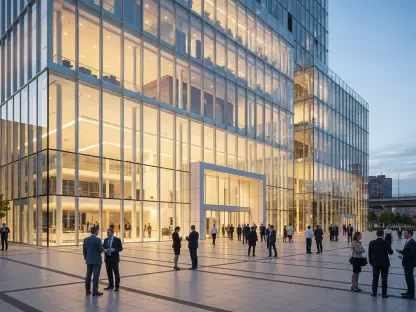
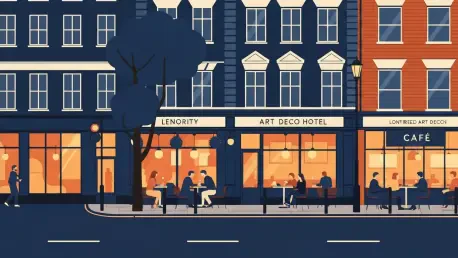
The current market is a perfect storm of opportunity for this kind of repositioning. On one hand, there’s a clear surplus of vacant or underperforming office space, a hangover from shifting work patterns. On the other, the demand for high-quality, centrally located hotels in London is incredibly robust and continues to grow. This is amplified by city-led initiatives like the ‘Destination City’ strategy, which aims to make the Square Mile a true 24/7 hub. When we’re scouting for potential, we look for a specific alchemy of factors. Location is paramount—proximity to major transport links like Aldgate and Fenchurch Street is non-negotiable. Then we look at the building itself. Does it have character, a story to tell? A landmark Grade II-listed Art Deco building like Ibex House is a developer’s dream because it offers an irreplaceable architectural identity. Finally, we assess the structure for its potential for sustainable reuse; the ability to retain a significant portion, like the 90% of superstructure we’re keeping at Ibex House, is a huge metric for us, as it’s both environmentally and economically intelligent.
This is your second joint venture with Cheyne Capital after the 65 Fleet Street project. Could you describe the synergy in this partnership? How do your respective teams collaborate on a complex heritage project like this, from the initial due diligence through to the final design submission?
The partnership is built on a foundation of complementary expertise and a shared vision. We bring the deep development and operational know-how in the hospitality sector, while Cheyne Capital provides formidable investment acumen and a sharp understanding of long-term value creation in prime assets. The synergy is truly palpable. On a project like Ibex House, our teams are intertwined from the very beginning. During due diligence, our development experts are on-site assessing the physical constraints and opportunities of the heritage building, while their real estate group is modeling the financial viability. This collaborative spirit continues into the design phase. We work hand-in-glove to ensure the plans, like those designed by Studio Moren, not only create a market-leading hotel but also sensitively restore historic elements, as we’re doing with the Tipperary pub at Fleet Street. It’s a constant dialogue that ensures we deliver bold, meaningful redevelopments that stand the test of time.
The plans for Ibex House target BREEAM Excellent while retaining 90% of its superstructure. What are the biggest technical challenges in meeting such high sustainability targets within a Grade II-listed Art Deco building, and can you share an anecdote about an innovative solution you’ve devised?
It’s a fascinating challenge that requires a surgeon’s precision. The biggest hurdle is integrating modern, high-efficiency systems into a historic fabric that was never designed for them, all without compromising the building’s protected character. You can’t just bolt on solar panels or wrap an Art Deco facade in external insulation. The real innovation happens behind the scenes. For instance, achieving BREEAM Excellent while retaining so much of the original structure means we have to be incredibly creative with mechanical and electrical systems. We’ve spent countless hours mapping out how to thread new, low-carbon ventilation and heating systems through the building’s existing risers and voids. It’s like performing keyhole surgery; we are meticulously upgrading the building’s performance from the inside out, ensuring it aligns with the UK Net Zero Carbon Buildings Standard while the iconic exterior remains untouched. It’s this blend of respect for the past and commitment to the future that makes these projects so rewarding.
You’re activating the ground floor with a reopened ‘Peacock’ pub and a Hospitality Academy in partnership with The Springboard Charity. Could you elaborate on how the academy will function day-to-day and provide some step-by-step details on how it will help achieve the City’s ‘Destination City’ goals?
The Hospitality Academy is the heart of our commitment to the local community. It’s not a separate classroom; it’s a living, breathing part of the hotel operation. From day one, trainees, in partnership with The Springboard Charity, will be immersed in the real world of a high-end hotel. They might spend the morning shadowing the concierge, the afternoon learning barista skills in the new café, and the next day understanding operations at the front desk. This hands-on approach provides invaluable, practical experience. This initiative is a direct line to supporting the ‘Destination City’ goals. First, it creates a pipeline of skilled, local talent, which is essential for a thriving seven-day-a-week economy. Second, by reopening the ‘Peacock’ pub and adding a public café, we’re activating the streetscape, making the area more inviting and vibrant for workers, visitors, and residents alike. We aren’t just building a hotel; we’re investing in the human infrastructure and social fabric of the Square Mile.
Drawing from your experience converting The Dixon, a former courthouse, what specific lessons are you applying to Ibex House? Can you describe how you’ll balance preserving the building’s iconic Art Deco character with the practical needs and guest expectations of a modern 382-key hotel?
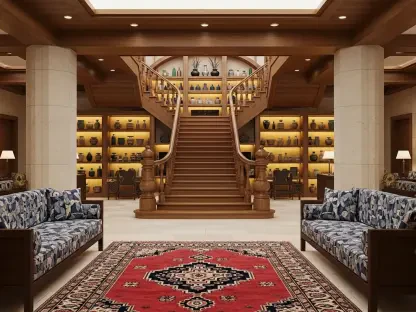
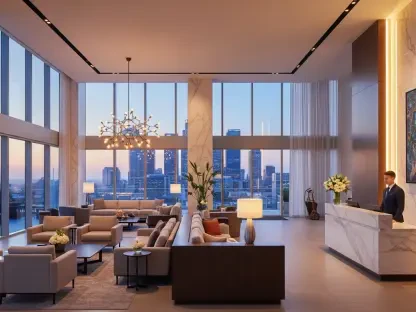
The Dixon taught us that a building’s history is its greatest asset. With that project, we learned how to celebrate its past as a magistrates’ court not as a gimmick, but as an authentic layer of the guest experience. We are bringing that same philosophy to Ibex House. The key is to let the building’s soul shine through. We will meticulously restore and highlight the magnificent Art Deco features, making them the heroes of the interior design. However, we also learned that heritage can’t come at the expense of comfort. A guest in 2024 expects seamless connectivity, intuitive room controls, and luxurious amenities. The balance is struck by integrating modern necessities discreetly. The Art Deco elegance will be the stunning backdrop for a frictionless, contemporary stay, ensuring the hotel feels both timeless and perfectly suited for the modern traveler.
What is your forecast for the office-to-hotel conversion trend in central London over the next five years?
I believe this trend is only just beginning and will accelerate significantly over the next five years. The underlying market forces are undeniable: a structural shift in the office sector leaving a legacy of well-located but outdated buildings, paired with insatiable international and domestic demand for London hotel rooms. Projects like Ibex House, 5-10 Great Tower Street, and 123 Judd Street are the pioneers, creating a proven blueprint for success. This isn’t just about arbitrage; it’s a fundamentally sustainable approach to urban renewal that breathes new life into iconic buildings and entire neighborhoods. The key will be expertise. Developers who understand the nuances of planning, heritage, and complex conversions will thrive, and I predict we’ll see a surge in capital partnerships eager to fund these transformative projects. It’s an exciting future for London’s built environment.