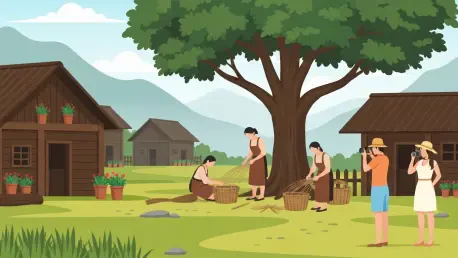

Imagine a small rural village in a developing country, where the only sounds are the rustle of leaves and the occasional chatter of farmers tending to fields that barely yield enough to survive. Economic hardship grips these communities as climate change disrupts traditional livelihoods like farming and fishing, pushing young people to abandon their roots for urban dreams that often fall short. Yet, amidst this struggle, a glimmer of hope emerges through sustainable tourism—a concept that promises not just visitors, but a lifeline for economic revival. By tapping into the untapped beauty of landscapes, vibrant cultural heritage, and unique biodiversity, rural areas could transform into thriving destinations. This approach offers a chance to create jobs, empower locals, and preserve what makes these places special. The question remains whether this model can truly turn the tide for struggling rural economies, and how it might be implemented to ensure lasting impact without compromising the very essence of these communities.
The Untapped Potential of Rural Tourism
In many developing regions, rural areas sit as hidden gems, brimming with natural splendor and cultural richness that could captivate travelers from around the globe. Sustainable tourism presents an opportunity to turn these assets into economic engines, offering an alternative to dwindling agricultural incomes. Unlike mass tourism, which often exploits resources, this model focuses on creating benefits that stay local—think homestays run by families or guided tours led by village youth. The potential for job creation is immense, especially for those who have few other options. Women, often sidelined in traditional economies, can find new roles in hospitality or craft-making, while young people might see a reason to stay rather than migrate. This isn’t just about money; it’s about breathing life back into communities that have long felt forgotten, fostering resilience against economic and environmental challenges.
Moreover, the ripple effects of tourism can extend far beyond direct employment. When visitors spend on local food, crafts, or experiences, small businesses flourish, creating a multiplier effect that boosts the entire community. Infrastructure improvements, often spurred by tourism demand, can enhance daily life for residents—think better roads or access to clean water systems initially built for guests. However, the key lies in ensuring that these developments align with local needs and don’t just cater to outsiders. If managed with care, sustainable tourism can become a cornerstone for rural revival, proving that economic growth and cultural preservation aren’t mutually exclusive but can indeed go hand in hand, setting a foundation for long-term prosperity.
Barriers Blocking the Path to Progress
Despite its promise, the road to rural tourism isn’t without significant obstacles that can deter even the most determined efforts. Many rural areas lack basic infrastructure—roads are often unpaved, signage is nonexistent, and sanitation facilities for visitors are scarce. Such conditions make it tough for tourists to reach or enjoy these destinations, no matter how breathtaking the scenery or rich the traditions. On top of that, there’s a glaring lack of visibility. Without marketing or online presence, these villages remain off the radar for potential travelers who might otherwise be drawn to authentic, off-the-beaten-path experiences. Bridging this gap requires investment and strategy, which rural communities often lack the resources to provide on their own.
Additionally, there’s a skills gap that hinders progress. Even if tourists arrive, many locals aren’t equipped with the know-how to run tourism businesses or offer quality services that meet modern expectations. Training in hospitality or business management is often out of reach, leaving communities unprepared to capitalize on opportunities. Environmental concerns also loom large—overuse or mismanagement of natural attractions can lead to degradation, undermining the very appeal that draws visitors. Tackling these barriers isn’t just a matter of funding; it demands a coordinated effort to build capacity, protect resources, and create connections to broader markets. Without addressing these challenges head-on, the dream of economic revival through tourism risks remaining just that—a dream.
Empowering Communities as the Core Strategy
At the heart of any successful rural tourism model lies a commitment to community involvement, ensuring that locals aren’t just beneficiaries but active drivers of change. When residents take the lead in planning and managing tourism initiatives, the outcomes are more likely to reflect their values and needs. Structures like village tourism committees can play a pivotal role, giving a platform for diverse voices, including women and marginalized groups, to shape decisions. This isn’t merely about fairness; it builds trust and ownership, which are crucial for sustaining efforts over time. Communities that feel invested are more likely to protect their cultural and natural assets, creating a virtuous cycle of growth and preservation.
Furthermore, a community-driven approach helps ensure that economic gains don’t leak out to external operators but stay within the area. Models like revenue-sharing or cooperatives can distribute benefits equitably, preventing the kind of exploitation seen in some tourism hotspots where locals see little reward. By aligning projects with local priorities—whether that’s preserving a sacred site or promoting a traditional festival—tourism becomes a tool for cultural reinforcement rather than erosion. The challenge lies in balancing diverse interests within a community, but when done right, this inclusive strategy lays the groundwork for tourism that doesn’t just attract visitors but transforms lives, fostering a sense of pride and purpose among residents.
Equipping Locals with Essential Skills
For rural communities to seize the opportunities tourism offers, building skills is non-negotiable, as raw potential alone won’t cut it in a competitive market. Training programs tailored to local contexts can bridge the gap, teaching everything from hospitality basics to eco-guiding through pristine landscapes. Imagine villagers learning to share their history through storytelling tours or crafting souvenirs that reflect their heritage—such skills turn traditions into marketable assets. Focusing on youth and women opens new pathways, offering alternatives to migration or limited roles in traditional economies. These initiatives don’t just create jobs; they empower individuals with confidence and independence.
Equally important is the integration of modern tools like digital literacy into training efforts. In an era where travelers plan trips online, knowing how to manage a social media page or list a homestay on travel platforms can make all the difference. Partnerships with educational bodies or tourism experts can help deliver these programs effectively, ensuring they’re practical and relevant. However, access to such training often remains uneven, particularly in remote areas where resources are thin. Overcoming this hurdle requires innovative solutions, like mobile training units or online courses, to reach those most in need. When locals are equipped with the right expertise, they’re not just participating in tourism—they’re shaping it, setting a standard that draws visitors seeking authentic, high-quality experiences.
Balancing Growth with Environmental Care
Tourism can’t thrive if it destroys the very resources it depends on, making eco-friendly practices a cornerstone of sustainable development in rural areas. Low-impact infrastructure—think homestays built with local, sustainable materials or trails designed to minimize disruption—can enhance visitor appeal while safeguarding nature. Improved signage and waste management systems further ensure that increased foot traffic doesn’t lead to pollution or degradation. These measures aren’t just about preservation; they elevate the experience for tourists who increasingly seek destinations that align with their values of environmental responsibility, creating a win-win scenario.
Beyond infrastructure, conservation efforts led by communities themselves are vital to maintaining the delicate balance between growth and sustainability. Training locals in sustainable resource management or establishing community conservation plans can protect biodiversity and cultural sites from overuse. Initiatives like eco-certification for tourism providers add another layer of accountability, signaling to visitors that their spending supports ethical practices. Challenges arise when funding or expertise for such efforts is limited, but partnerships with environmental organizations can fill these gaps. By weaving conservation into the fabric of tourism, rural areas can ensure that their natural and cultural treasures remain intact for future generations, securing both economic and ecological futures.
Bridging the Gap to Global Markets
Attracting tourists to rural destinations hinges on making them visible and appealing in a crowded global market, a task that requires both creativity and connectivity. Developing unique offerings—be it cultural heritage tours, farm-to-table culinary experiences, or adventure treks—can cater to diverse traveler interests, setting these areas apart from mainstream hotspots. Digital platforms are game-changers here, allowing communities to showcase their charm through websites or social media campaigns. Training locals in digital marketing ensures they can manage these tools themselves, fostering independence while reaching domestic and international audiences with compelling stories of their home.
However, visibility alone isn’t enough; strategic partnerships with travel agencies and online booking platforms are crucial to driving actual visits. These collaborations can amplify reach, connecting rural offerings with travelers who might never have stumbled upon them otherwise. Yet, there’s a risk of losing local control if external players dominate marketing or pricing. Striking a balance—where communities retain ownership of their narrative while leveraging broader networks—is essential. When done thoughtfully, market linkages don’t just bring in revenue; they position rural areas as must-visit destinations, creating a steady flow of economic benefits that can transform entire regions over time.
Forging Partnerships for Enduring Success
No rural community can navigate the complexities of sustainable tourism in isolation, making collaboration with diverse stakeholders a linchpin for lasting impact. Local governments can provide policy support and funding for infrastructure, while tourism boards help with branding and promotion on a larger scale. Private businesses, such as travel operators, bring market expertise and networks that amplify reach. Environmental nonprofits offer guidance on conservation, ensuring that growth doesn’t harm delicate ecosystems. These partnerships create a robust support system, pooling resources and knowledge to tackle challenges that would overwhelm any single entity.
Equally critical is designing these collaborations to prioritize community interests over external agendas. Too often, rural areas see benefits siphoned off by outside investors, leaving locals with crumbs. Structuring agreements to reinvest tourism revenue into local development—like schools or healthcare—can prevent this. Additionally, creating mechanisms for ongoing dialogue ensures that partnerships evolve with community needs. While aligning varied interests isn’t always smooth, the payoff is a tourism model that’s not just viable but scalable, offering a blueprint for other regions. Through such collective effort, rural economies gain the backing needed to flourish, turning isolated initiatives into widespread transformation.
Crafting a Blueprint for Economic Renewal
Turning the vision of sustainable tourism into tangible results demands a structured approach that leaves no stone unturned, ensuring every step builds on the last. A phased plan offers clarity—starting with deep community engagement to align goals, then moving into skill-building and infrastructure upgrades to prepare for visitors. Later stages focus on market development and promotion, perhaps through rural tourism festivals that draw attention. Finally, consolidation ensures longevity, embedding mechanisms for locals to manage projects independently. Monitoring progress through visitor feedback or economic surveys keeps efforts on track, allowing for tweaks as challenges emerge.
This roadmap isn’t a one-size-fits-all; it must adapt to each area’s unique context, from cultural norms to environmental constraints. Securing funding for initial phases often poses a hurdle, as does ensuring equitable access to opportunities across diverse community segments. Yet, when executed with precision, such a plan can yield measurable outcomes—higher household incomes, improved living standards, and hundreds of new jobs, particularly for youth and women. More than numbers, it’s about fostering hope, proving that rural areas aren’t doomed to decline but can chart a vibrant future. This systematic approach transforms lofty ideals into concrete change, setting a precedent for what’s possible when strategy meets commitment.
Envisioning a Future of Resilience
Looking back, the journey of sustainable tourism in rural areas revealed a powerful synergy between economic vitality, social empowerment, and environmental stewardship. It wasn’t merely about drawing visitors; it was about crafting a model where communities took charge, preserving their heritage while building brighter prospects. The hurdles—from infrastructure woes to market invisibility—were met with innovative solutions, from skill-building initiatives to digital outreach. Partnerships proved instrumental, weaving a network of support that sustained growth. As this approach took root, rural regions saw not just financial gains but a renewed sense of identity and purpose. Moving forward, the focus should shift to scaling these successes, adapting lessons to new contexts, and ensuring that every rural voice shapes this evolving narrative. The path ahead lies in continuous collaboration and investment, guaranteeing that the promise of transformation becomes a lasting reality for generations.