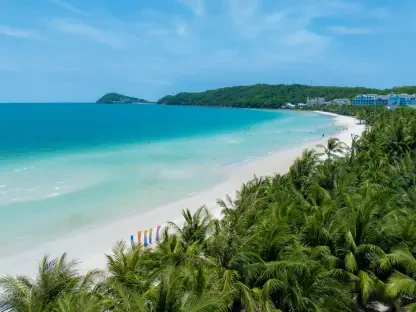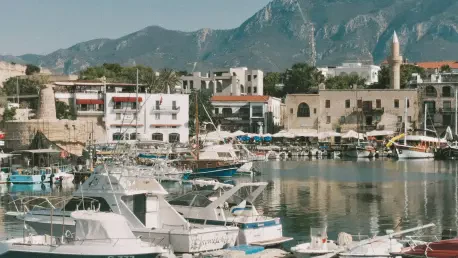

Deep-blue waves gently lap against the limestone cliffs of the Akamas Peninsula, while the once-thundering bass of the eastern party districts begins to fade into a more tempered, rhythmic hum of sustainable exploration. Thousands of seasoned travelers are suddenly trading the world-famous clubs of Ayia Napa for the secluded, rugged coves of the west, marking a definitive end to the era of high-density commercial tourism. As the holiday season unfolds, Cyprus is undergoing a profound identity shift, moving away from its reputation as a high-octane party hub toward a more disciplined, serene, and safety-conscious destination. This evolution reflects a growing global demand for vacations that prioritize personal well-being and ecological integrity over the chaotic energy of crowded coastal strips.
The transformation is not merely aesthetic but deeply structural, driven by a collective desire for environments where order and beauty coexist. Travelers now seek out destinations that offer a clear departure from the friction of modern urban life, favoring the quiet rustle of olive groves over the neon glare of late-night bars. This shift matters because it aligns with an international trend where “safety” is no longer just a background detail but the primary driver of destination selection. Consequently, the island’s map is being redrawn by those who value tranquility, as the 2026 holiday landscape emphasizes a more selective approach to the geography of the Mediterranean.
Beyond the Neon Lights: The Reimagining of the Mediterranean Getaway
The current travel market is grappling with the tension between legacy nightlife models and the modern requirement for predictable, secure environments. In Cyprus, this manifests as a strategic pivot away from overcrowded zones where late-night volatility has become a significant concern for families and solo travelers. Instead of congregating in high-traffic districts, visitors are distributing themselves across the island’s more rural and protected regions. This redistribution is fostering a new kind of luxury, one defined by space, silence, and a lack of commercial intrusion.
This reimagining of the getaway encourages a deeper connection with the local culture and landscape. The move toward “serene tourism” has effectively divided the coast into distinct zones of interest, each catering to the informed traveler who seeks a balance of beauty and institutional order. By moving beyond the traditional neon lights, the tourism sector is finding that a quieter, more managed approach to hospitality actually attracts a higher caliber of visitor—one who stays longer and invests more in the local community.
The 2026 Landscape: Why Travelers are Rethinking Traditional Hotspots
Legacy hotspots are facing increasing scrutiny as the friction between mass tourism and environmental stability reaches a breaking point. The 2026 outlook reveals that regional congestion and shifting demographics are pushing people away from the eastern party districts. Modern travelers are more sensitive to the risks associated with unmanaged crowds, leading to a decline in the popularity of high-intensity nightlife areas. This shift is not a rejection of the island itself, but a tactical adjustment to avoid the unpredictability that often accompanies legacy tourism models.
Moreover, the emphasis on a “secure environment” has become a non-negotiable factor for those planning their Mediterranean stay. This has led to a rise in demand for regions that offer professional oversight and well-maintained public spaces. The current landscape favors destinations that can provide a sense of safety without sacrificing the authentic charm of the Mediterranean. As a result, the travel industry is seeing a significant investment in infrastructure that supports low-impact, high-security coastal experiences.
Navigating the New Coastline: Security, Serenity, and Sustainability
The transition toward serene tourism has elevated specific locations that offer a perfect blend of safety and natural splendor. Protaras has emerged as the leading alternative for those who previously frequented more volatile areas, offering shallow, patrolled waters that provide a controlled environment for children and seniors. Nearby, Konnos Bay provides a sheltered, high-visibility environment that utilizes its natural topography to offer seclusion without the risks associated with unmanaged beach parties. These areas prioritize the visitor’s peace of mind, ensuring that the coastal experience remains relaxing and secure.
Further west, the focus shifts toward ecological preservation and rugged beauty. Lara Beach represents the pinnacle of sustainable travel, where the absence of commercial infrastructure protects vital sea turtle nesting grounds. This site offers a quiet, educational experience that stands in stark contrast to the commercialized shores of the past. Meanwhile, Coral Bay near Paphos offers a compromise for those who want modern amenities—such as immediate medical access and professional lifeguards—without the overcrowding characteristic of the eastern districts. This balance of infrastructure and nature ensures a reliable experience for every demographic.
Expert Perspectives on the Evolving Safety Consensus
Current travel analysis suggests that the traditional “party beach” model is under increasing pressure due to its unpredictable nature. Research indicates that travelers are now prioritizing “daylight-centric” itineraries, which significantly reduces exposure to the risks found in high-energy nightlife districts. Experts highlight a significant rise in “slow travel,” where visitors stay longer in eco-friendly accommodations and support small-scale local businesses. These findings suggest that the future of the island’s economy depends on moving away from mass-market congestion and toward a model of mutual respect between the visitor and the natural landscape.
Travel analysts argue that the shift toward sustainability is also a shift toward safety. When a destination limits its capacity and focuses on high-quality interactions, the overall risk of accidents and public disturbances drops significantly. This consensus is driving a new policy framework where the protection of natural resources and the safety of the individual are seen as two sides of the same coin. By fostering a culture of responsibility, the tourism sector is creating a more resilient and attractive product for the global market.
The Strategic Traveler’s Framework for a Secure Cyprus Vacation
The successful navigation of the current travel season was defined by a shift toward proactive planning and environmental stewardship. Travelers who utilized official government advisories stayed better informed about regional congestion and local safety updates, allowing them to bypass crowded areas entirely. It became evident that focusing beach activities and coastal exploration during daylight hours allowed visitors to capitalize on the presence of professional security and lifeguard services. This strategic timing ensured that families and solo explorers enjoyed the island’s beauty while minimizing exposure to the volatility of unmonitored night scenes.
Travelers also transitioned from basic insurance to comprehensive coverage that accounted for sudden itinerary changes and emergency medical needs. This adjustment provided a necessary safety net in an era where regional dynamics remained fluid. Furthermore, the decision to schedule visits during the shoulder seasons—late spring or early autumn—allowed for a more authentic, low-impact experience that avoided the physical strain of mid-summer crowds. By adhering to “leave no trace” principles in sensitive areas like the turtle sanctuaries of the west, tourists supported the island’s long-term sustainability. These collective actions ensured that the Mediterranean holiday remained a rewarding, safe, and deeply respectful engagement with one of the world’s most beautiful coastlines.