
In the aftermath of a devastating natural disaster that reshaped its community, Maui County has ignited a fierce legal firestorm by enacting a law designed to reclaim housing for local residents, a move that property owners argue tramples upon their constitutional rights. The recent passage of Bill 9, which aims to phase out thousands of short-term vacation rentals, has triggered two major lawsuits, pitting the urgent need for local housing against decades of established investment and property use. This confrontation raises a fundamental question about the limits of government power in a crisis and whether a policy intended to serve the public good constitutes an unlawful seizure of private property. The legal battle now unfolding in the 2nd Circuit Court is set to become a landmark case, with its outcome holding significant implications for property rights and municipal governance not just in Hawaiʻi, but across the nation.
The Heart of the Controversy
The Rationale Behind Bill 9
The legislative intent behind Bill 9 was a direct response to the profound housing crisis exacerbated by the catastrophic wildfires of August 2023. Maui County officials, led by Mayor Richard Bissen, presented the measure as a critical step toward stabilizing the community by returning a substantial number of housing units to the long-term rental market for displaced residents. The law’s proponents argue that the proliferation of short-term rentals (STRs) has long squeezed the local housing supply, driving up prices and making it increasingly difficult for local families to find affordable places to live. Mayor Bissen has been a vocal defender of the bill, emphasizing that the decisions shaping Maui’s housing landscape must prioritize the well-being of its residents. He has pointed to data indicating that approximately 94% of the affected rental units are owned by non-residents, framing the debate as a necessary rebalancing of local needs versus the financial gains of “outside interests trying to protect profits.” The administration’s position is that this is not an attack on property owners but a legitimate and necessary exercise of governmental authority to address an emergency.
The “Minatoya List” and Phase-Out Deadlines
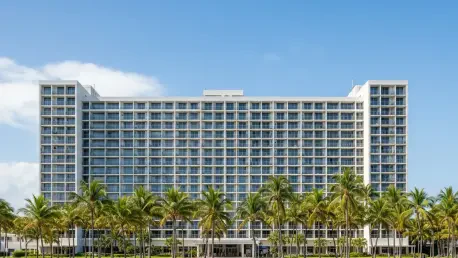
At the core of the dispute are the roughly 7,000 properties collectively known as the “Minatoya List.” These units, located in apartment-zoned districts, have operated legally as short-term vacation rentals for decades, benefiting from a grandfathered zoning exemption that predates modern regulations. For these property owners, their status was not a loophole but a long-standing, officially recognized condition of their investment. Bill 9 dismantles this historical arrangement by establishing a firm timeline for cessation. The phase-out is staggered, with a deadline of January 1, 2029, for properties in the heavily tourism-dependent area of West Maui, and a subsequent deadline of January 1, 2031, for all other affected units across the county. This multi-year runway, according to the county, provides a reasonable transition period. However, for the owners, it represents the definitive end of a business model they have relied upon for years, transforming what they view as a secure, income-generating asset into a far less lucrative long-term rental, thereby fundamentally altering the nature and value of their property.
The Legal Battle Unfolds
The Constitutional Challenge of a “Regulatory Taking”
The legal opposition to Bill 9 is anchored in the constitutional principle prohibiting the government from taking private property for public use without providing “just compensation.” The two lawsuits filed against Maui County, Malter v. Maui County and the class-action suit Lynam v. County of Maui, both argue that the new law constitutes a “regulatory taking.” This legal doctrine asserts that even if the government does not physically seize a property, a regulation can be so restrictive that it effectively destroys the property’s economic value, which is functionally equivalent to a taking. The plaintiffs contend that by eliminating the long-established and most economically viable use of their properties—short-term renting—the county is stripping them of their investment’s worth. Their filings specifically invoke Article 1, Section 20 of the Hawaiʻi Constitution, which mirrors the Takings Clause of the U.S. Constitution. They claim the county’s action is “wrongful, oppressive and unreasonable,” resulting in a “total denial of plaintiffs’ viable economic use of their property” and demanding financial restitution for this alleged infringement.
Vested Rights and the Quest for an Injunction
A central pillar of the plaintiffs’ case is the concept of “vested property rights.” They argue that because Maui County permitted, and by extension sanctioned, the operation of these units as STRs for nearly 45 years, owners developed a legitimate, legally protected expectation to continue that use. This long history, they assert, distinguishes their situation from that of newer, unpermitted rentals and establishes a right that cannot be extinguished by a simple change in legislation without compensation. In court, the property owners are pursuing immediate and decisive remedies. Their primary request is for a preliminary injunction, a court order that would halt the enforcement of Bill 9 while the legal proceedings continue. Beyond that, they seek a declaratory judgment that the law is fundamentally unconstitutional and unenforceable. Should the court find a taking occurred, they are demanding “full and just compensation” for their diminished property values and the loss of income, in addition to having their substantial attorneys’ costs covered by the county. Experts noted these legal challenges were predictable, especially since federal courts had previously blocked similar attempts to restrict STRs on Oʻahu, setting a potentially difficult precedent for Maui officials to overcome.
Navigating a Precarious Legal and Social Landscape
The legal actions initiated against Maui County marked a critical turning point in the island’s recovery and its long-term policy direction. The core of the dispute crystallized around two competing, and perhaps irreconcilable, principles: a community’s sovereign right to regulate land use for the public good and an individual’s constitutional right to the economic enjoyment of their private property. The county government, compelled by an unprecedented housing emergency, acted decisively to prioritize its residents, a move that property owners felt unjustly penalized them for legally established and long-standing business practices. The resulting lawsuits placed the judiciary in the difficult position of weighing a public policy crisis against fundamental property rights protected by both state and federal constitutions. The ultimate resolution of these cases was set to establish a powerful precedent, one that would inevitably influence how other municipalities across the United States attempt to balance the explosive growth of the vacation rental industry against the pressing need for affordable and available local housing.