
Stepping onto a ship’s deck when the air carries a crisp, autumnal bite or the first scent of a spring thaw offers a sensory depth that the sweltering heat of July simply cannot replicate. For many travelers, the allure of the world’s most dramatic landscapes is often heightened during these transitional months, yet the traditional travel calendar often overlooks them in favor of the mid-summer rush. Fred Olsen Cruise Lines is currently challenging this convention by unveiling a strategic promotional window that rewards those who choose to explore the world between September 2026 and April 2027. This initiative provides a rare intersection of luxury and fiscal prudence, offering significant savings for voyages that prioritize atmospheric beauty over crowded boardwalks.
The Financial Incentive: Behind Your Next Great Autumn or Spring Escape
The current economic landscape of travel is shifting, as savvy explorers move away from inflated peak-season pricing toward the refined value of the “shoulder season.” Fred Olsen has officially opened a savings window, running through April 30, which allows passengers to secure cabins for up to fifty euros less per person on select itineraries. This is not merely an attempt to fill vacant rooms; it is a calculated effort to encourage a more sustainable pace of tourism. By lowering the barrier to entry for voyages during these months, the cruise line ensures that high-demand destinations remain accessible to those who value a quieter, more contemplative journey.
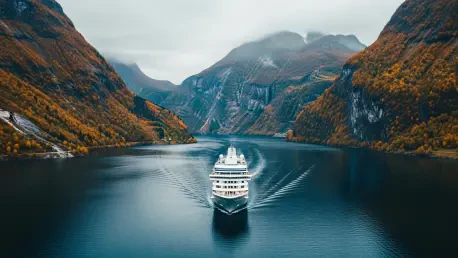
Choosing to sail during these months allows travelers to witness the transformation of nature—the first dusting of snow on a Norwegian peak or the subtle awakening of a Scottish glen—without the environmental and social pressures of mass tourism. This strategic timing benefits the passenger’s wallet while simultaneously providing a more authentic connection to the destination. For the industry, this approach fosters year-round economic resilience for port towns that traditionally experience a sharp decline in revenue once the summer crowds depart. It creates a win-win scenario where the traveler saves money and the local community gains steady support.
Redefining the Value: The Shoulder Season in Modern Travel
Timing has become as critical as the destination itself in the modern travel industry, particularly as major European hubs deal with the effects of overtourism. The shoulder season—those sweet spots in autumn and spring—has emerged as the gold standard for discerning travelers who seek “mindful timing.” This philosophy suggests that the best way to experience a culture is to visit when the locals have reclaimed their streets and the pace of life has returned to its natural rhythm. By incentivizing travel during these periods, Fred Olsen is responding to a growing demand for experiences that feel exclusive and personal rather than mass-produced.
Moreover, the ecological benefits of spreading travel volume throughout the year cannot be overstated. When tourism is concentrated into a few short months, it places immense strain on local infrastructure and delicate ecosystems. Distributing this footprint across the 2026-2027 calendar allows for a more gentle interaction with the environment. This shift toward seasonal diversity is becoming a hallmark of responsible cruising, ensuring that the very beauty travelers come to see is preserved for future generations. It is a transition from “bucket-list” ticking to a more profound, rhythmic engagement with the planet.
Exploring the Itinerary: Highlights and Fleet Logistics
The 2026-2027 schedule is built around a specialized fleet of smaller vessels, including the Bolette, Borealis, and Balmoral. Unlike the industry’s “mega-ships,” these ships are designed for intimacy and maneuverability, allowing them to navigate narrow waterways and dock at smaller, UNESCO-listed ports that remain out of reach for larger liners. This “small-ship advantage” is the heartbeat of the promotion, as it ensures that “off-peak” never feels like “second-best.” Passengers can glide into the heart of a fjord or dock steps away from a historic village, avoiding the long shuttle rides and logistical hurdles associated with larger ports.
To further reduce the friction of travel, these voyages depart from multiple regional hubs across the UK, including Southampton, Liverpool, Newcastle, and Rosyth. This regional connectivity allows passengers to begin their holiday almost immediately, bypassing the stress of major international airport hubs. The itineraries themselves cover a vast climatic range, from the rugged, Aurora-prone coasts of Norway and the wildlife-rich Scottish Isles to the “eternal spring” of the Canary Islands and the Azores. Whether one seeks the icy majesty of the north or the temperate sun of the Mediterranean’s Amalfi Coast, the fleet is positioned to deliver a premium experience.
Collaboration: National Tourism Bodies and Regional Impact
The success of these shoulder season initiatives is bolstered by strong partnerships with national tourism organizations like VisitNorway and VisitScotland. These boards endorse small-ship cruising as a sustainable way to engage with delicate ecosystems while supporting local heritage. For instance, when the Balmoral visits the Hebrides or Orkney, it brings a manageable number of visitors who are more likely to engage deeply with local history and artisanal businesses. This collaboration ensures that the cruise line’s presence is viewed as a benefit to the host community rather than an intrusion.
Furthermore, the use of UK departure ports creates a significant “ripple effect” for local domestic economies. Travelers often choose to participate in “staycation” extensions, spending a few days in cities like Liverpool or Newcastle before or after their cruise. This supports local hotels, restaurants, and attractions—such as the famous filming sites in Liverpool—long after the traditional summer tourist has gone home. By integrating these voyages into the local tourism fabric, Fred Olsen helps maintain the vitality of maritime gateways throughout the year, proving that the cruise industry can be a powerful engine for regional stability.
Practical Strategies: Securing Shoulder Season Savings
To maximize the benefits of this 2026-2027 promotion, travelers should approach the booking process with a clear framework. Because the Fred Olsen fleet operates on a smaller, more intimate scale, the most desirable cabins on niche itineraries—such as the Icelandic solar eclipse voyage—tend to fill quickly. Prospective passengers should act before the April 30 deadline to ensure they secure both the financial discount and their preferred ship. Choosing the right vessel is also key: the Balmoral is often the choice for rugged coastal exploration, while the Bolette and Borealis provide a bit more space for those prioritizing onboard comfort during longer journeys.
Travelers were encouraged to view these savings as an opportunity to upgrade their overall experience. By saving on the base fare, many found they could afford to extend their stay in the departure city or opt for more immersive shore excursions that were once out of reach. The transition toward this model of travel suggested that the industry was moving toward a more thoughtful, less frantic future. Ultimately, the 2026-2027 initiatives proved that the most rewarding journeys occurred when one stepped away from the crowd and embraced the quiet, unfolding beauty of the world’s changing seasons. Future travelers will likely look to these specific months as the ideal window for balancing adventure with environmental stewardship.