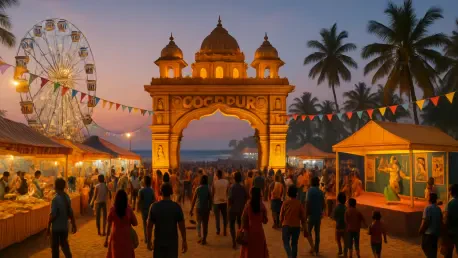

Beyond its scenic shores and rhythmic waves, Odisha’s extensive coastline is being strategically reimagined as a powerful engine for economic growth and cultural revitalization, a vision brought to life with the grand inauguration of the Gopalpur Beach Festival. Officially launched by Odisha Governor Dr. Hari Babu Kambhampati, the event is poised to become a cornerstone of the state’s tourism strategy, transforming the historic port town of Gopalpur into a vibrant cultural epicenter. The festival is meticulously designed not just as an attraction but as a comprehensive platform to showcase the region’s rich heritage, support local artisans, and create sustainable economic opportunities. By blending ancient traditions with contemporary entertainment, organizers aim to elevate Gopalpur’s profile on both the national and international stages. The initiative represents a significant convergence of history and modern ambition, drawing inspiration from the state’s ancient maritime legacy while charting a new course for its future as a premier coastal destination. The significant government presence at the opening ceremony further signaled a unified commitment to leveraging cultural assets for broad-based regional development.
A Fusion of Culture and Commerce
The festival’s inauguration was marked by a series of unique ceremonies that seamlessly blended reverence with spectacle, setting a high-energy tone for the days to follow. A standout moment was the grand Sea Aarti performed by saints from Varanasi, an elaborate ritual described as a virtual first for Odisha, which captivated attendees and symbolized a spiritual blessing for the event. This was complemented by a torch procession that commenced simultaneously from three major local temples, uniting the community in a shared sense of purpose and celebration. The cultural stage, dedicated to the revered literary figure Kabi Samrat Upendra Bhanja, serves as the festival’s artistic heart. It hosts a dazzling array of performances from local and national troupes, featuring diverse classical and folk dance forms. Audiences can experience the grace of Odissi, the vibrant energy of Sambalpuri and Bihu, the intricate storytelling of Kuchipudi, and the powerful rhythms of Ghumura. This rich cultural tapestry is further enhanced by a “Star Nights” concert series, headlined by renowned artists like B Praak, ensuring a dynamic and modern entertainment experience that appeals to a wide demographic of visitors.
The event’s organizers have skillfully integrated robust commercial activities into the cultural fabric of the festival, creating a thriving marketplace that directly benefits the local economy. A central feature is the massive Pallishree Mela, an expansive fair featuring approximately 250 stalls that serve as a crucial platform for local artisans and entrepreneurs. This marketplace showcases an impressive variety of products from Self-Help Groups, offering everything from intricate handicrafts and handloom textiles to other locally produced goods. This direct-to-consumer model empowers producers and provides visitors with authentic, high-quality souvenirs. Alongside the Mela, a sprawling food festival with around 50 stalls presents a culinary journey through the diverse flavors of Odisha and beyond. This gastronomic element not only satisfies the palates of thousands of daily visitors but also provides a significant boost to local restaurateurs and food vendors. Together, these components transform the festival from a purely cultural spectacle into a powerful economic catalyst, fostering sustainable livelihoods and promoting the region’s unique industries to a broader audience.
A Unified Vision for Regional Development
The significant presence of high-level government officials at the inauguration ceremony underscored a unified and strategic commitment to the festival’s success and the broader vision it represents. The attendance of the Governor, alongside state ministers for Law, Commerce & Transport, and Fisheries, as well as local MLAs and top district administrators, sent a clear message of cohesive support. In his inaugural address, the Governor articulated a central theme: the strategic use of cultural events to propel economic development. He eloquently connected the festival to Odisha’s deep-rooted history, referencing the ancient maritime trade of the Sadhabas of Kalinga to illustrate the state’s historical global outlook. This narrative frames the coastline not merely as a geographical feature but as a vital source of livelihood and aspiration, a legacy that the current administration aims to build upon. This collective viewpoint highlights a deliberate governmental push to diversify the local economy, moving beyond traditional sectors by investing heavily in the rich potential of culture and tourism as drivers of prosperity and global recognition.
This unified vision materialized in a festival designed to be a pivotal initiative for the Ganjam district and the state at large. The consensus among all speakers was that the event serves as more than just entertainment; it is a catalyst for comprehensive regional advancement. The overarching goal is to leverage Odisha’s natural assets—its pristine beaches and rich cultural heritage—to create a globally recognized tourism hub. By attracting a diverse mix of domestic and international tourists, the festival is expected to generate a ripple effect across the local economy, boosting hospitality services, supporting small businesses, and providing a significant platform for artisans to showcase their skills to a wider market. The event’s multifaceted program, which includes beach sports, large-scale exhibitions, and high-profile concerts, was strategically curated to appeal to a broad audience, ensuring maximum participation and economic impact. The inauguration thus marked the launch of a festival and the reaffirmation of a long-term strategy to place Gopalpur and Odisha firmly on the global tourism map.