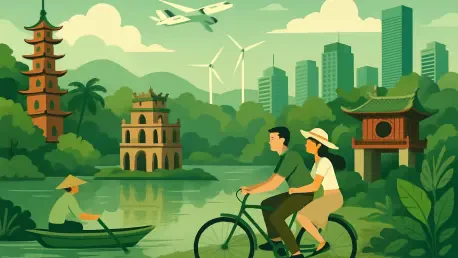

As global travelers increasingly seek authentic and sustainable experiences, Vietnam’s capital city is embarking on a transformative initiative to harmonize its thousand-year-old heritage with the pressing needs of modern, environmentally conscious tourism. The city has officially inaugurated its 2026 tourism season with a landmark three-day event, “Hanoi Tourism Welcomes 2026 – Get On Hanoi 2026,” hosted at the Tay Ho Creative Cultural Space. This launch event, themed “A Green Journey,” is more than a celebration; it represents a comprehensive strategic pivot toward sustainable and quality-driven development, aiming to solidify Hanoi’s position as a premier culture-led destination where ancient history and creative energy converge. The strategy signals a definitive move away from mass tourism toward a model that prioritizes environmental stewardship, cultural preservation, and meaningful community engagement for a more resilient and appealing urban future.
A New Vision for Urban Tourism
This strategic shift represents a forward-thinking approach to urban development, where the tourism sector becomes a primary driver of sustainability. The city is weaving environmental and cultural preservation into the very fabric of its tourism offerings, aiming for a model that benefits visitors, residents, and the local ecosystem alike.
The Foundation of Green Principles
The core philosophy of “A Green Journey” is rooted in the promotion of a responsible tourism model that actively supports environmental protection, safeguards invaluable cultural assets, and fosters the economic development of local communities. This initiative, spearheaded by the Hanoi Department of Tourism, is a deliberate effort to strengthen the intrinsic connection between tourism activities and the conservation of the natural world. It involves a meticulous plan to protect heritage sites not just as attractions but as living cultural legacies. By integrating these principles, Hanoi seeks to cultivate a more sustainable urban future, moving beyond simple sightseeing to offer deeper, more meaningful visitor experiences. This strategy is designed to build an enduring reputation for Hanoi as a destination that is not only safe and high-quality but also profoundly appealing to travelers who value authenticity and environmental responsibility, setting a new standard for urban tourism in the region.
The implementation of this green strategy addresses the evolving expectations of the modern traveler, who is increasingly informed and concerned about the impact of their journeys. The focus extends beyond traditional metrics of visitor numbers to encompass the quality and sustainability of the tourism ecosystem. This involves safeguarding heritage assets from the pressures of over-tourism while simultaneously finding innovative ways to share them with the world. The city’s plan involves developing infrastructure and services that minimize environmental footprints, such as promoting public transport, encouraging waste reduction programs at tourist sites, and supporting businesses that adopt green practices. By fostering a sustainable urban environment, Hanoi not only enhances its appeal to international and domestic visitors but also improves the quality of life for its residents, ensuring that the benefits of tourism are distributed equitably and contribute positively to the city’s long-term resilience and prosperity.
Curating a Diverse and Sustainable Itinerary
A central component of this initiative is the official launch of over 80 new signature tourism products for 2026, each meticulously designed to reflect the city’s commitment to sustainability and innovation. These offerings move decisively away from generic tour packages, focusing instead on green, experiential, creative, and community-based travel. Examples include agricultural tours that connect visitors with local farming practices, eco-trekking routes in the city’s verdant outskirts, and workshops centered on traditional crafts. This diverse portfolio is a direct response to the sophisticated demands of contemporary travelers who seek immersive and personalized experiences. By creating these unique products, Hanoi is not just adding attractions but is building a multifaceted tourism ecosystem that encourages longer stays, deeper engagement with the local culture, and a greater appreciation for the delicate balance between development and preservation. This approach also aims to distribute tourism’s economic benefits more widely, empowering local communities and small businesses.
Further reinforcing this commitment, the city has formally recognized three new key tourist destinations, each chosen to exemplify the core tenets of the new strategy. The Hanoi Botanical Garden is highlighted as a sanctuary of urban biodiversity and a space for ecological education. The Thiet Ung Fine Woodcraft Village offers an authentic glimpse into the region’s rich artisanal heritage, allowing visitors to engage directly with master craftspeople and understand the cultural significance of their work. Similarly, the Thuy Lam Tourist Destination is being developed as a model for community-based cultural tourism, where local residents are active participants and beneficiaries. The inclusion of these sites on Hanoi’s official tourism map is a strategic move to expand the city’s offerings beyond the well-trodden paths of the Old Quarter. It showcases a broader, more diverse vision of the capital, one that celebrates its ecological assets, honors its traditional craft villages, and champions community-led initiatives, reinforcing a development model that respects both heritage and the environment.
Celebrating Culture and Fostering Collaboration
The three-day launch event was designed as a vibrant, immersive festival that not only introduced the new strategy but also brought it to life through a series of engaging cultural showcases and interactive experiences. It served as a dynamic platform for demonstrating the city’s renewed focus on heritage, creativity, and regional partnerships.
An Immersive Launch Experience
The program at the Tay Ho Creative Cultural Space was conceived as a comprehensive sensory experience, featuring a dynamic blend of exhibitions, interactive destination promotions, and captivating cultural performances. It provided attendees with a tangible preview of Hanoi’s new tourism direction. A major highlight was a spectacular 3D mapping light show projected onto the ancient walls of the Thang Long Imperial Citadel, which artfully narrated the city’s history and its forward-looking vision for a green future. This fusion of ancient architecture and modern technology perfectly symbolized the event’s theme of harmonizing heritage with innovation. In addition, the event introduced a series of novel activities, including guided night cycling tours that offered a unique perspective on the city’s illuminated landmarks and dedicated tourist routes designed to explore the rich craft villages and emerging green tourism experiences in Hanoi’s suburban districts, encouraging visitors to venture beyond the city center.
These immersive activities were carefully curated to showcase the practical application of the city’s green tourism strategy. The exhibitions featured local businesses and community cooperatives that are pioneering sustainable practices, from eco-friendly accommodations to tour operators focused on low-impact travel. The destination promotions went beyond simple brochures, using virtual reality and interactive displays to transport visitors to the newly recognized sites like the Thiet Ung Fine Woodcraft Village and the Hanoi Botanical Garden. The cultural showcases were not passive performances but opportunities for engagement, with workshops on traditional arts and crafts. By designing the event in this interactive manner, organizers aimed to do more than just announce a new policy; they sought to build a coalition of support among industry stakeholders, residents, and future visitors, creating a shared sense of excitement and responsibility for Hanoi’s sustainable tourism journey.
Integrating Heritage and Regional Partnerships
A significant cultural centerpiece of the launch was the “Mong New Year on the Streets 2026,” a vibrant recreation of the traditional New Year celebrations of the Mong ethnic group. This event, held on January 31, brought the unique customs of the northern highlands to the heart of the capital, complete with authentic rituals, traditional folk games, and lively cultural performances. A special presentation marked the 10th anniversary of this cultural showcase, underscoring the city’s long-term commitment to preserving and promoting the diverse heritage of Vietnam’s ethnic minorities. By integrating such authentic cultural experiences into its mainstream tourism promotion, Hanoi demonstrates a sophisticated understanding of tourism as a vehicle for cultural exchange and preservation. This showcase served as a powerful example of how the city’s new strategy aims to protect intangible cultural assets by providing a platform for their celebration and ensuring their continuity for future generations.
The following day, the event broadened its scope to emphasize the importance of regional collaboration with the “Gia Lai Tourism Festival in Hanoi.” This festival was organized as part of the National Tourism Year – Gia Lai 2026, a nationwide initiative to promote tourism in the Central Highlands. The showcase brought the distinctive culture and natural beauty of Gia Lai to Hanoi, featuring demonstrations of regional cuisine, exhibitions of intricate handicrafts, and mesmerizing gong performances, a UNESCO-recognized intangible cultural heritage. This collaboration highlights a key element of Hanoi’s strategy: positioning the capital not as an isolated destination but as a gateway to the diverse attractions of Vietnam. By fostering these inter-regional partnerships, Hanoi helps drive tourism development across the country, creating a more interconnected and resilient national tourism industry and offering travelers more comprehensive and varied itineraries.
A Confluence of Heritage and Innovation
The three-day event successfully established a clear and compelling vision for the future of tourism in Hanoi. Through a carefully orchestrated blend of policy announcements, new product launches, and vibrant cultural showcases, the city articulated its commitment to a development model where sustainability, heritage, and creativity converge. The immersive activities, from the technological marvel of the 3D mapping show at the Imperial Citadel to the authentic cultural recreation of the Mong New Year, provided tangible proof of this new direction. The strategic recognition of new ecological and cultural destinations, coupled with the emphasis on regional collaboration, demonstrated a holistic approach that looked beyond immediate gains to foster long-term resilience and appeal. Ultimately, the launch of “A Green Journey” marked a pivotal moment, setting a confident and forward-thinking tone for a year focused on experience-driven tourism and inviting the world to explore a capital city redefining its relationship with its past and its future.