
Katarina Railko is a distinguished expert in the hospitality and luxury travel sector, having refined her expertise through years of high-level engagement with global tourism brands and large-scale international expos. Her deep understanding of guest psychology and operational excellence has made her a prominent voice in the industry, particularly in the evolution of lifestyle brands. Today, we explore the debut of the first Hotel Indigo in the Turks and Caicos, examining how this property balances intimate boutique charm with the high standards of a global hospitality leader. Our discussion delves into the fusion of Caribbean aesthetics with modern design, the strategic development of local-first culinary programs, and the shift toward “neighborhood” tourism that encourages travelers to step beyond the resort gates.
This 56-room property marks a significant brand debut in the Turks and Caicos market. How does this intimate scale influence the guest experience compared to larger resorts, and what operational steps were taken to align global hospitality standards with the laid-back rhythms of Grace Bay?
The decision to limit the property to just 56 rooms was intentional, as it fosters a sense of privacy and exclusivity that larger, sprawling resorts simply cannot replicate. On an operational level, we’ve prioritized a “high-touch” service model where staff can anticipate guest needs before they are even voiced, creating a seamless transition from the 15-minute airport transfer to the check-in process. To align our global standards with the island’s natural pace, we focused on “island time” efficiency—ensuring that while the service is professional and precise, the atmosphere remains unhurried and calm. By maintaining a smaller footprint, we allow our team to deliver a more personalized narrative of the neighborhood, ensuring every guest feels like a resident rather than a room number. This intimate scale is the foundation of our “curated moments” philosophy, where the focus is on the quality of the interaction rather than the volume of guests.
The interior design incorporates kite-surfing motifs, woven textural art, and tropical timber paneling. How do these specific aesthetic choices help immerse a curious traveler in the local culture, and what role does the rotating art gallery play in maintaining a constant connection with island makers?
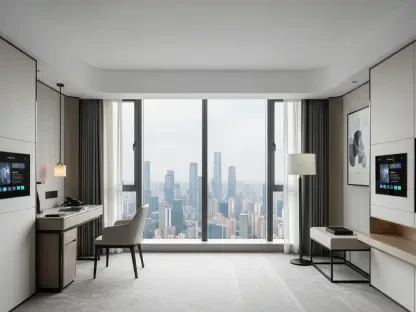
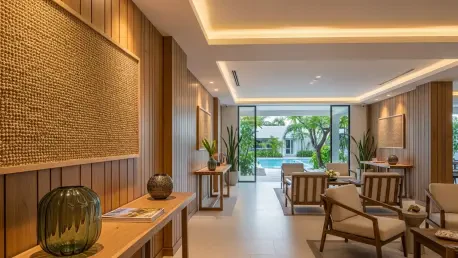
Our design philosophy centers on storytelling through tactile and visual elements, using motifs like kite-surfing and timber paneling to evoke the spirit of the local adventure scene and the island’s natural flora. These aesthetic choices serve as constant, subtle reminders of the Grace Bay environment, blending contemporary elegance with the sun-washed tones of the Caribbean. The rotating art gallery is perhaps our most dynamic connection to the community, as it transforms our public spaces into a living exhibition for local makers and craftsmen. This initiative ensures that the hotel’s atmosphere is never static, providing a platform for island artists to share their perspectives with an international audience. By integrating these local narratives into the very walls of the hotel, we provide our guests with a cultural immersion that starts the moment they step into the lobby.
Dining options include Il Forno’s Italian-Caribbean fusion and Brango’s urban coffee concept. How were these menus developed to appeal to both international palates and local flavors, and what unique challenges arise when sourcing ingredients for specialty fare and rum-forward cocktails on the island?
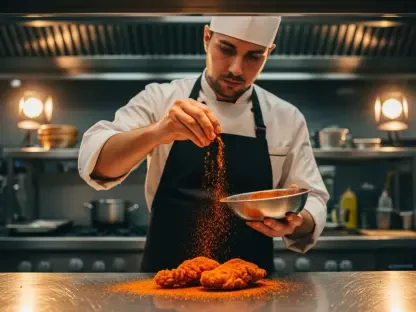
The culinary strategy at Il Forno was to take the comfort of traditional Italian cuisine—like oven-baked pizzas—and elevate it with bold, Caribbean twists that utilize local spices and fresh seafood. For Brango, we wanted to capture the energy of a sophisticated urban coffee shop, offering a high-end “grab-and-go” experience for guests who are eager to start their day on the beach or exploring the coast. Sourcing on an island always presents logistical hurdles, particularly when maintaining the consistency required for specialty fare, but we have built strong relationships with local purveyors to ensure our rum-forward cocktails feature authentic island flavors. Balancing the expectations of global travelers with the availability of seasonal island produce requires a menu that is both flexible and creative. We view these dining outlets as social hubs that invite conversation, bridging the gap between familiar international standards and the vibrant tastes of Turks and Caicos.
Guests are provided with cruiser bicycles, suggested coastal routes, and a dedicated beach buggy service. What was the strategy behind offering these specific mobility options, and how do these “neighborhood” perks change the way travelers engage with the coastline compared to a traditional enclosed resort?
The core of our brand identity is the “neighborhood” concept, which aims to break down the walls of the traditional enclosed resort and encourage guests to truly inhabit Grace Bay. By providing cruiser bicycles and curated coastal routes, we empower travelers to discover hidden gems and local spots at their own pace, transforming a standard vacation into a journey of discovery. The beach buggy service adds a layer of effortless luxury, making the 400-meter journey to our dedicated beach setup seamless while keeping guests connected to the outdoor environment. This mobility strategy shifts the guest’s focus from staying within a confined property to exploring the surrounding 12 miles of world-class coastline. It promotes a more active and authentic engagement with the island, where the hotel serves as a stylish home base rather than a total destination.
The hotel features interconnecting rooms, an outdoor cinema, and a patterned infinity pool. How do you balance the needs of solo travelers seeking serenity with the logistics of multi-generational groups, and what specific amenities ensure the property caters to both high-energy play and quiet relaxation?
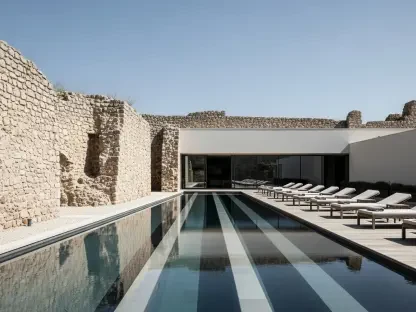
Balancing diverse guest demographics requires a thoughtful layout that provides both communal high-energy zones and secluded pockets of tranquility. Our 56 rooms include interconnecting options specifically designed for multi-generational families, allowing them to stay close while maintaining individual privacy. The outdoor cinema and the patterned infinity pool serve as vibrant gathering points for families and social groups, while tucked-away “gathering nooks” offer solo travelers a quiet space for reflection or remote work. We also provide a wide range of amenities, from high-octane gear like jet skis and paddleboards for the adventurous, to plush bathrobes and dedicated workspaces for those seeking a slower pace. This duality ensures that whether a guest is looking for a lively social scene or a silent retreat by the water, the property adapts to their personal rhythm.
What is your forecast for the luxury hospitality market in Turks and Caicos?
The market is currently shifting toward “boutique-luxury,” where travelers are increasingly prioritizing authenticity and local connectivity over massive, anonymous resort complexes. We are seeing a 20% to 30% increase in demand for properties that offer personalized, experiential stays, which suggests that the future of Turks and Caicos lies in intimate, design-forward hotels like ours. As global travelers become more discerning, they will look for destinations that provide high-end amenities—such as curated beach setups and bespoke excursions—while still feeling integrated into the local community. I predict that we will see a surge in investments focusing on sustainability and “neighborhood” storytelling, as these are the elements that create lasting emotional connections with guests. Ultimately, the success of the region will depend on its ability to maintain its “laid-back” charm while meeting the sophisticated service expectations of a modern, global audience.