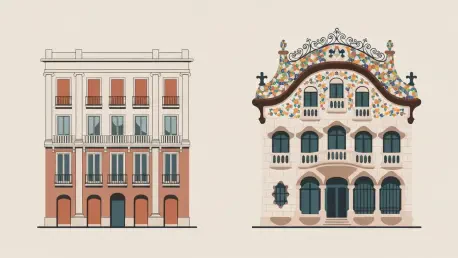

When a city’s identity becomes inextricably linked with a single artistic genius, the rich tapestry of its cultural evolution can often be overshadowed, leaving other significant movements to languish in relative obscurity. For decades, Barcelona has been synonymous with the fantastical, organic forms of Antoni Gaudí and the Modernisme movement he championed, a style so dominant that it often forms the entirety of a visitor’s architectural understanding. However, as the city steps into the international spotlight as the 2026 UNESCO–UIA World Capital of Architecture, a unique initiative is inviting connoisseurs and travelers alike to look beyond the famous spires and mosaics. A new cultural experience delves into the quieter, more classical revolution that followed, revealing a deliberate and rational vision for the modern metropolis. This exploration centers on Noucentisme, a critical yet lesser-known movement that sought to impose order, balance, and civic-minded classicism in direct response to the perceived excesses of its predecessor, profoundly shaping the city’s urban fabric in the process.
A Centenary Celebration of Design
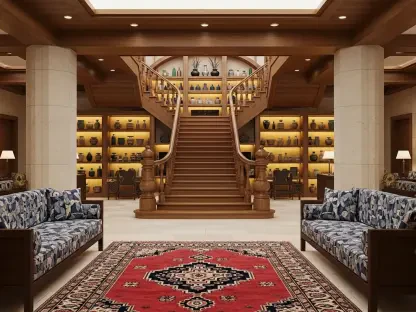
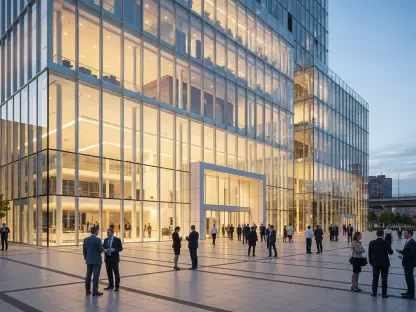
Marking a confluence of significant milestones, the Grand Hotel Central has partnered with Barcelona Design Tours to launch “100 Years of Design,” an experience curated to coincide with both the city’s global architectural designation and the centenary of the hotel’s own landmark building. Constructed in 1926, the hotel, designed by the influential architect Adolf Florensa, stands as a prime example of the Noucentista style that the tour aims to illuminate. The movement emerged in the early 20th century as a philosophical and aesthetic counterpoint to Modernisme. Where Gaudí embraced nature-inspired asymmetry and opulent ornamentation, Noucentisme championed principles of clarity, harmony, and a return to classical Mediterranean roots. It was a movement less about individualistic expression and more about creating a coherent, functional, and beautiful urban environment for a modern society. The tour thoughtfully unpacks this narrative, using the hotel not merely as a meeting point but as a central artifact that embodies the era’s ideals of rational elegance and civic pride.
A Curated Path Through Urban History
The journey offers an exclusive and immersive look into the legacy of the architects and patrons who reshaped Barcelona. Participants gain private access to the former penthouse of Francesc Cambó, the building’s original patron and a towering political figure whose influence was instrumental in promoting the Noucentista vision. Here, original rooms and preserved gardens offer a rare glimpse into the sophisticated world that fostered this cultural shift. The experience then moves into the city itself with a guided walk along Via Laietana, a grand avenue that was itself a Noucentista project, carved through the old city to create a modern thoroughfare. Lined with buildings by the movement’s most important figures, the street serves as a living gallery of the style’s evolution. The tour culminates with an interior visit to the magnificent Edifici Correus, the city’s central post office. Considered one of the greatest public works of the era, its monumental scale and classical grandeur perfectly articulate the movement’s ambition to build institutions that reflected a new, orderly, and forward-looking Catalonia, revealing a cohesive story of the ideals that quietly built the modern city.