
With Houston’s transportation network grinding to a halt under a rare winter freeze, we turned to hospitality and travel expert Katarina Railko to make sense of the chaos. From the confusing status of the city’s airports to the intricate dance of treating icy overpasses and the differing capabilities of bus and rail systems, Railko provides a clear-eyed analysis of how a major metropolis navigates an icy shutdown.
Houston airports stated they are “open and operational,” yet over 100 flights were canceled at Bush and Hobby combined. Could you walk us through the decision-making process for these cancellations and explain what “operational” truly means for stranded travelers on a day like this?
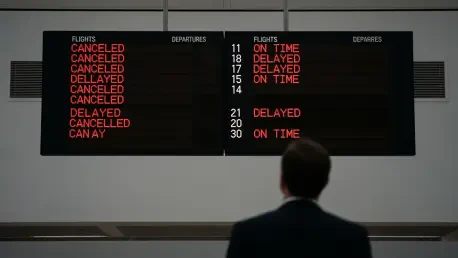
That term “open and operational” can feel incredibly frustrating when your flight is one of the 82 canceled at Bush or 24 at Hobby. What it means from the airport authority’s perspective is that the runways are clear, the terminals have power, and ground staff are in place. However, the final decision to fly rests with individual airlines. They are looking at a much bigger picture: Can they get their flight crews safely to the airport? Do they have the de-icing equipment and personnel to service the plane? Even if Houston is “operational,” a problem elsewhere in their network can cause a ripple effect that cancels a flight heading here. For the stranded traveler, it means the airport is a physically open space, but it’s not a guarantee of departure.
With Houston TranStar reporting 15 icy locations on major arteries like I-45 and the 610 North Loop, what unique challenges do these specific overpasses present for emergency crews? Please detail the step-by-step process used to treat these hazardous spots and make them safe.
Overpasses and bridges are the Achilles’ heel of any city during a freeze. Unlike roads built on solid ground, they have cold air circulating above and below them, causing them to freeze much faster. Spots like the 610 North Loop at McCarty or I-45 at Airline are elevated and highly exposed, becoming treacherous sheets of ice while the surface streets might just be wet. The process to treat them is meticulous. First, crews identify these high-risk areas. Then, they deploy spreader trucks to lay down a layer of sand or a brine solution, which lowers the freezing point of water. This isn’t a one-and-done job; with temperatures staying below freezing, they have to continually monitor and re-treat these 15 critical locations to prevent ice from reforming, ensuring emergency vehicles and, eventually, the public can pass safely.
METRO delayed bus service until at least noon while METRORail operated on a weekend schedule. Can you explain the logistical differences that allow the rail to run when buses cannot? Please describe the specific safety inspections a bus route must pass before being cleared for service.
The difference really comes down to the path of travel. The METRORail runs on a fixed, dedicated steel track. This track is a controlled environment that is less susceptible to widespread, unpredictable icing than miles of open asphalt. It’s a much simpler and safer system to keep clear. Buses, on the other hand, have to navigate the exact same hazardous roads as every other vehicle. Before a bus route is cleared, a safety inspection vehicle must physically drive the entire route. They are looking for any of those icy patches TranStar reported, especially on overpasses or tight turns. If even one section of that route is deemed unsafe, the entire route remains suspended until conditions improve, which is why we saw that system-wide delay until at least noon.
Flight cancellations were far lower on Monday compared to Sunday, yet schools and many businesses remained closed. What does this contrast tell us about the recovery timeline, and how do transportation authorities coordinate with city officials on decisions to resume normal operations?
This contrast tells us that recovery happens in distinct, separate phases. The sharp drop in cancellations from Sunday—when Bush had 472—to Monday’s 82 shows that the aviation system can rebound relatively quickly once the initial weather event passes and airlines reset their schedules. However, local ground transportation is a completely different beast. The decision to keep schools and businesses closed is based on the safety of millions of individual commutes. City officials are looking at TranStar’s reports of those 15 icy roadway sections and METRO’s delayed start. They know that even if the airports are getting back on track, asking hundreds of thousands of people to navigate treacherous local streets is an unacceptable risk. It reveals that our large-scale infrastructure can recover faster than our sprawling, neighborhood-level road network.
What is your forecast for Houston’s transportation systems over the next 24-48 hours?
Looking ahead, the forecast for Houston’s transportation is one of cautious and gradual improvement. The key factor will be temperature. As long as we stay near or below freezing, especially overnight, those icy patches on elevated roadways and bridges will remain a persistent threat. I expect road crews to be working around the clock, but drivers should anticipate continued warnings for specific overpasses. For public transit, METRO will likely restore more services, but riders should brace for delays as drivers operate with extreme caution. At the airports, the number of cancellations should continue to decrease significantly, but passengers will still feel the ripple effects of delayed crews and displaced aircraft for at least another day or two. The system won’t just snap back to normal; it will be a slow thaw back to full operational capacity.