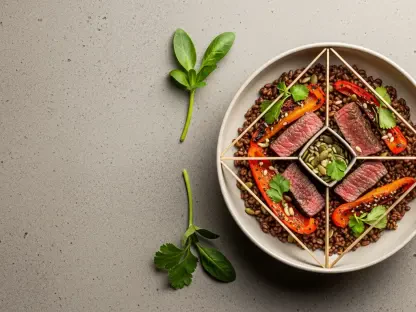

In the realm of global hospitality, few dishes carry as much cultural weight or evoke as much passion as a perfectly seared piece of beef. Whether it is the communal fire of a South American pampa or the meticulous craftsmanship of a Tokyo kitchen, steak serves as a universal language of celebration and identity. To explore the nuances of this global phenomenon, we are joined by Katarina Railko, a hospitality expert with deep roots in international tourism and events. In our discussion, we delve into the regional rituals that define beef preparation, from the importance of “vibe” in Argentina to the technical precision of French butchery and the iconic luxury of the American steakhouse.
The Argentine asado is traditionally a communal ritual involving slow-roasting meat over low heat. How does the specific preparation of bone-in ribs like tira de asado influence the social flow of the meal, and what technical skills are necessary to manage the fire for these thin cuts?
In Argentina, the tira de asado is far more than just a menu item; it is the heartbeat of a social gathering that can last an entire afternoon. These thin, cross-cut ribs require a profound understanding of fire management because they are delicate despite being bone-in. A chef must maintain a consistent, low heat to ensure the fat renders without charring the thin layers of meat, a process that demands constant attention and patience. As these ribs sizzle slowly, it creates a deliberate pause in the meal, allowing guests to engage in deep conversations about football, politics, and friendship. The ritual usually starts with smaller morsels like chorizo or kidneys, building anticipation until the ribs are served as the ultimate statement of the host’s skill.
In Japan, steak culture emerged in the 19th century and evolved toward a focus on craftsmanship and marbling. What specific culinary steps ensure the purity of the fat is maintained during cooking, and how does serving beef with rice and miso soup alter the traditional steakhouse experience?
The Japanese approach to steak is defined by an almost spiritual focus on the character of the ingredient, particularly with premium varieties like Wagyu or Kobe. To maintain the purity of the fat, chefs often use a teppanyaki grill or charcoal, applying precise temperatures that allow the marbling to melt at a low point without smoking or breaking down the delicate flavor. Unlike the heavy, butter-laden finishes seen elsewhere, Japanese steak is often finished simply with salt, pepper, or a touch of soy sauce to let the beef speak for itself. When you pair this rich, fatty meat with steamed white rice and a bowl of savory miso soup, the experience shifts from a heavy protein-centric meal to a balanced, structured composition. The rice acts as a clean palate cleanser, while the soup provides a salty, fermented depth that cuts through the intense richness of the beef.
The bistecca alla Fiorentina is a massive T-bone cut that serves as a centerpiece for celebrations in Tuscany. Why is it essential to cook this meat at room temperature without prior seasoning, and what unique flavor characteristics does noble oak wood provide during the grilling process?
A true bistecca alla Fiorentina is an architectural marvel, often weighing no less than 1.5 kilograms, which makes temperature control absolutely critical. By bringing the meat to full room temperature before it ever touches the grill, the heat can penetrate the thick loin and fillet sections evenly, preventing a cold, raw center. We avoid seasonings like salt or oil during the cooking process to protect the integrity of the Chianina beef, allowing the diner to add high-quality extra-virgin olive oil at the table. The use of noble oak wood is non-negotiable, as it provides a clean, high-intensity heat and a subtle, earthen smoke that complements the beef rather than masking it with heavy char. It is a primal, ancestral method where the wood fire acts as the only necessary “sauce” for the meat.
Brazilian churrasco utilizes long metal skewers and a tableside carving service known as rodízio. How does the technique of grilling picanha with the fat facing the heat source impact the final flavor, and what roles do side dishes like farofa and vinegar-based salsas play in the meal?
The picanha, or top rump, is the undisputed star of Brazilian churrasco, and its preparation is a masterclass in flavor engineering. By folding the meat onto skewers with the thick fat cap facing the heat source, the fat renders and constantly bastes the meat as it rotates, creating an incredibly juicy and flavorful crust. This self-basting technique ensures that every slice carved tableside by the passadores is infused with a rich, buttery essence. To balance this intensity, we rely on farofa—toasted cassava flour—which provides a necessary crunch and absorbs the excess juices on the plate. Meanwhile, vinegar-based salsas and chimichurri provide a sharp acidity that cuts through the richness of the fat, allowing diners to enjoy multiple rounds of meat without feeling overwhelmed.
While French cuisine emphasizes the art of using every part of the animal, American steak culture often focuses on prized, luxury cuts like the porterhouse. How do these differing butchery philosophies affect menu curation, and what steps are required to achieve the “blue” or “rare” temperature favored in European bistros?
The French philosophy of “nose-to-tail” butchery means that bistro menus are often curated around a variety of textures, featuring cuts like bavette (flank) alongside the more common entrecôte. This requires a high level of skill to transform tougher sections into delicacies through precise slicing and saucing with classics like Béarnaise. In contrast, American steakhouses emphasize the luxury of the “king of steaks”—the porterhouse—which showcases two massive, tender muscles separated by a T-bone. To achieve a “bleu” or “rare” temperature, which is the gold standard in Europe, the steak must be seared very quickly at an extremely high heat to create a crust while leaving the interior barely warm and dark red. It requires a confident hand to pull the meat off the flame at the exact moment the exterior is caramelized but the proteins inside remain soft and silky.
American steakhouses became synonymous with prosperity in the 1800s, later transitioning into the culture of backyard grilling and burgers. What logistical factors allowed beef to shift from a dairy-focused industry to a staple of national identity, and how do USDA grading standards impact the selection of modern cuts?
The transformation of American beef was driven by 19th-century advancements in transportation and refrigeration, which allowed cattle to be moved from the Western plains to urban centers like New York. Before this, cattle were mostly kept for dairy or hides, but the ability to ship fresh meat turned the steakhouse into a symbol of American independence and wealth. Today, the USDA grading system provides a roadmap for quality, with “Prime” being the most coveted label due to its superior marbling and tenderness. This system allows modern chefs to select cuts with scientific consistency, ensuring that the heavy ribeyes and porterhouses synonymous with American luxury meet the high expectations of diners who associate beef with national prosperity.
What is your forecast for the future of global steak culture?
I believe we are entering an era where “provenance over quantity” will dictate the market, moving away from the massive, over-the-top portions of the past toward a deeper appreciation for heritage breeds and aging techniques. While the traditional steakhouse will always have its place, we are seeing a fascinating fusion where the communal fire of the Argentine asado meets the technical precision of Japanese aging. Diners are becoming more educated about the 2,500-year history of cattle consumption, and they will increasingly seek out experiences that tell a story—whether that is through a dry-aged Italian Chianina or a perfectly crafted American burger. The future of steak lies in honoring the sacrifice of the animal by perfecting the craft of the preparation, ensuring that every bite remains a celebration of life and culture.