
Katarina Railko is a distinguished figure in the hospitality landscape, having spent years refining her expertise across the travel, tourism, and entertainment sectors. With a keen eye for how large-scale events and conferences influence urban development, she has become a leading voice in analyzing the intersection of design and guest experience. Today, she shares her insights on the debut of Radisson RED in New Zealand, a project that marks a significant shift in Auckland’s upper-upscale market by blending a playful, theatrical aesthetic with high-functioning social spaces. We discuss the strategic selection of the Arts District for this regional first, the logistical intricacies of managing the country’s largest rooftop venue, and how the brand’s “Share & Connect” philosophy creates a unique community vibe for both local creatives and international business travelers.
How did you identify 33 Lorne Street as the ideal site for this brand’s regional debut, and what specific elements of the surrounding Arts District are mirrored in the hotel’s theatrical design? Please explain how this location influences your target guest demographics and your initial occupancy projections.
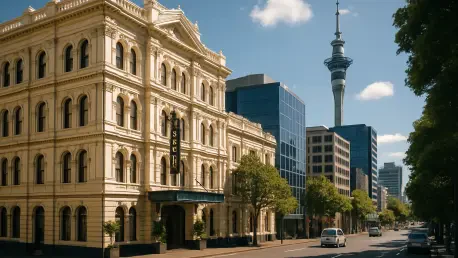
The selection of 33 Lorne Street was a deliberate move to place the hotel at the very epicenter of Auckland’s cultural heartbeat, where the energy of the city is most palpable. By situating the brand within the Arts District, we are able to draw direct inspiration from neighbors like the Civic Theatre and the Auckland Art Gallery, which is reflected in our use of gallery-style installations and dramatic, immersive lighting. This location naturally attracts a demographic of “creative explorers”—travelers who crave more than just a bed and want to be within walking distance of the Sky Tower, Auckland Museum, and the ferry terminal to Waiheke Island. Because we are providing a design-driven hub in such a high-demand creative precinct, our occupancy projections are bolstered by the fact that we cater to both the weekend leisure seeker and the business professional who tires of conventional, sterile hotel environments. We believe that by mirroring the urban energy of the street, the hotel becomes a destination in itself rather than just a place to stay.
The interior design utilizes corridor lighting mimicking stage spotlights and guest rooms styled like actors’ dressing rooms; how do these sensory details shape the guest’s emotional experience? Could you detail the operational steps taken to maintain this niche aesthetic while ensuring the functional comfort of 322 rooms?
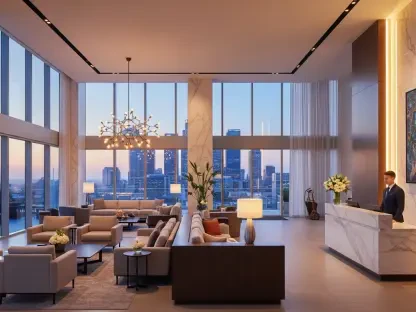
The sensory journey begins the moment a guest steps into the corridor, where the spotlight effect creates an immediate sense of anticipation and drama, making the guest feel like the protagonist of their own story. Within the 322 guest rooms and suites, we have utilized layered textures, expressive colors, and curated artwork to evoke the intimate, high-energy atmosphere of an actor’s dressing room. To maintain this niche aesthetic operationally, our housekeeping and maintenance teams undergo specialized training to ensure that the “attitude and artistry” of the design—from the sensory lighting to the specific placement of installation pieces—remains pristine without compromising on functional comfort. We’ve balanced the bold visual elements with high-end amenities to ensure that even a guest in our Suite Panorama, while surrounded by theatrical flair, still enjoys the seamless, premium experience expected of an upper-upscale brand. It is about creating a “playful twist” on the conventional, ensuring that every touchpoint feels deliberate, inspired, and deeply connected to Auckland’s performance arts culture.
With New Zealand’s largest rooftop space and a capacity for over 200 guests, what logistical challenges come with managing such a high-profile outdoor venue? How do the four flexible meeting rooms transition from corporate sessions to social celebrations, and what specific metrics define the success of these spaces?
Managing a rooftop venue with a cocktail-style capacity for 219 guests requires a sophisticated logistical dance, particularly when coordinating large-scale events against the backdrop of the iconic Sky Tower. The primary challenge lies in the versatility of the space; we have designed four flexible meeting rooms that are flooded with natural light, allowing them to serve as professional hubs by day and vibrant celebration zones by night. Transitioning these spaces involves a rapid turnover of state-of-the-art equipment and furniture configurations to shift the atmosphere from a polished corporate session to a relaxed, spirited social gathering. We define the success of these spaces through a blend of high-utilization metrics and guest engagement scores, specifically looking at how often these rooms are booked for “creative playground” style events like pop-ups or live performances. Our goal is for the rooftop to be recognized as Auckland’s most engaging social destination, where the logistics of the back-of-house never interrupt the sweeping, open-air experience for our guests.
As a pet-friendly hotel in the Central Business District, how does this policy integrate with the “Share & Connect” dining philosophy? What specific amenities or staff training programs ensure that the presence of four-legged companions enhances the social atmosphere without disrupting the premium experience for business travelers?
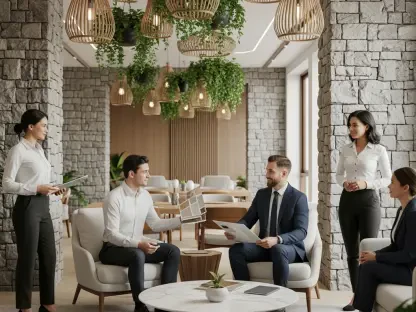
The “Share & Connect” philosophy is built on the idea that food, music, and mixology should act as catalysts for natural interaction, and we believe that welcoming pets adds a layer of warmth and community to this social spark. We have implemented specific staff training programs that focus on managing the flow of the dining areas so that pet owners and business travelers can coexist harmoniously, ensuring that the presence of a dog feels like a charming addition rather than a disruption. For the business traveler who might be finishing work late, our fitness center is open daily from 5 AM to 11 PM, providing a structured, premium outlet for wellness that balances the more relaxed, pet-friendly social zones. We provide specific amenities for our four-legged guests, which not only delights their owners but also serves as a conversation starter among other guests, reinforcing the hotel’s identity as a community-minded creative hub. It is a delicate balance, but by fostering an environment of mutual respect and high-energy social interaction, we create a space where everyone—human or otherwise—feels like they belong.
What is your forecast for Auckland’s creative hospitality sector?
I believe we are entering a transformative era where the “creative heartbeat” of the city will become the primary driver for new developments, moving away from the cookie-cutter luxury of the past toward more expressive, design-led experiences. As Auckland continues to grow as a cultural capital, we will see a surge in venues that prioritize community and connection, much like we have done at 33 Lorne Street. Travelers are no longer satisfied with just a room; they want to “plug into the heartbeat” of the city, which will lead to a rise in multi-functional spaces that serve as galleries, event hubs, and social lounges all at once. My forecast is that the hospitality sector will increasingly lean into local art, performance, and niche lifestyle offerings—such as pet-friendly policies and massive outdoor social spaces—to differentiate themselves in a competitive market. Ultimately, the hotels that succeed will be those that don’t just sit in the city, but actively reflect its culture, color, and energy back to the world.