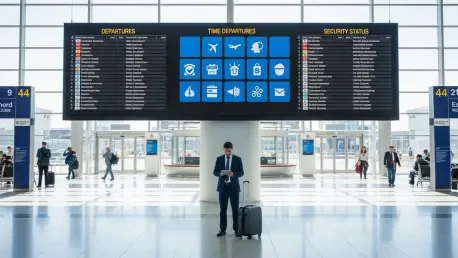

The rhythmic hum of a jet engine once symbolized the ultimate liberation of the human spirit, but today that sound is increasingly accompanied by a meticulous review of regional stability and real-time security updates. Global wanderlust has reached an all-time high as people seek to reclaim the world, yet the actual map of viable destinations is shrinking with startling speed. A single digital alert from a government agency now possesses the power to redirect millions of tourists and billions of dollars in travel revenue within a matter of hours. The world is witnessing a striking contradiction where the desire to explore is boundless, but the space to do so safely requires constant, calculated navigation.
Vacations have transitioned from simple escapes into complex exercises in risk management and geopolitical awareness. The modern traveler no longer just checks the weather; they monitor international relations and energy market fluctuations with the intensity of a seasoned analyst. This shift defines the current era of tourism, where the sovereignty of borders and the stability of infrastructure dictate the flow of people across the globe. As the summer season approaches, the focus remains on how individual choices are being shaped by forces far beyond the control of any single travel agency or airline.
The 2026 Travel Paradox: Adventure in an Age of Anxiety
A peculiar tension currently grips the international travel market as the appetite for adventure collides with an unprecedented era of global instability. While airline booking systems are straining under the weight of record-breaking demand, the list of countries deemed “low risk” continues to dwindle. Travelers are essentially caught in a tug-of-war between their inherent curiosity and a pervasive sense of caution that colors every booking decision. The luxury of a worry-free holiday has been replaced by a more pragmatic approach to exploration, where flexibility is the most valuable currency a tourist can possess.
The impact of this paradox is most visible in how quickly travel patterns shift in response to distant political events. A disruption in one part of the world no longer remains localized; it sends shockwaves through the entire tourism ecosystem, affecting everything from insurance premiums to the availability of hotel rooms in safer alternative regions. This environment has forced the industry to evolve, prioritizing security protocols and financial protections that were once considered optional extras. Today, the journey begins long before arrival at the airport, starting instead with a deep dive into the geopolitical resilience of the intended destination.
Why Geopolitics Now Dictates Your Summer Itinerary
The traditional “set it and forget it” approach to holiday planning vanished following the widespread security alerts of early March. Geopolitics has moved from a background concern to the primary architect of modern travel itineraries, influencing where people go and how much they pay to get there. These regional tensions have a direct correlation with the soaring costs of aviation fuel, which in turn inflates ticket prices and forces travelers to reconsider their long-haul ambitions. When political instability threatens energy corridors, the financial burden is passed directly to the consumer, making the choice of destination as much an economic decision as a cultural one.
Moreover, domestic political standoffs are creating secondary layers of friction that complicate the travel experience. Internal governmental pressures often manifest as disruptions at border crossings or staffing shortages at critical transportation hubs. These factors prove that tourism does not exist in a vacuum; it is inextricably linked to the health of the host nation’s political and economic systems. Consequently, the summer itinerary is now a reflection of global power dynamics, with tourists favoring nations that demonstrate high levels of stability and diplomatic predictability over those with volatile political climates.
Navigating the New Map: Safety Tiers and Shifted Borders
The contemporary tourism landscape is characterized by a distinct “tiered” reality where safety and accessibility are in a state of constant flux. There is a noticeable rise in the “Safe Zone” pivot, where travelers are systematically abandoning traditional Middle Eastern cultural hubs that are currently under high-level alerts. In their place, destinations like the Yucatan and the Riviera Maya in Mexico have seen a massive influx of visitors. These regions maintain a Level 2 advisory status, suggesting that while caution is necessary, the risks are manageable compared to the Level 4 designations currently assigned to twenty-one other high-risk nations.
At the same time, domestic aviation infrastructure is buckling under the weight of political pressure and staffing crises. Major hubs such as Atlanta and JFK have reported security queues stretching to six hours during peak periods, a direct result of ongoing government funding disputes. The situation reached such a critical point that the federal government was forced to deploy ICE agents to fourteen major airports to stabilize operations. This redirection of resources highlights the precarious state of travel logistics, where the movement of people is frequently hindered by internal policy failures and the resulting depletion of specialized personnel.
Insured Confidence: Expert Perspectives on Risk Mitigation
Industry analysts and security experts now describe the defining trend of the year as “informed resilience,” a concept supported by a massive surge in financial protection products. Market data indicates that roughly 85% of American travelers now view travel insurance as a non-negotiable utility rather than a luxury. This high benchmark reflects a collective realization that the modern travel environment is too volatile to navigate without a robust safety net. The fear of cancellations stemming from security alerts or sudden infrastructure collapses has turned the insurance industry into a cornerstone of the global tourism economy.
The most significant development in this sector is the widespread adoption of “Cancel For Any Reason” (CFAR) coverage, which has seen a 27% spike in interest. Expert analysis suggests that CFAR policies provide the psychological safety net necessary for tourists to commit to international travel during uncertain times. By offering a partial reimbursement for cancellations that fall outside standard policy triggers, these products empower travelers to book with confidence. Furthermore, enrollment in programs like the Smart Traveler Enrollment Program (STEP) has become standard practice, allowing citizens to receive real-time embassy updates and maintain a direct line of communication with their home government while abroad.
The Informed Traveler’s Playbook: Strategies for a Volatile World
Maintaining the momentum of global exploration now requires a proactive framework for managing logistical and geopolitical hurdles. Savvy travelers are increasingly focused on the critical 14-to-21-day window for securing CFAR eligibility after their initial trip deposit. This strategic timing ensures that they are protected against a broad range of potential disruptions, from local civil unrest to unexpected changes in entry requirements. By mastering the nuances of insurance timing, tourists can mitigate the financial risks that would otherwise deter them from booking ambitious international excursions.
Technological intelligence has also become an essential tool for the modern explorer. Travelers are utilizing mobile applications to monitor real-time airspace closures and TSA wait times, allowing them to adjust their schedules on the fly. To offset the rising costs of fuel-driven airfare hikes, many are shifting their focus to shoulder seasons or exploring domestic alternatives such as national parks and coastal resorts. These strategies allow for high-value experiences with lower geopolitical risk, ensuring that the spirit of travel remains vibrant even as the world navigates a period of profound uncertainty.
The global tourism sector successfully adapted by prioritizing financial safeguards over spontaneous exploration. Travelers sought out specialized insurance products that mitigated the volatility of international relations and effectively protected their investments. The industry learned that resilience required a fundamental shift in how risk was calculated and managed across borders. Moving forward, the emphasis remained on the integration of digital tracking and embassy alerts as standard components of the travel experience. By embracing these strategic adjustments, the global community ensured that the horizon stayed open for those who prepared for the complexities of a changing world.