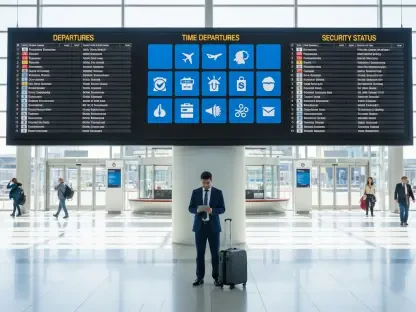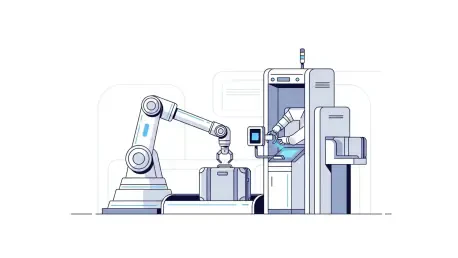

The modern traveler entering a major United States airport today encounters a landscape that has been fundamentally redesigned to prioritize psychological ease and physical efficiency. As of 2026, the era of fumbling for paper boarding passes and enduring unpredictable security bottlenecks is rapidly receding into the past, replaced by a sophisticated digital infrastructure that anticipates passenger needs. This systemic shift is not merely a collection of isolated upgrades but represents a holistic integration of biometric identification, artificial intelligence, and global satellite connectivity. By weaving these technologies into the very fabric of the terminal and the aircraft, the industry is moving toward a frictionless ecosystem where the transit process feels less like a series of hurdles and more like a continuous, managed flow. This evolution reflects a broader commitment to operational transparency and passenger autonomy, setting a new benchmark for domestic travel standards.
Streamlining the Passenger Journey
Biometric Integration and Enhanced Security
The transition to biometric facial recognition has become the definitive hallmark of the American airport experience in 2026, fundamentally altering how identity is verified at scale. The Transportation Security Administration has expanded its touchless identity programs to over 60 major domestic hubs, enabling travelers to navigate checkpoints without ever reaching for a wallet or smartphone. By utilizing high-resolution cameras that cross-reference live scans against existing encrypted government records, the system can confirm a passenger’s identity in less than ten seconds with a high degree of accuracy. This technological leap has significantly reduced the physical footprint of security queues, allowing for a more open terminal design that facilitates faster movement. For the passenger, this means the anxiety of potentially losing a driver’s license or passport during the journey is virtually eliminated, as their physical presence serves as their primary credential throughout the terminal.
Furthermore, the integration between federal security protocols and airline-specific boarding processes has created a unified “biometric corridor” for the modern traveler. Major carriers like Delta and United have synchronized their internal databases with TSA systems, allowing passengers to drop off bags, enter premium lounges, and board aircraft using the same facial recognition technology. This synergy has effectively removed the redundant checks that once characterized the pre-flight experience, streamlining operations for ground crews and reducing the time an aircraft spends parked at the gate. As this technology becomes the standard at airports from Orlando to Seattle, the focus has shifted from mere document verification to a broader strategy of flow management. The result is a terminal environment where security is no longer a static barrier but a background process that occurs naturally as the traveler moves toward their gate, ensuring that the highest safety standards are maintained without compromising the speed of transit.
The Universalization of High-Speed Connectivity
In 2026, the expectation of being “unplugged” during a domestic flight has been completely dismantled by the widespread deployment of low-Earth orbit satellite constellations. High-speed, low-latency Wi-Fi has transitioned from an expensive, unreliable luxury to a fundamental utility that airlines provide to remain competitive in a digital-first economy. Many major carriers have abandoned the traditional pay-per-flight model in favor of offering free, high-bandwidth internet as a standard amenity or a loyalty reward for frequent fliers. This shift has been facilitated by partnerships with providers like Starlink, which offer the necessary capacity to support data-heavy activities such as high-definition video conferencing and cloud-based gaming at 35,000 feet. By mirroring the connectivity speeds found in homes and offices, airlines have successfully transformed the aircraft cabin into a viable workspace, effectively reclaiming hours of productivity that were previously lost during transit.
This universal connectivity has also revolutionized the relationship between the airline and the passenger during the flight, creating new avenues for real-time service and engagement. Beyond just browsing the web, passengers can now use integrated mobile applications to track their checked luggage in real-time, order food and beverages for immediate delivery to their seats, or even rebook connecting flights if a delay occurs while they are still in the air. This level of digital integration removes the traditional information asymmetry that often led to passenger frustration during irregular operations. When everyone on board has access to the same live data as the ground crew, the travel experience becomes more transparent and less stressful. The move toward ubiquitous connectivity is not just about entertainment; it is a strategic effort to integrate the flight into the passenger’s broader digital life, ensuring that the transition from ground to air is as seamless and productive as possible.
Optimizing Airline Operations and Logistics
Artificial Intelligence and Operational Reliability
While the visible aspects of travel have become more streamlined, the most profound technological advancements in 2026 are occurring within the invisible operational layers of the aviation industry. Artificial intelligence has moved beyond the experimental phase to become the central nervous system of modern fleet management, particularly through the implementation of advanced predictive maintenance. By utilizing thousands of sensors embedded in aircraft engines and airframes, carriers can now ingest and analyze terabytes of real-time data to identify microscopic signs of wear or impending mechanical failure. This proactive approach allows maintenance teams to replace a component during a scheduled overnight layover rather than waiting for a part to fail at the gate. The impact on reliability is substantial, as it significantly reduces the frequency of technical cancellations and the costly logistical headaches associated with grounding an aircraft at an out-station.
The maturation of machine learning models has also enabled airlines to manage their complex supply chains with unprecedented precision. These AI systems can predict exactly which spare parts will be needed at specific hubs based on historical data, weather patterns, and current fleet health, ensuring that necessary resources are always within reach. This optimization extends to the environmental footprint of the industry as well, as AI-driven flight planning tools now calculate the most fuel-efficient routes by analyzing real-time atmospheric conditions and air traffic congestion. By minimizing unnecessary fuel burn and reducing engine idle times, airlines are not only saving on operational costs but also making measurable progress toward their sustainability goals. For the passenger, these “behind-the-scenes” improvements manifest as a significantly more reliable schedule, where the technical delays that once felt like an inevitable part of flying are increasingly becoming rare exceptions.
Dynamic Scheduling and Flight Optimization
In 2026, the challenge of managing a nationwide network during severe weather or unexpected disruptions is being met with highly sophisticated dynamic scheduling algorithms. These systems are capable of processing millions of variables—including crew rest requirements, aircraft positioning, gate availability, and connecting passenger flows—to generate recovery plans in a fraction of the time required by human dispatchers. When a major storm hits a hub like Chicago or Atlanta, the AI can instantly propose a series of reroutings and swaps that minimize the impact on the overall network, preventing the “cascading delays” that historically paralyzed travel for days. This rapid response capability ensures that even when disruptions are unavoidable, the recovery process is swift and coordinated, allowing the airline to return to normal operations far more quickly than was possible just a few years ago.
Furthermore, these optimization tools are being used to refine the daily schedule to better reflect actual passenger demand and operational realities. By analyzing real-time booking trends and terminal congestion data, airlines can dynamically adjust flight timings or aircraft types to maximize efficiency and passenger comfort. This granular level of control allows for better synchronization between arriving and departing flights, reducing the time passengers spend waiting for connections or sitting on the tarmac. The focus has shifted from a rigid, predetermined schedule to a fluid, responsive system that adapts to the environment in real-time. This evolution in logistics and scheduling ensures that the infrastructure of domestic aviation is utilized to its maximum potential, providing a more stable and predictable experience for the millions of people who rely on air travel for their professional and personal lives.
Enhancing the Onboard Environment
Modernization of the In-Flight Product
The physical architecture of the aircraft cabin is currently undergoing a renaissance, driven by a strategic shift toward “premiumization” across the domestic U.S. market. As of 2026, airlines have moved away from the race-to-the-bottom pricing strategies of the past, focusing instead on the quality of the onboard environment to attract and retain travelers. This is evidenced by the massive fleet-wide retrofits currently underway, which introduce ergonomic seating with increased pitch, adjustable headrests, and dedicated storage compartments even in the main cabin. For those in premium cabins, the experience has been elevated with the inclusion of privacy doors, wireless charging pads, and large 4K entertainment screens that sync directly with personal Bluetooth devices. These hardware upgrades are designed to satisfy a consumer base that increasingly views the flight itself as a component of their destination experience rather than a mere transit period.
In addition to physical comfort, the onboard experience is now defined by a suite of integrated digital tools that allow passengers to personalize their environment via mobile applications. These apps serve as a central hub for the journey, enabling travelers to control their seat recline, adjust lighting, and browse a curated library of content before they even step onto the plane. Many carriers have also introduced “smart galleys” that use data analytics to predict passenger preferences, ensuring that popular meal options are stocked and that service is timed to minimize cabin disruptions. This focus on the individual passenger journey reflects a broader trend toward customization in the service industry. By combining high-touch physical amenities with high-tech digital controls, U.S. airlines are successfully differentiating their products in a crowded market, proving that the domestic flight experience can be both efficient and genuinely enjoyable for every traveler.
Privacy Considerations and Consumer Sentiment
The rapid deployment of these advanced technologies has prompted a sophisticated and necessary dialogue regarding data privacy and the ethics of digital oversight in public spaces. While the majority of passengers have embraced biometric identification for the convenience it provides, a significant segment of the population remains cautious about the long-term storage and potential misuse of their personal information. In response, the aviation industry has had to implement rigorous transparency measures, ensuring that travelers are fully informed about how their data is used and providing clear opt-out mechanisms for those who prefer traditional verification methods. The success of the 2026 travel model relies heavily on this balance between efficiency and trust, as any perceived breach of privacy could quickly undermine the public’s willingness to participate in these digital programs.
Consumer sentiment in 2026 is generally positive, with most travelers citing the reduction of physical friction as the most valuable outcome of recent technological investments. Frequent fliers, in particular, have noted that the combination of biometric security and ubiquitous Wi-Fi has transformed the airport from a place of stress into a productive extension of their daily lives. However, the industry recognizes that maintaining this positive sentiment requires ongoing vigilance and a commitment to data security that matches its commitment to operational speed. As the digital infrastructure of aviation continues to mature, the focus is shifting toward creating “privacy-by-design” systems that minimize data retention while maximizing utility. This approach ensures that the technological transformation of the industry remains sustainable and that the benefits of a frictionless journey are accessible to all passengers, regardless of their comfort level with emerging digital trends.
The systemic overhaul of the United States aviation industry has effectively redefined the parameters of domestic travel, moving away from fragmented processes toward a unified digital ecosystem. In 2026, the integration of biometric security, satellite-enabled connectivity, and artificial intelligence has created an environment where operational reliability and passenger convenience are no longer mutually exclusive. These advancements have successfully addressed the core frustrations of the previous era, delivering a transit experience that is faster, more transparent, and significantly more comfortable. To sustain this momentum, stakeholders must prioritize the continuous hardening of data privacy protocols and the expansion of these technologies to secondary and regional airports to ensure nationwide consistency. Moving forward, the focus will likely shift toward further decarbonization and the integration of autonomous ground support systems, ensuring that the progress made in digital efficiency is matched by advancements in environmental and logistical sustainability. Travelers can now expect a journey that respects their time and privacy, setting a high standard for the future of global mobility.