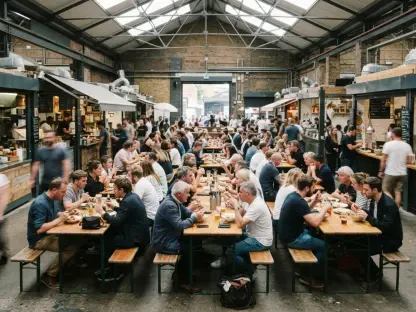

Taiwan is gaining traction as a premier hub for culinary tourism, balancing the high energy of Taipei’s night markets with quiet mountain forest retreats. This shift reflects a broader global transformation where the travel landscape in 2027 marks a definitive departure from mass-market tourism, moving toward a world where personalization and deliberate choice reign supreme. As highlighted by recent industry insights, the sector is entering an era where travelers reject social media echo chambers in favor of authentic, human-led discovery. This movement suggests that the next generation of journeys will be defined by depth rather than breadth, as travelers seek out destinations and experiences that resonate with their specific values and personal hobbies. At the heart of this evolution is the thoughtful traveler, a demographic that prioritizes historical roots and modern luxury over crowded landmarks. This transition is driven by a desire for anti-algorithm exploration, where the goal is to find un-Googleable experiences through the expertise of professional advisors. By focusing on emerging hotspots and intentional itineraries, the 2027 travel scene promises to transform the traditional vacation into a meaningful journey of self-extension and cultural immersion, catering to those who view exploration as a way to enrich their personal narratives rather than just collecting passport stamps.
Leading Destinations Redefining the Global Map
The Rise of Cultural and Natural Strongholds
China has emerged as the premier destination for 2027, boasting a nearly 200 percent increase in interest thanks to expanded high-speed rail networks and eased visa restrictions. While major urban hubs like Beijing and Shanghai remain popular for first-time visitors, the current trend is moving aggressively toward scenic and culturally dense locations like Hangzhou. In these areas, ancient tea culture and lakeside serenity offer a slower pace that contrasts with the hyper-modernity of the coastal metropolises. The sophisticated infrastructure allows for seamless multi-stop vacations that combine rapid transit with deep dives into ancient traditions, making the country a cornerstone of the new travel era. Travelers are increasingly drawn to the juxtaposition of sleek skyscraper skylines and the mist-covered mountains of the interior, utilizing the efficiency of the rail system to traverse vast distances without the stress of regional air travel. This accessibility has opened up rural provinces that were previously difficult to reach, allowing for a more nuanced understanding of the regional diversity that defines the modern Chinese experience.
Slovenia and Malta are also capturing the global spotlight as European leaders in sustainable and historical tourism, respectively. Slovenia has become a sanctuary for outdoor enthusiasts seeking the Julian Alps and farm-to-table culinary experiences, specifically within its growing orange wine regions and the eco-conscious capital of Ljubljana. The nation’s commitment to green initiatives has positioned it as the go-to destination for those who want to minimize their carbon footprint while enjoying high-end alpine retreats. Meanwhile, Malta attracts those looking for slow-fast travel, a concept where dense layers of history are explored within a manageable geographic footprint. The Baroque architecture of Valletta and the silent, medieval charm of Mdina provide some of the world’s most sophisticated cultural experiences without the logistical headaches of larger nations. These destinations prove that smaller countries can offer outsized value by focusing on their unique heritage and natural preservation, appealing to a demographic that values quality of interaction over the quantity of sites visited. The proximity of ancient ruins to modern luxury accommodations in these regions creates a unique atmosphere where history feels alive and accessible.
Classic Wonders and Wild Frontiers
Egypt is experiencing a significant resurgence in 2027, largely fueled by the highly anticipated total solar eclipse occurring in August and the long-awaited full operations of the Grand Egyptian Museum. The revitalization of Nile cruises with ultra-luxury fleets has renewed global confidence in North African exploration, moving the experience away from budget-tier tourism toward a high-end, academic adventure. Travelers are now booking private viewings of archaeological sites and engaging with Egyptologists to gain insights that go beyond standard guidebook descriptions. The convergence of a rare celestial event and the opening of world-class cultural institutions has created a perfect storm of interest, drawing people who might have previously overlooked the region due to logistical concerns. Modern luxury in Cairo and Luxor now rivals European capitals, offering a level of comfort that supports deep exploration of the desert’s ancient secrets. This renewed interest is also sparking development in the Red Sea coastal areas, where sustainable luxury resorts are beginning to provide a modern counterpart to the historical weight of the Nile Valley.
In the Western Hemisphere, the focus has shifted toward intimate, expedition-style travel that brings guests closer to the environment. Alaska continues to dominate the North American market, but the trend now favors smaller, specialized vessels that can navigate remote glaciers and narrow fjords away from the larger cruise ship crowds. This shift reflects a desire for silence and solitude, where the primary goal is to observe wildlife and changing landscapes without the distractions of mass-market entertainment. Similarly, in the Caribbean, the U.S. Virgin Islands are being reimagined as dual-island destinations where the emphasis is on mobility and outdoor exploration. Rather than staying confined to traditional, gated resorts, travelers are increasingly opting for private sailing charters and eco-tours between St. Thomas and St. John. This allows them to engage more directly with the marine environment and local communities, fostering a sense of discovery that is often lost in standardized vacation packages. By prioritizing flexibility and environmental education, these destinations are setting a new standard for how travelers interact with the natural world in the late 2020s.
Emerging Trends and Innovative Infrastructure
The Evolution of Identity-Driven Travel Itineraries
A significant cultural shift for 2027 is the rise of hobby-led vacations, where personal interests such as knitting, padel, or specialized literature dictate the choice of destination. Travel is no longer viewed merely as a break from daily life but as an extension of one’s identity and passions. For example, a traveler might choose a specific region in the United Kingdom not just for its scenery, but because it hosts a world-renowned fiber arts retreat or a historical literary festival. This trend aligns with the slow-fast movement, where individuals spend longer durations in fewer places to foster genuine local connections and master a specific skill or craft. Approximately 28 percent of travelers now prefer this deep-dive approach, seeking a local rather than a tourist experience. This intentionality ensures that every trip provides a tangible sense of accomplishment or personal growth, moving away from the passive consumption of sights toward active participation in a global community of enthusiasts.
To support these niche interests, new luxury infrastructure is focusing on intimacy and bespoke service rather than scale. Upcoming openings like St. Clement in London highlight a move toward smaller, high-end environments that function more like private clubs than traditional hotels. These developments cater to the growing demand for VIP infrastructure, including private airport terminal services and elevated all-inclusive models that remove the transactional feel of a vacation. Even on the open water, the introduction of vessels like the Amangati—the Aman group’s first luxury yacht—demonstrates how the industry is replacing massive cruise ships with private-island atmospheres. These smaller platforms allow for highly curated itineraries that can change based on the interests of the guests or the specific seasonal opportunities of the region. By removing the friction of travel through seamless, high-touch service, these new hospitality models allow guests to focus entirely on their personal objectives, whether that involves intense athletic training, artistic creation, or deep historical research.
Scientific Wellness and Exclusive Hospitality Assets
The future of travel is also being shaped by the use of data-driven insights such as the Taste Index, a methodology that combines hard booking data with qualitative advisor feedback to predict long-term growth and shifting consumer preferences. This data shows that wellness is moving beyond simple spa treatments and into the realm of longevity getaways. These retreats focus on measurable health outcomes, such as improved sleep quality, metabolic health, and nutritional optimization, ensuring that the benefits of a trip follow the traveler back to their daily life. Rather than just offering a temporary escape, these programs provide guests with the tools and data they need to improve their long-term well-being. This reflects a broader maturation of the travel market where personal health and biological optimization are considered the ultimate luxury. High-end resorts are increasingly partnering with medical professionals and tech firms to provide personalized wellness blueprints that are updated throughout the guest’s stay.
Building on this foundation of precision, the hospitality industry is expanding into remote regions with specialized assets that offer both comfort and exclusivity. Botswana’s Singita Elela and Italy’s Le Graal Cortina are prime examples of properties designed to provide deep immersion in specific ecosystems while maintaining a minimal environmental footprint. These locations utilize advanced sustainable technologies to ensure that luxury does not come at the expense of the surrounding wilderness. Moreover, the integration of technology into the guest experience has become more subtle and helpful, focusing on anticipatory service rather than flashy gadgets. In major urban centers, hotels like The Nell New York are redefining the boutique experience by offering hyper-localized concierge services that connect guests with exclusive city experiences that are not available to the general public. This combination of scientific wellness, environmental stewardship, and exclusive access ensures that the travel industry remains a vital part of the global economy, providing transformative experiences that are both responsible and deeply personal.
Frequently Asked Questions: Understanding the 2027 Travel Landscape
How does anti-algorithm travel work in 2027?Travelers are increasingly working with human advisors to find un-Googleable spots that have not been overexposed on social media, prioritizing hidden gems over viral locations.
What makes China the top destination for 2027?A combination of eased visa rules and a massive high-speed rail network makes exploring its diverse landscapes, from hyper-modern cities to ancient mountain retreats, easier than ever before.
What is slow-fast travel?It is the practice of choosing fewer destinations during a single trip but staying longer in each location to engage deeply with the local culture and environment.
Why is Egypt seeing a spike in bookings?The total solar eclipse in Luxor and the full opening of the Grand Egyptian Museum are primary drivers for renewed interest in the country’s archaeological and celestial wonders.
What are longevity getaways?These are wellness-focused trips that aim for measurable health improvements, such as better sleep patterns or nutritional habits, using scientific data to ensure lasting results after the trip ends.
Actionable Insights for the Future of Exploration
The travel industry successfully transitioned into a period where the quality of the experience outweighed the quantity of destinations visited. It became clear that the modern explorer sought more than just a change of scenery; they looked for a profound connection to their personal interests and the biological optimization of their own health. To stay ahead of these trends, those planning future journeys should prioritize early bookings for high-demand celestial and cultural events, such as the major solar eclipses or significant museum openings, which now see capacity reached years in advance. Furthermore, engaging with specialized travel advisors who possess deep local knowledge proved to be the most effective way to bypass the standardized recommendations of digital algorithms.
Moving forward, travelers should consider shifting their focus toward single-destination immersions that allow for a mastery of local customs and specialized hobbies. The rise of identity-led travel suggested that the most rewarding trips were those that integrated personal growth, whether through wellness science or the pursuit of a specific craft. As the infrastructure for VIP services and small-scale expedition cruising expanded, the opportunity to explore remote regions like the Arctic or the deeper reaches of the Nile became more accessible without sacrificing comfort. By embracing the principles of longevity and sustainability, the global travel community ensured that journeys remained a source of restoration and education, creating a legacy of thoughtful exploration that benefited both the traveler and the host destination.