
Katarina Railko brings a wealth of experience from the travel and tourism sectors, establishing herself as a leading voice in hospitality and large-scale events. Her background in managing the intersection of corporate needs and leisure entertainment provides her with a unique perspective on property redevelopment and market positioning. In this conversation, we explore the intricate transformation of The Clara Hotel in Plano, Texas, focusing on how a property can evolve from a rigid industrial aesthetic into a warm, residential-style retreat. We also examine the operational complexities of multi-functional spaces, the strategic integration of food and beverage concepts, and the delicate art of balancing a local identity within a global brand framework.
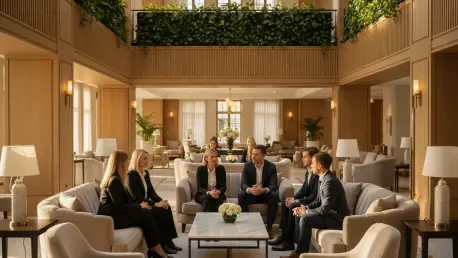
Transitioning a property from a rigid industrial look to a “residential feel” involves incorporating natural wood finishes and greenery. How does this softer design palette specifically influence guest dwell time in common areas, and what are the practical trade-offs when selecting these materials for high-traffic hospitality environments?
Moving away from the cold, industrial bones of the former NYLO property to a “softer” palette is a strategic move to lower the guest’s heart rate the moment they walk in. When you introduce natural wood finishes and lush greenery, you create a subconscious sense of comfort that encourages guests to linger in the lobby rather than retreating straight to their rooms. The primary trade-off is the durability and maintenance of these organic materials; wood can scuff and plants require constant care, which is why we must select high-grade, sustainable finishes that can withstand the friction of a busy hotel. However, the investment pays off because increased dwell time translates directly into higher social engagement and incidental revenue at our on-site venues.
The Library operates as a daytime lounge before transforming into a reservation-only speakeasy on weekends. What specific operational steps are required to shift the lighting, acoustics, and service standards for such a transition, and how does this dual-purpose strategy impact the property’s overall labor model?
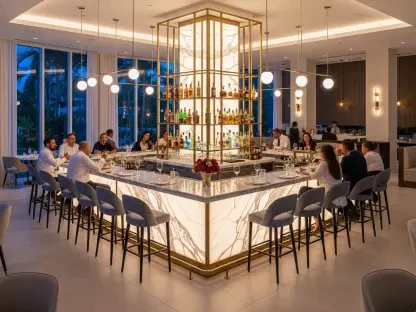
Converting The Library from a sun-drenched daytime lounge into an exclusive speakeasy on Thursday and weekend nights requires a choreographed “flip” that touches every sense. Operationally, we transition the lighting to a warmer, dimmer spectrum and shift the acoustic profile from ambient background music to a more sophisticated, curated soundtrack. Our service standards also pivot from a casual, self-service vibe to a high-touch, reservation-only model that demands specialized mixology skills. This dual-purpose strategy requires a flexible labor model where staff are cross-trained to handle both high-volume daytime traffic and the precision of evening craft cocktail service.
Creating an outdoor courtyard capable of hosting 300 guests near a heated pool requires a balance of landscaping and flexible seating. How do you ensure these large-scale event spaces remain intimate for individual travelers, and what infrastructure is necessary to maintain a premium outdoor experience during varying Texas seasons?
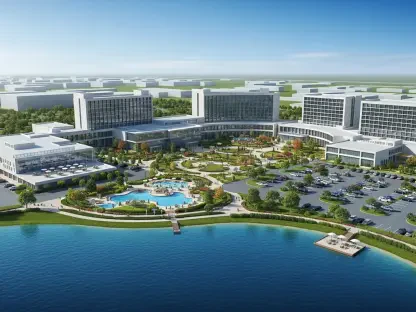
Designing a 4,000-square-foot courtyard to accommodate 300 guests while still feeling cozy for a solo traveler with a book is all about creating “pockets” of privacy through smart landscaping and flexible seating. We use greenery and varied furniture heights to break up the vast space, ensuring that a single guest by the heated pool doesn’t feel exposed or overwhelmed by the scale of the architecture. To combat the unpredictable North Texas climate, we have integrated infrastructure like high-capacity heating elements for the winter and cooling systems or shaded pergolas for the summer. This allows the courtyard to function as a year-round retreat, maintaining that premium, high-end feel regardless of whether there is a corporate gala or a quiet afternoon sunbather.
Situated near the border of Plano and Frisco, a hotel must appeal to both corporate travelers and visitors attending major sports events. How do the eight specialized suites and the Field & Vine dining concept cater to these distinct demographics, and what metrics best indicate successful market penetration?
Our location is a unique nexus of business and sports culture, which is why we’ve designed our 176 rooms, including eight specialized suites, to be highly adaptable for both the lone executive and the traveling sports fan. The Field & Vine dining concept serves as the connective tissue, offering a sophisticated yet approachable menu that works for a high-stakes business lunch or a celebratory post-game dinner. We track our success by looking at the RevPAR (Revenue Per Available Room) and the percentage of local repeat guests who utilize our F&B outlets without even staying overnight. If we see high engagement from both the corporate parks in Plano and the sports organizations in Frisco, like the Dallas Cowboys, we know our lifestyle positioning is hitting the mark.
Maintaining an affiliation with an upscale collection like Tapestry while pursuing a “distinctive” lifestyle identity requires a delicate balance. What are the challenges of integrating unique local textures into a global brand framework, and how do you ensure the guest experience remains consistent across both business and leisure stays?
The biggest challenge is ensuring that the “local soul” of The Clara isn’t buried under the standardized requirements of a global brand like Hilton’s Tapestry Collection. We navigate this by using the brand framework for operational excellence and loyalty benefits while leaning heavily into local textures and “distinctive” programming for the aesthetic. Consistency is maintained through rigorous service training; whether a guest is here for a mid-week board meeting or a weekend getaway, the level of hospitality remains predictably high. We want the guest to feel the safety and reliability of a global brand, but the sensory experience—the smell of the wood, the taste of the food at Field & Vine—should feel entirely unique to North Texas.
What is your forecast for the lifestyle hotel market in the North Texas region?
The North Texas region, particularly the Plano and Frisco corridor, is poised for a significant surge in lifestyle hospitality as travelers move away from cookie-cutter corporate stays in favor of experiential environments. With NewcrestImage’s massive footprint in real estate transactions totaling $2.7 billion, we are seeing a clear trend where guests prioritize properties that offer a “residential feel” and sophisticated social hubs. As more major sports organizations and corporate headquarters migrate to this area, the demand for hotels that can double as community gathering places will only grow. I expect we will see a shift where the hotel lobby becomes the new “third space” for the local community, blurring the lines between hospitality, work, and social life.