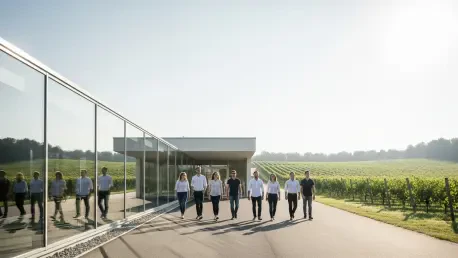

The launch of the Western Australia (WA) Tourism Workforce Strategy in early 2026 marks a pivotal shift in the state’s approach to its hospitality and travel sectors, moving beyond reactive measures to establish a proactive, long-term blueprint for global competitiveness. This strategic framework acknowledges that while Western Australia possesses some of the most stunning natural landscapes and unique cultural heritage sites in the world, the actual delivery of these experiences rests entirely on the quality and availability of its human capital. By systematically addressing deep-seated structural challenges, such as seasonal labor imbalances and regional skills shortages, the government is working to align the supply of skilled workers with the rapidly increasing demands of international travelers who seek premium experiences. This initiative is not just an employment program but a critical component of the state’s broader economic health, ensuring that tourism remains a resilient pillar as the region diversifies into renewable energy and advanced manufacturing sectors.
Addressing Labor Distribution and Regional Support
Balancing Seasonal and Geographical Labor Demands
One of the most persistent hurdles for the Western Australian tourism industry has been the stark disparity in labor availability across its vast and often remote geography. Iconic destinations like the Kimberley, the Pilbara, and the Ningaloo Reef frequently face what industry experts describe as staffing bottlenecks during peak travel seasons, where the surge in visitor numbers far outpaces the local capacity to provide services. These localized labor shortages often result in reduced operating hours for essential hospitality businesses, limited access to guided tours, and a general decline in service quality that can tarnish the state’s reputation among high-spending international guests. The Workforce Strategy addresses these issues by implementing a more fluid labor model that facilitates the movement of workers to high-demand areas exactly when they are needed most. This approach mitigates the risk of operational burnout for small regional businesses and ensures that the infrastructure of the visitor economy remains robust even under pressure.
To further stabilize the regional labor market, the strategy introduces targeted seasonal programs designed to create a more reliable pipeline of talent for operators located far from metropolitan centers like Perth. By better matching the supply of seasonal workers with localized demand through digital matching platforms and government-backed relocation incentives, the initiative helps regional operators function at full capacity throughout the year. This stability is expected to have a ripple effect on local economies, encouraging business owners to invest in permanent infrastructure and expanded offerings rather than merely surviving the peak months. When remote businesses have the confidence that they can find and retain staff, they are more likely to participate in long-term marketing campaigns and partnership agreements that draw more visitors to the outskirts of the state. This redistribution of economic benefits is a cornerstone of the plan, ensuring that the prosperity generated by the tourism boom is not concentrated solely in urban hubs but felt across every corner of Western Australia.
Implementing Adaptive Workforce Mobility Solutions
Beyond seasonal shifts, the strategy focuses on creating a versatile workforce that can adapt to the changing needs of the state’s various tourism sub-sectors throughout the calendar year. This involves the development of multi-skilled training modules that allow workers to transition seamlessly between different types of roles, such as moving from adventure tour guiding in the north during the dry season to luxury hospitality in the southern wine regions during the harvest periods. By fostering a culture of professional mobility, the state can reduce the high turnover rates that have historically plagued the industry, as workers find more consistent employment opportunities within the state’s borders. This internal labor circulation minimizes the reliance on temporary international staff and builds a more experienced, locally-vested workforce that understands the unique nuances of Western Australia’s diverse environments. The government is also exploring partnerships with transportation providers to make commuting to remote work sites more affordable and accessible for younger workers entering the field.
The strategy also emphasizes the importance of community-based workforce development, where local residents are given the tools and incentives to take on leadership roles within their own regional tourism ecosystems. This localized focus helps to mitigate the social challenges associated with large influxes of temporary labor and ensures that the cultural integrity of regional destinations remains intact. By prioritizing the employment of local residents, the strategy fosters a sense of ownership and pride in the visitor experience, which translates into more authentic and engaging interactions for travelers. Furthermore, these community-focused initiatives are designed to align with broader regional development goals, providing stable career paths in areas where employment options might otherwise be limited. This comprehensive approach to labor distribution recognizes that a sustainable tourism industry requires a balance between external talent attraction and the cultivation of local expertise, creating a resilient network of professionals capable of delivering world-class service regardless of their geographic location.
Professionalization and Talent Development
Elevating Service Standards Through Specialized Training
A major pillar of the current strategy involves the deliberate professionalization of the tourism industry, aimed at transforming the public perception of these roles from transient jobs into legitimate, high-status career paths. The state government is facilitating unprecedented access to specialized training programs that focus on critical, high-stakes positions such as luxury hotel management, professional environmental tour guiding, and complex event coordination. By investing heavily in these niche skills, Western Australia is positioning itself to transition from a destination known primarily for its raw natural scenery to one recognized for its world-class hospitality and impeccable service standards. This shift is essential in a global market where travelers are increasingly discerning and willing to pay a premium for expertise and personalized attention. The training curriculum is being developed in close collaboration with industry leaders to ensure that the skills being taught are directly applicable to the modern traveler’s expectations, including digital literacy, cultural competency, and advanced crisis management for remote operations.
The commitment to upskilling also extends to the foundational levels of the hospitality sector, with a specific focus on elevating food and beverage service to meet the rigorous standards of high-yield international tourists. By providing workers with certifications in specialized areas like sommelier services, indigenous culinary techniques, and high-end concierge operations, the state is building a workforce that can compete with the best in Europe and North America. This investment in human capital is projected to drive significantly higher customer satisfaction rates, which in the digital age translates directly into positive online reviews and viral word-of-mouth recommendations. Furthermore, the strategy creates clear and transparent career trajectories for local residents, ensuring a steady pipeline of homegrown talent that views the tourism sector as a viable field for long-term professional growth. When employees see a clear path for advancement and feel that their skills are being valued through formal recognition and competitive wages, they are much more likely to remain in the industry, reducing the costs associated with high staff turnover and retraining.
Building Long-Term Career Pathways for Local Talent
To ensure the longevity of the tourism sector, the Workforce Strategy places a significant emphasis on integrating career education into the secondary and tertiary schooling systems across the state. By partnering with vocational colleges and universities, the government is creating streamlined pathways that allow students to gain practical, hands-on experience while completing their formal education. This “earn-as-you-learn” model is particularly effective in regional areas, where young people might otherwise leave their communities in search of work in the metropolitan centers. These programs are designed to highlight the diverse range of opportunities available within the visitor economy, from marketing and digital content creation to environmental science and heritage management. By broadening the scope of what is considered a “tourism job,” the state is attracting a wider pool of talent with varied skill sets that are increasingly necessary in a technology-driven global market. This approach ensures that the industry is equipped with a workforce that is not only technically proficient but also deeply knowledgeable about the local culture and environment.
The professionalization effort is further supported by a new state-wide accreditation system that recognizes excellence in service and rewards businesses that invest in their employees’ long-term development. This system serves as a quality benchmark for international travelers, providing them with the confidence that they will receive a high standard of care regardless of where they are in Western Australia. For the workers themselves, this accreditation acts as a badge of honor and a portable credential that can enhance their employability across the global tourism market. By fostering a culture of continuous learning and professional pride, the state is creating a virtuous cycle where high standards attract high-quality talent, which in turn drives further growth and investment in the sector. This long-term focus on talent development is a critical departure from past reliance on temporary fixes and demonstrates a clear commitment to building a sustainable, world-class tourism industry that can withstand the pressures of a competitive global landscape while providing meaningful employment for its citizens.
Strategic Alignment and Future Growth
Integrating Sustainability and Niche Market Expertise
The Workforce Strategy is closely aligned with the state’s broader shift toward environmental sustainability and economic diversification, ensuring the tourism sector remains adaptable in a changing global climate. There is a conscious effort to integrate tourism training with emerging industries, such as renewable energy management for remote resorts and sustainable resource use for large-scale events. By focusing on niche, high-value sectors such as eco-tourism, luxury glamping, and Indigenous cultural experiences, Western Australia can attract travelers who stay longer and spend more, thereby increasing the sector’s total value without requiring a massive influx of raw visitor numbers. Workers are being specifically trained to handle the nuances of these high-growth areas, providing the authentic cultural engagement and sustainable luxury that discerning global travelers now prioritize. This approach allows the state to preserve its natural assets while maximizing the economic return from every visitor, creating a more balanced and environmentally conscious growth model that aligns with international best practices.
Furthermore, the emphasis on Indigenous cultural tourism provides a unique competitive advantage that few other destinations can match, provided the workforce is properly supported and trained. The strategy includes dedicated funding for Indigenous-led training programs, ensuring that cultural experiences are delivered with authenticity and respect by the traditional custodians of the land. This not only enriches the visitor experience but also creates sustainable economic opportunities for Indigenous communities, fostering a more inclusive tourism industry. By elevating these niche segments, Western Australia is positioning itself as a leader in “quality-driven” tourism, appealing to an affluent demographic that seeks meaningful and transformative travel experiences. This strategic focus ensures that the state’s tourism offering remains distinct and highly desirable, even as other global markets attempt to replicate its natural appeal. The integration of sustainability and cultural expertise into the core workforce training curriculum is a forward-thinking move that secures the state’s reputation as a responsible and sophisticated destination.
Enhancing the Journey and Achieving Long-Term Goals
For the individual traveler, the successful execution of this workforce initiative results in a noticeably more seamless, informative, and high-quality journey from arrival to departure. With better-managed labor pools and specialized training, visitors are far less likely to encounter the service disruptions or business closures that previously plagued remote regional areas during peak seasons. Furthermore, the presence of more knowledgeable guides and professional hospitality staff ensures that the actual experience of visiting Western Australia matches the high-end marketing campaigns used to attract international guests. This consistency is particularly vital in the realm of luxury camping and remote eco-adventures, where the logistical challenges are greatest and the expectations for service are highest. By closing the gap between marketing promises and operational reality, the state is building the brand trust necessary to secure repeat visits and long-term loyalty from the global travel community, ensuring that Western Australia remains a top-of-mind choice for future vacations.
Ultimately, this workforce strategy serves as the critical engine for WAVES 2033, the state’s comprehensive visitor economy master plan designed to skyrocket tourism revenue and global market share. Without a skilled, reliable, and professionally satisfied labor force, the ambitious goals of increasing the economic contribution of the tourism sector would remain fundamentally unattainable. By building a resilient foundation of talent today, Western Australia is effectively mitigating the geographical and logistical risks inherent in its vast landscape and preparing for a future of regional prosperity. Stakeholders across the industry should now focus on the practical implementation of these training programs and the continued support of regional labor mobility to ensure the momentum is maintained. As the global tourism landscape becomes increasingly competitive, the states that invest in their people will be the ones that succeed in capturing the hearts and wallets of the modern traveler. The groundwork has been laid for a new era of excellence that will redefine the Western Australian visitor experience for years to come.
Actionable Directions for Future Tourism Resilience
The comprehensive implementation of the Western Australia Tourism Workforce Strategy effectively addressed the historical imbalances that once hindered the state’s potential as a global destination. By shifting the focus from temporary labor fixes to long-term professional development and regional stability, the government established a resilient foundation for the visitor economy. This move not only stabilized the workforce during peak seasons but also elevated the overall standard of hospitality to a level that competed directly with established luxury markets. The integration of specialized training in niche sectors like eco-tourism and Indigenous culture allowed for a more sustainable growth model that prioritized high-value experiences over raw visitor volume. As the industry moved forward, the success of this strategy relied on the continued collaboration between the public sector and private operators to maintain the high standards that were set. Future considerations remained focused on technological integration and the ongoing adaptation of skills to meet evolving traveler preferences in an increasingly digital world. The strategic shift solidified Western Australia’s reputation as a premier destination where the quality of service finally matched the magnificence of the natural landscape.