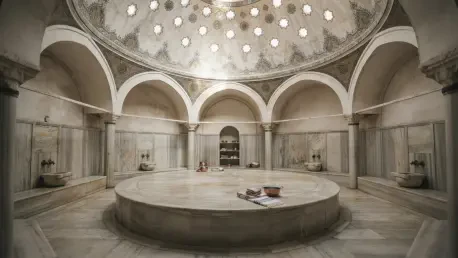

A visit to the museum at the Zeyrek Çinili Hamam provides visitors with essential historical context before they experience the physical indulgence of the bath. This shift toward deep immersion reflects a broader trend in international travel, where the 2026 jet-setter has largely abandoned the frantic, checklist-style tourism of previous decades in favor of a restorative philosophy known as slow travel. Instead of returning home exhausted by back-to-back museum tours and rigid dining reservations, travelers are now prioritizing itineraries that focus on intentionality and physiological rejuvenation. Istanbul has moved to the center of this global movement, utilizing its unique position at the crossroads of Europe and Asia to redefine what it means to be a wellness capital. By blending centuries-old traditions with modern infrastructure, the city has created a sanctuary for those seeking a holistic balance between physical health and cultural enrichment in an increasingly fast-paced world.
The Intersection of Health and Modern Luxury
Medical Tourism: Shoreline Serenity
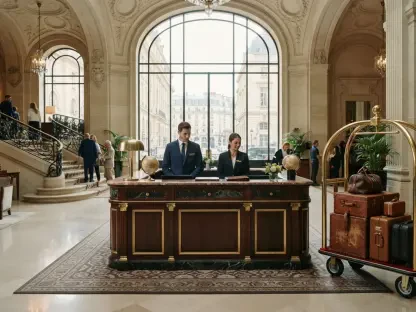
Istanbul’s rise as a premier destination for well-being is heavily supported by its sophisticated medical tourism sector, which has evolved far beyond clinical utility. In 2026, the city serves as a primary hub for individuals seeking advanced dental procedures, hair restorations, and various cosmetic enhancements, but the approach to recovery has changed significantly. Rather than spending post-operative time in sterile clinical environments, international patients are increasingly “packaging” their medical needs with a five-star lifestyle.
This hybrid model involves booking extended stays at premier hotels, allowing for a gentle healing period characterized by high-end amenities and personalized care. However, the success of such trips relies on meticulous planning and a focus on medical safety. Experts advise that travelers must rigorously vet the credentials of their chosen clinics and ensure that their travel plans include a sufficient recovery window before flying. This infrastructure, supported by a specialized hospitality sector, provides the peace of mind necessary for a successful medical-leisure hybrid trip.
Luxury Spas: The Bosphorus Epicenter
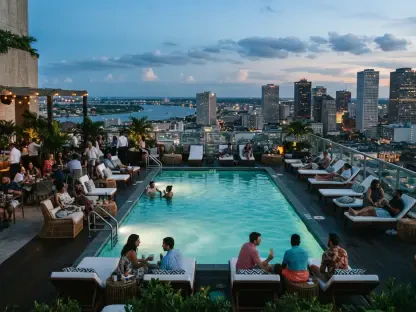
Along the shimmering banks of the Bosphorus Strait, the city has established an epicenter for high-end spa culture that is unrivaled in Europe. The shoreline is now populated with luxury establishments that offer massive, world-class wellness facilities, such as the Mandarin Oriental and The Peninsula Istanbul. These venues provide more than just standard treatments; they offer a seamless integration of cutting-edge modern technology with traditional Turkish elements.
For instance, a visitor might enjoy an advanced hydrotherapy session or a customized massage while overlooking the very waterway that divides two continents. This sensory experience is a primary component of the healing process, where the natural beauty of the strait acts as a backdrop for profound relaxation. The availability of both indoor and outdoor pools, alongside specialized treatment rooms, ensures that the environment remains conducive to tranquility regardless of the season, cementing the city’s reputation as a leader in global luxury wellness.
Holistic Nourishment and Mindful Exploration
Gastronomy: The Art of Slowing Down
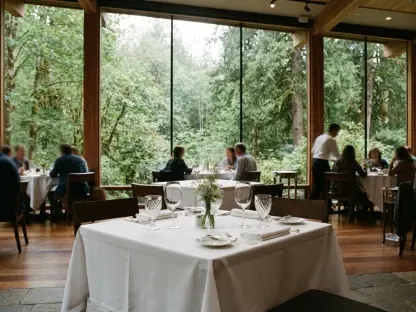
Wellness in Istanbul is also deeply rooted in the city’s culinary heritage, which offers a nutrient-dense alternative to the typical indulgences found in major global capitals. The traditional Turkish breakfast, or kahvaltı, serves as a prime example of this health-conscious approach. It is a communal and slow affair, featuring a variety of fresh herbs, olives, tomatoes, cucumbers, and high-quality proteins such as eggs and local cheeses.
This meal is designed to be savored over several hours, promoting mindful eating and better digestion. This dietary philosophy extends into the afternoon with the “tradesmen’s canteens” or esnaf lokantası, which specialize in zeytinyağlılar—seasonal vegetables braised in olive oil. These dishes represent the heart of Mediterranean nutrition, focusing on simple, fresh ingredients that nourish the body without the heavy fats or sugars often found in processed foods. In 2026, these traditional eateries became essential stops for those looking to maintain their health during travel.
Strategic Logistics: Maximum Restoration
To maximize the benefits of a restorative trip to this metropolis, strategic planning regarding timing and location was essential for every visitor. The shoulder seasons of spring and autumn offered the most pleasant climate for exploration, allowing for long walks through historic neighborhoods without the intensity of the summer heat. Late autumn, in particular, became a favored time for enjoying the deep warmth of the hamams as the external air began to cool.
Travelers were encouraged to select their base of operations based on their specific goals; the Bosphorus waterfront was ideal for those prioritizing spa-centric stays, while the district of Karaköy offered a perfect blend of modern luxury and historical proximity. By intentionally slowing the pace of travel and choosing rituals like the daily ferry crossing, visitors were able to transform a standard vacation into a genuine period of healing. These small, mindful choices allowed for a deeper connection with the city’s rhythm, ensuring that the return home was met with a sense of peace.