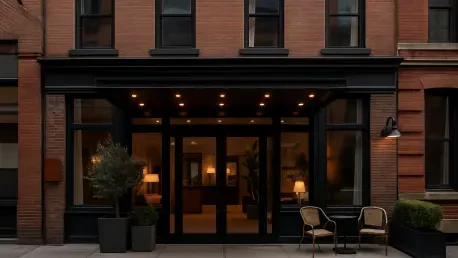

With a sharp eye for the travel and tourism industry, hospitality expert Katarina Railko has become a key voice in analyzing brand strategy and development. Today, she joins us to dissect the recent announcement of Ruby Hotels’ U.S. debut in Chicago, a move signaling a significant new player in the urban lifestyle market. We’ll explore how this German-based brand plans to blend its “bar-forward” social concept with a historic 1920s building, deliver on its promise of strong returns for owners through efficient design, and strategically expand its unique footprint across the country.
Ruby Hotels is known for its “bar-forward concept.” For the new Chicago location, how will the lobby and rooftop bars create an experience that draws in locals, and what specific design or operational elements will help it compete with established neighborhood spots?
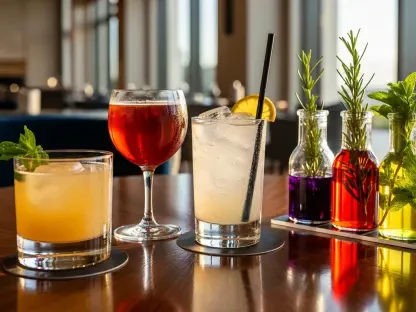
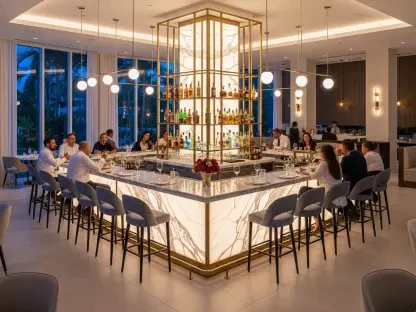
The “bar-forward concept” is really the heart of the Ruby brand, and it’s about much more than just serving drinks. The entire ground floor is designed to be a vibrant, magnetic social hub. For the Chicago property, this means creating a lobby bar that feels like a standalone destination, a place where locals would genuinely want to meet for after-work drinks or a weekend gathering, not just a transient space for hotel guests. The real crown jewel, however, will be the rooftop terrace and bar. By leveraging those incredible skyline views, it immediately becomes a sought-after location. The key to competing is authenticity; the design will be soulful and rooted in Chicago’s character, and the service will be energetic and welcoming, making it feel less like a hotel and more like the city’s newest, most exciting public living room.
You’re converting the historic 1920s Inn of Chicago. Could you share how the brand’s “storytelling through design” will honor the building’s past while introducing modern elements, and what are the key steps in achieving this balance during renovation?
This is where the brand truly shines. “Storytelling through design” is about creating a dialogue between the building’s soul and the brand’s modern identity. The goal isn’t to create a period piece but to blend the storied past of the 1920s structure with Ruby’s lean-luxe philosophy. The first step is a deep dive into the building’s history—identifying original architectural details, materials, and moods that can be preserved or reinterpreted. From there, the renovation will layer in Ruby’s signature elements: efficient room layouts, premium finishes, and smart technology. The balance is achieved by letting the history inform the aesthetic—perhaps through color palettes, textures, or art that nods to the Jazz Age—while ensuring the functionality and feel are completely contemporary and comfortable for today’s traveler.
Ruby offers owners “an elevated experience at a lower cost per square foot.” Can you explain how the brand’s efficient room layouts and turnkey design process achieve this, and what metrics demonstrate these strong returns for a historic conversion project?
This value proposition is precisely why owners are showing such strong interest. The model is built on intelligent efficiency. Ruby has a fairly prototypical guest room, which means the layouts are brilliantly designed to maximize every inch of space without feeling cramped, incorporating premium finishes where they matter most to the guest. This standardization significantly reduces complexity and cost. The “turnkey” design process is another major advantage; it provides owners with a proven, stylish, and efficient package, which is a massive benefit, especially when navigating the challenges of a historic conversion. The primary metric is the lower cost per square foot during development, which directly translates to a stronger, faster return on investment and makes the brand an incredibly attractive option in a competitive market.
Given the strategy to expand into the top 25 U.S. markets, why was Chicago chosen as the ideal debut city over other locations? What key demographic, real estate, and cultural factors will guide the selection of the next few cities for Ruby’s expansion?
Chicago was a masterful choice for a U.S. debut. It’s a global city with a deep appreciation for architecture, a dynamic local culture, and a constant flow of both business and leisure travelers who fit the Ruby demographic perfectly. The availability of a historic, high-potential building like the Inn of Chicago was certainly a critical factor. Looking ahead, the expansion strategy will be guided by similar criteria. They will target cities with a dense urban core, a vibrant arts and social scene, and a strong demand for lifestyle hotels that offer more than just a bed. We’ll likely see them look at markets where there’s a healthy mix of creative-class travelers and engaged locals, and where opportunities for compelling conversion projects or new builds align with their cost-efficient development model.
What is your forecast for the urban lifestyle hotel segment in the U.S. over the next five years?
I believe the urban lifestyle segment is poised for a significant evolution, and Ruby’s entry is a perfect example of the direction it’s headed. The forecast is for continued growth, but with a much sharper focus on efficiency and authentic local integration. For the next five years, we will see a move away from sprawling, operationally heavy properties toward more nimble, high-design concepts that deliver a premium experience at a smarter price point. Travelers are increasingly savvy; they want soulful design, vibrant social spaces, and a genuine connection to the city they’re visiting, but they don’t want to pay for excessive amenities they won’t use. Brands that can master this blend of style, community, and cost-effectiveness will not only thrive but will redefine what travelers expect from a city hotel.