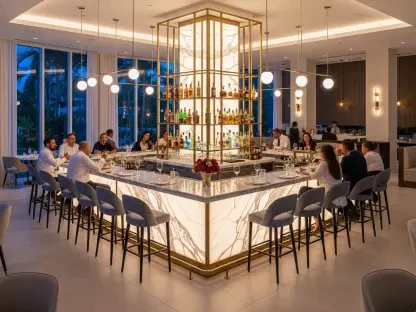

The modern traveler increasingly seeks more than just a place to stay, demanding instead a series of curated experiences that resonate on a personal and sensory level throughout their entire visit. In response to this shifting landscape, Loews Hotels & Co. has officially launched the “Alchemy by Loews” beverage program across four of its premier properties at Universal Orlando. This initiative marks a significant departure from traditional hotel bar menus by focusing on a “botanical apothecary” theme that emphasizes multi-dimensional flavors and seasonal ingredients. By integrating this new program at the Universal Helios Grand Hotel, Loews Royal Pacific Resort, Loews Portofino Bay Hotel, and Loews Sapphire Falls Resort, the brand aims to redefine the guest experience. This strategic move aligns with a broader industry trend where the bar is no longer a secondary amenity but a central component of the property identity. The focus remains on creating a cohesive narrative that bridges the gap between local culture and refined luxury, ensuring that every sip tells a story of craftsmanship and intentionality.
Elevating the Craft: Sensory Details and Intentional Mixology
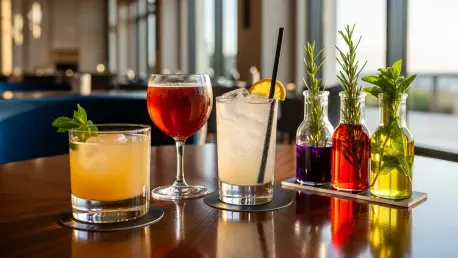
The philosophy underpinning this new beverage initiative centers on the idea that a drink should be a memorable ritual rather than a simple transaction. To achieve this, the brand has focused on the meticulous details that often go unnoticed but significantly impact the final product, such as the specific temperature of the liquid, the tactile quality of the glassware, and the subtle aromatic profile of the garnishes. This approach transforms the act of ordering a cocktail into a multi-sensory journey, where the presentation is just as important as the flavor profile itself. By prioritizing craftsmanship and personalization, the program caters to a sophisticated audience that values transparency in sourcing and precision in execution. This dedication to quality ensures that guests feel a deeper connection to the environment, as the beverages are designed to complement the unique architectural and thematic elements of each resort, fostering an atmosphere of immersive relaxation.
Furthermore, the program addresses the evolving preferences of the modern consumer by incorporating an extensive selection of “Free Spirited” non-alcoholic offerings. These selections are not mere afterthoughts but are crafted with the same complexity and attention to detail as their spirited counterparts, utilizing house-made syrups, fresh botanicals, and high-quality extracts. This inclusivity reflects a broader hospitality trend where the demand for sophisticated, alcohol-free alternatives is on the rise, allowing all guests to participate in the “Alchemy” experience regardless of their dietary choices. By removing the stigma often associated with non-alcoholic drinks, Loews is positioning itself as a leader in contemporary hospitality, where wellness and indulgence can coexist harmoniously. The standard for consistency remains high across all participating locations, ensuring that whether a guest is at Portofino Bay or Sapphire Falls, the level of service and product quality remains impeccably high.
Thematic Narratives: Signature Creations Across the Resorts
Each participating resort at Universal Orlando now features a unique menu of signature cocktails that serve as an extension of the property’s specific narrative and aesthetic. At the Universal Helios Grand Hotel, for instance, guests can experience the “Clash of the Titans,” a savory-sweet concoction that utilizes a Tanqueray base paired with a distinctive feta-honey blend. This adventurous flavor profile is designed to mirror the grand, mythic themes of the hotel, providing a bold sensory experience that challenges traditional expectations of a gin-based drink. Meanwhile, at the Loews Royal Pacific Resort, the “Golden Dawn” offers a tropical escape through the use of pineapple rum and a spicy-sweet togarashi-dipped garnish. These drinks are more than just items on a menu; they are carefully constructed pieces of a larger puzzle that helps define the guest’s sense of place. The use of regional influences and unexpected ingredient pairings demonstrates a commitment to innovation that keeps the brand competitive in a crowded market.
The exploration of diverse flavor profiles continues at the Loews Portofino Bay Hotel and Loews Sapphire Falls Resort, where the menus lean into the specific cultural inspirations of their settings. At Portofino Bay, the offerings range from the light and sparkling “Italian 75” to the more robust and complex “The Dino,” a barrel-aged rye cocktail that appeals to those with a preference for deeper, more traditional spirits. These options provide a balanced spectrum of flavors, ensuring that there is something for every palate, from the dessert-inspired “Key Lime Crush” to serious, spirit-forward selections. At Sapphire Falls, the “Sazerac” is reimagined with a rum base, providing a richer profile that aligns with the Caribbean-inspired atmosphere of the resort. By tailoring these beverages to the specific environment of each hotel, the program creates a sense of discovery for returning guests, encouraging them to explore the different properties to see how the “Alchemy” theme is uniquely interpreted at each location.
Strategic Evolution: Future Considerations for Hospitality Leaders
The successful implementation of this beverage program demonstrated that the integration of thematic storytelling and high-quality artisanal products was essential for maintaining a competitive edge in the luxury market. By synthesizing these elements, the brand effectively eliminated redundant beverage concepts in favor of a more streamlined and sophisticated approach that appealed to a wide range of guest demographics. This transition suggested that future developments in the hospitality sector would likely continue to prioritize experiential services that offered more than just utility. The emphasis on the “botanical apothecary” theme served as a successful blueprint for how large-scale resorts could maintain a boutique, personalized feel through careful attention to detail. Stakeholders in the industry observed that such initiatives not only increased guest satisfaction but also drove brand loyalty by creating distinct, repeatable moments that stayed with visitors long after their stay concluded.
Moving forward, the focus for hospitality leaders will likely shift toward refining these sensory experiences even further by leveraging local partnerships and sustainable sourcing. The “Alchemy” program set a precedent for how intentionality in beverage service could influence the overall perception of a brand’s commitment to quality. As consumer expectations continue to evolve, the ability to provide a cohesive and artisanal experience that feels deeply rooted in its local setting will remain a critical factor for success. The move toward more inclusive menus, including high-end non-alcoholic options, proved to be a necessary step in capturing a broader market share while upholding a premium brand image. Ultimately, the lessons learned from this rollout provided a clear path for future innovation, emphasizing that the most successful hospitality programs were those that combined operational consistency with a genuine passion for the craft of service and the art of the guest experience.