
In a remarkable display of strategic cultural diplomacy, the Odisha government’s Tourism Department orchestrated a vibrant three-day festival in Guwahati, effectively forging stronger cultural, tourism, and business alliances between Odisha and India’s Northeast region. The event, held at the Radisson Blu Hotel and formally launched on January 30, 2026, transcended the typical festival format to become a sophisticated platform for diaspora engagement, institutional dialogue, and industry-wide collaboration. By strategically showcasing its rich heritage, Odisha not only celebrated its identity but also positioned itself as a premier destination for experiential and sustainable tourism. The initiative’s multifaceted approach, which seamlessly integrated vivid cultural presentations with targeted business outreach, has created a powerful new model for how states can leverage their unique cultural assets to drive economic growth and deepen regional partnerships, demonstrating a forward-thinking vision for interstate cooperation.
A Strategic Fusion of Culture and Diplomacy
Fostering Inter-State Connections Through Cultural Exchange
The formal inauguration of Odisha Parab set a collaborative tone for the entire event, with Odisha’s Deputy Chief Minister, Pravati Parida, leading the ceremony alongside prominent dignitaries from both states, including Assam’s Minister of Health & Family Welfare, Ashok Singhal. Their presence underscored the high level of political and administrative support for the initiative, signaling a serious commitment to building lasting relationships. In their opening remarks, both leaders emphasized the deep-rooted historical and cultural ties that bind the eastern and northeastern regions of India, highlighting the festival as a catalyst for renewing and strengthening these bonds. The theme of cultural diplomacy was central to their discourse, framing the event not merely as a celebration but as a strategic exercise in soft power. By using culture as the primary medium of engagement, the organizers aimed to create an environment of mutual respect and understanding, which is essential for fostering genuine cooperation in more formal sectors like trade and tourism. The choice of Guwahati as the host city was particularly strategic, leveraging its status as the commercial and cultural gateway to the Northeast to maximize reach and impact.
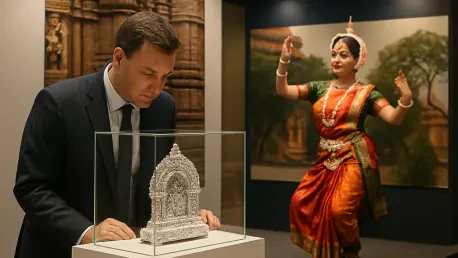
The event’s success in bridging cultural divides was most evident in its immersive exhibition pavilion and captivating nightly performances, which offered attendees a direct and engaging window into the soul of Odisha. The exhibition was meticulously curated to present a holistic view of the state’s artistic legacy, featuring an array of traditional arts, intricate handicrafts, and vibrant handlooms that spoke volumes of the skill and creativity of Odia artisans. This tangible display of culture was complemented by a culinary journey through Odisha’s distinctive cuisine, providing a sensory experience that resonated deeply with visitors. The evening cultural programs were a highlight, presenting a dynamic showcase of Odisha’s performing arts. Classical Odissi dance, with its graceful movements and expressive storytelling, shared the stage with powerful folk and tribal traditions like the energetic Ghumura, the youthful Gotipua, and the martial artistry of Paika Akhada. This diverse lineup not only entertained but also educated the audience, illustrating the depth and variety of Odisha’s cultural landscape. By presenting these art forms to a new audience, the festival actively cultivated a deeper appreciation for Odisha’s heritage, laying a strong foundation for increased cultural tourism and cross-regional artistic collaborations in the future.
Engaging the Diaspora as Cultural Ambassadors
A cornerstone of the festival was the Odia Diaspora Meet, a dedicated session that brought together government officials with members of the Odia community living throughout the Northeast. This meeting served as a powerful platform for acknowledgment and empowerment, formally recognizing the diaspora’s crucial role in representing Odisha far from its borders. Deputy Chief Minister Pravati Parida delivered a compelling address, in which she referred to the diaspora not just as former residents but as vital cultural ambassadors. She emphasized their unique position to bridge cultural gaps and foster authentic people-to-people connections, urging them to actively share their heritage and traditions within their local communities. This official validation of their role was met with enthusiasm, as it provided a sense of purpose and a direct channel of communication with their home state’s government. Assam’s Minister, Ashok Singhal, also spoke at the meet, commending the initiative for its focus on community building and its potential to enhance mutual understanding and cooperation between the people of eastern and northeastern India. The session effectively transformed the diaspora from passive observers into active participants in Odisha’s strategic outreach, creating a network of advocates poised to promote the state’s interests.
The diaspora meet was designed not only to inspire but also to facilitate tangible action, providing a forum for open dialogue where community members could share their experiences, challenges, and ideas directly with policymakers. This interactive format allowed officials to gain valuable insights into the needs and aspirations of the Odia community in the Northeast, enabling them to tailor future support and engagement initiatives more effectively. Discussions revolved around practical ways the diaspora could contribute, such as organizing local cultural events, establishing community centers, and acting as informal liaisons for tourists and potential investors from the Northeast who are interested in Odisha. By fostering this two-way communication, the government demonstrated a genuine commitment to its diaspora, viewing them as long-term partners in the state’s development. The event successfully galvanized the community, instilling a renewed sense of pride and responsibility. This strategic engagement has laid the groundwork for a sustained, community-driven effort to strengthen the cultural and social fabric connecting Odisha with the Northeast, ensuring that the spirit of Odisha Parab continues to thrive long after the festival’s conclusion.
Fostering Economic Growth and Tourism
Catalyzing Investment Through Strategic Meetings
Beyond its cultural celebrations, Odisha Parab served as a potent catalyst for economic development by facilitating a series of high-impact Government-to-Business (G2B) and Business-to-Business (B2B) meetings. These sessions were meticulously organized to connect key stakeholders from Odisha with potential investors and partners from the Northeast, creating a dynamic environment for exploring commercial opportunities. The discussions generated significant interest, particularly in Odisha’s burgeoning tourism and hospitality sectors. Investors expressed strong intent to explore projects ranging from boutique eco-resorts that leverage Odisha’s pristine natural landscapes to luxury hotels in its rapidly growing urban centers. This surge in investor confidence is a direct reflection of the state government’s proactive business policies, which include streamlined approval processes, attractive incentives, and a commitment to developing robust infrastructure. The meetings provided a crucial platform for Odisha officials to showcase these advantages and directly address investor queries, effectively demystifying the investment landscape and building trust. The positive outcomes from these interactions signal a promising future for foreign and domestic investment in Odisha, which is poised to translate into job creation and sustainable economic growth for the state.
The economic agenda of the festival was further advanced by the Odisha Tourism Roadshow, a targeted event led by Tourism Commissioner-cum-Secretary Balwant Singh. This roadshow brought together a diverse group of tour operators, travel agents, and hospitality stakeholders from both Odisha and the Northeast for focused discussions on practical collaboration. The primary goal was to create tangible business partnerships that would boost tourist traffic between the two regions. Key topics included the development of joint promotional campaigns to market combined travel itineraries, the improvement of destination connectivity through better air and land transport links, and the establishment of long-term strategic alliances. Participants explored innovative tourism packages that could offer travelers a seamless experience, blending the cultural heritage and coastal beauty of Odisha with the unique adventure and nature tourism offerings of the Northeast. The roadshow was instrumental in moving beyond theoretical discussions to forge concrete business relationships, with many tour operators initiating agreements on the spot. This proactive approach to market development is critical for unlocking the full tourism potential of both regions and establishing a more integrated and resilient tourism ecosystem across eastern India.
A New Blueprint for Regional Integration
The successful conclusion of Odisha Parab 2026 marked it as much more than a transient cultural festival; it established a strategic and replicable blueprint for regional integration. The event skillfully demonstrated how a state can leverage its unique cultural identity not only for celebration but as a powerful tool for achieving tangible diplomatic and economic outcomes. By weaving together vibrant artistic showcases with structured business forums and heartfelt diaspora engagement, the festival created a comprehensive platform that addressed multiple strategic objectives simultaneously. It fostered a sense of shared identity and mutual respect between Odisha and the northeastern states, which in turn created a fertile ground for business collaboration and investment. This holistic model proved that cultural diplomacy, when executed thoughtfully, can be a highly effective mechanism for strengthening interstate ties, promoting tourism, and driving economic prosperity in a way that resonates on both a personal and professional level. The partnerships and goodwill generated during the three-day event have significantly enhanced Odisha’s presence and influence in the Northeast.