
The shift from a mere transit point along the Interstate 10 corridor to a premier regional hub for travelers represents a significant evolution in the economic strategy of Marana. As the town concludes the initial foundational phase of its comprehensive 10-year Tourism Master Plan, the transition
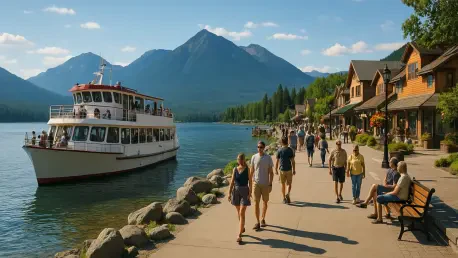
October occupancy rates are currently bolstered by event-based tourism like Oktoberfest, yet November remains a significant hurdle with occupancy levels falling below 30%. This seasonal dip serves as a reminder that even as the tourism landscape in Whitefish, Montana, reaches a state of maturation,

Authentic and less crowded alternatives like Perugia, Italy are outperforming major hubs as travelers seek cultural depth in smaller, more manageable destinations. This shift marks a broader departure from the era of standardized, mass-market tourism that dominated previous decades. As the industry

Choosing a rental in the Somosomo Strait provides unparalleled access to world-class diving and vibrant soft corals that are often less accessible from traditional resort docks. This shift toward private residences signals a broader change in how travelers engage with the South Pacific, moving away

The Mayong Central Museum serves as a vital repository for ancient manuscripts and archaeological relics that document the region's complex relationship with the occult. This transformation represents a calculated shift in how Assam approaches its cultural assets, moving away from a time when the

The hotel’s public spheres are being redesigned as the 'living room of the city,' featuring a collaborative art installation known as the Living City Ceiling. This shift in design philosophy occurs following the Kempinski Group’s acquisition of the site in 2026, setting the stage for a reopening in