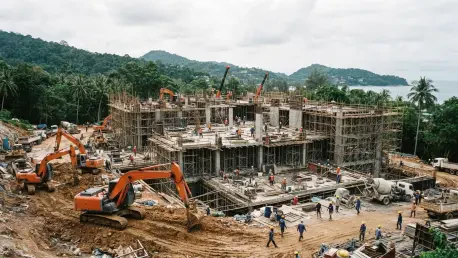

A staggering 85 percent of Phuket’s incoming hotel projects are associated with international brands, signaling an urgent need for upgraded public services to match luxury standards. As the island solidifies its status as a premier global destination, the contrast between the opulence of new branded residences and the strain on aging public utilities has become increasingly stark. This rapid economic expansion is fueled by massive international capital, yet the physical and administrative framework required to support such a surge is lagging dangerously behind. The island is currently navigating a defining moment where its reputation as a world-class hub depends entirely on its ability to bridge the gap between high-end private development and fundamental public infrastructure. To ensure that Phuket remains a competitive destination for high-net-worth travelers, local authorities and stakeholders must prioritize the modernization of essential services, ranging from reliable power grids to efficient waste disposal systems, which are currently being pushed to their limits by the luxury boom.
The Unprecedented Scale of the Luxury Market
Investment Trends: High-End Developments and Rising Demands
The current hospitality landscape is witnessing an extraordinary influx of investment, with data indicating a pipeline of 30 major hotel projects that will bring over 5,500 new rooms to the market. This shift toward the ultra-premium segment is exemplified by multibillion-baht developments such as the Bt 50 billion Synthesis Ark, featuring the ICONPHUKET retail hub, and the expansive Gardens of Eden project in Bang Tao. These developments are not merely hotels; they are massive mixed-use complexes that integrate luxury retail, wellness centers, and branded residences into a single footprint. This concentration of high-profile international brands elevates the island’s global profile but simultaneously creates a massive spike in localized demand for electricity, water, and specialized maintenance services. The arrival of these “Minor Reserve Collection” style projects signals that the island has moved beyond mass tourism, requiring a sophisticated infrastructure strategy that matches the expectations of an elite global clientele.
Regional Infrastructure: Managing Demands for Local Resources
While these high-end projects generate immediate economic benefits, including significant job creation and a surge in demand for professional and construction services, they also highlight a systemic imbalance in resource allocation. The infrastructure required to support a 5,000-square-meter wellness center or a sprawling resort complex is vastly different from that needed for traditional tourism models. Current administrative frameworks are struggling to keep pace with the sheer volume of construction and the long-term operational requirements of these facilities. This disparity is particularly evident in the northern and western coastal regions, where development has been fastest. Without a proactive and centralized approach to utility management, the very growth that is driving the economy could eventually become the island’s most significant liability. To sustain this momentum, there must be a coordinated effort to ensure that the capacity of the power grid and water supply systems is expanded well before these major new developments reach full operational capacity.
Critical Failures in Waste and Water Management
Waste Management: Addressing the Growing Daily Waste Deficit
One of the most pressing challenges currently facing the island is a severe waste management crisis, where daily trash production has far outpaced existing processing capabilities. Phuket currently generates approximately 1,400 tons of waste every day, yet the island’s processing facilities are only equipped to handle about 700 tons, resulting in a staggering 500 percent deficit in capacity relative to total needs. Even with a second incinerator scheduled for completion in 2027 to add 500 tons of daily capacity, the calculations remain problematic, leaving a 200-ton daily shortfall. This calculation does not even fully account for the thousands of additional hotel rooms and luxury residences currently under construction, which will inevitably push waste volumes even higher. Without a radical overhaul of recycling programs and food-waste management, the island risks a public health and aesthetic crisis that could tarnish its image as a pristine luxury paradise. Effective waste separation must become a mandatory standard for all new luxury developments to reduce the burden on public systems.
Ecological Security: Protecting Marine Ecosystems and Integrity
Sustainability is further threatened by seasonal water shortages and the strain that massive resort pools and landscaping place on the local supply. The current Environmental Impact Assessment (EIA) process often evaluates individual projects in isolation, ignoring the cumulative impact that dozens of simultaneous developments have on the island’s primary water table and marine ecosystems. Poorly managed wastewater and sewage systems represent a direct threat to the very beaches that serve as the primary attraction for the luxury market. When local drainage systems are overwhelmed by the collective weight of multiple hotels, the resulting pollution can cause irreparable damage to coral reefs and coastal waters. To preserve the environmental integrity of the island, a shift toward aggregate environmental monitoring is necessary. This involves assessing the carrying capacity of specific neighborhoods rather than just individual plots, ensuring that the total volume of wastewater does not exceed the treatment capacity of the surrounding public and private infrastructure.
Connectivity Bottlenecks and Strategic Solutions
Transportation Logistics: Modernizing Connectivity Infrastructure
Transportation infrastructure remains a critical point of friction for both residents and international visitors, as chronic traffic congestion between Phuket International Airport and the southern resort zones continues to impede productivity. While plans for a 42-kilometer light rail system are underway to connect the airport to Chalong via Phuket Town, the timeline for this project is a cause for concern. Construction is not slated to begin until late 2029, with completion targeted for 2032, leaving a significant gap in modern transit solutions during the height of the luxury boom. Furthermore, the current design of the rail line bypasses major tourism hubs like Patong, Kamala, and Bang Tao, creating a “West Coast Gap” that limits the system’s overall effectiveness. To address these connectivity issues, the island requires a multimodal transportation network that integrates the future rail line with electric bus feeders and significant upgrades to the existing road network. Improving airport transfer efficiency and reducing travel times is essential for maintaining the appeal of the island for business travelers.
Strategic Governance: Future Pathways and Sustainable Growth
The transition toward a sustainable model requires a fundamental shift in how the island manages its rapid real estate expansion and core public systems. Leaders recognized that opulent resorts could not thrive without the support of functional roads and reliable water supplies. Consequently, the implementation of a dedicated infrastructure fund became a priority, where major developers contributed directly to the expansion of regional waste incinerators and sewage treatment facilities. By late 2026, the focus shifted to creating a multimodal transportation network that integrated the planned rail with electric bus feeders to close the connectivity gap on the West Coast. This strategy ensured that utility upgrades preceded the issuance of new high-density construction permits. By prioritizing these structural improvements, stakeholders successfully preserved the island’s environmental integrity, providing a clear roadmap for other global destinations facing similar growth pressures. This proactive governance successfully secured the island’s position as a sustainable leader in the global luxury market.