
As London prepares to welcome the new year with its iconic fireworks and city-wide celebrations, residents and visitors in South London face a particularly complex travel situation that will require careful and advance planning. While Transport for London (TFL) is providing extended all-night services on many lines to accommodate the festivities on December 31, a series of significant and pre-planned engineering works will simultaneously cause major disruptions across the region’s rail network. This confluence of enhanced services and widespread closures creates a challenging landscape for anyone hoping to travel into, out of, or across South London. Navigating the evening will demand more than a casual glance at a transport map; it will necessitate a detailed, route-specific strategy to avoid being stranded by unexpected suspensions and diversions. The key to a successful New Year’s Eve will lie in understanding these changes before beginning any journey.
Widespread Rail and Road Modifications
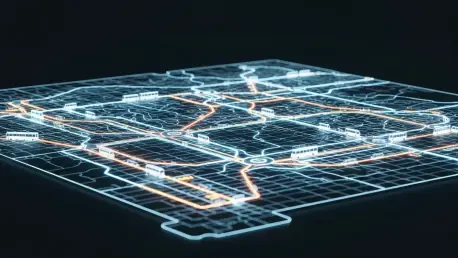
An extensive program of engineering works is set to severely impact National Rail services, creating significant hurdles for travelers relying on trains in South London. On New Year’s Eve, which will operate on a Saturday schedule for most TFL services, Brixton’s National Rail and Southeastern station will see a complete suspension of all train services. This closure extends to nearby hubs, with no Southeastern or Thameslink services running through either Denmark Hill or Loughborough Junction. Furthermore, a critical segment of the Windrush Line will not be in operation between Clapham Junction and Surrey Quays, severing a key orbital link. Compounding these issues, Southwestern Railway will offer a reduced service into the major terminal at Waterloo. While rail replacement buses will be available on some of the affected routes, passengers should anticipate longer journey times. In contrast, to support late-night revelers, most Underground lines, the DLR, and Croydon Tramlink will run continuously through the night, as will the northern and eastern sections of the Windrush Line between Highbury & Islington and Crystal Palace or West Croydon.
The impact of the central London fireworks display will ripple out to affect all surface transportation, particularly bus services connecting to South London. Road closures around the South Bank and other key areas will commence as early as 2 PM on December 31, with additional closures on roads and Thames bridges implemented as the evening progresses. Consequently, numerous bus routes that typically travel into the city center will be diverted or curtailed, terminating short of their usual destinations at major transport interchanges such as Vauxhall, Elephant and Castle, or London Bridge. To manage the high demand and altered routes, TFL will add extra night bus services on several key corridors, including the 37, 45, 196, 345, and N250. Travelers should be aware that normal TFL fares will remain in effect throughout the holiday period. The disruptions will continue into New Year’s Day, as most services will run on a Sunday timetable and further road closures in the West End will be necessary for the annual parade.
Reflecting on a Navigated New Year’s Eve
Those who successfully traversed South London’s intricate transport network during the New Year’s Eve celebrations were overwhelmingly the individuals who planned their journeys meticulously in advance. The patchwork of simultaneous service enhancements and severe engineering-related shutdowns created an environment where relying on routine travel habits proved ineffective. Instead, the critical tool for a smooth journey was the use of official TFL and National Rail journey planners, which provided the most accurate, real-time information on diversions, replacement services, and operational schedules. The experience underscored that in a city with a constantly shifting transport landscape, proactive digital engagement was no longer a convenience but a necessity for avoiding significant delays and frustration. Ultimately, the evening demonstrated that a successful trip depended less on the mode of transport chosen and more on the quality of the information used to plan it.