
The release of Dan Brown’s latest thriller, The Secret of All Secrets, has sparked a remarkable cultural phenomenon in the Czech capital, where history and mystery converge to draw record-breaking crowds to the city’s ancient streets. Since the book’s debut in September, the demand for immersive experiences has reached unprecedented heights, with over 680 domestic and international participants joining nearly 100 guided walks that often sell out within hours of being announced. This surge in literary tourism mirrors the massive global impact seen years ago in Paris and London, demonstrating how modern fiction can breathe new life into heritage sites. Prague City Tourism has responded by significantly expanding its portfolio of thematic routes to accommodate this intense interest. By blending the fictional intrigue of the novel with the tangible architectural wonders of the city, officials have successfully created a unique draw for travelers who seek to experience the specific atmosphere described in the narrative.
Integrating Fiction With Historical Reality
Exploring the Shadows of the Cold War
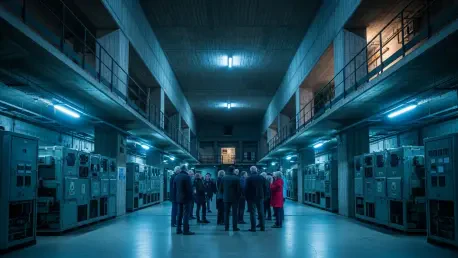
The primary new route, titled Prague of Dan Brown: A Hidden Laboratory in the Heart of Europe, represents a bold shift toward incorporating technical and modern historical sites into the traditional tourist circuit. This particular journey delves deep into the themes of neurology and extrasensory perception featured in the novel, guiding visitors toward the Bastion U Božích muk and providing exclusive access to the Folimanka shelter. As a 1,332-square-meter monument to Cold War engineering, the shelter has experienced a notable spike in attendance, allowing city administrators to increase public awareness regarding civil protection and the importance of preserving mid-century technical history. This focus on lesser-known locations serves to alleviate the congestion in the Old Town while simultaneously offering a more nuanced view of Prague’s multi-layered history. Participants are often surprised by the sheer scale of the underground facilities, which provide a stark contrast to the gothic beauty above.
Deciphering the Mysteries of the Castle District
In collaboration with the Prague Castle Administration, a second specialized route has been developed to explore the deep symbolism and mysticism embedded in the city’s most iconic landmarks. This tour guides enthusiasts through the Valdštejn Garden, the Vladislav Hall, and the majestic St. Vitus Cathedral, where the narrative of the novel intersects with the actual history of the Bohemian kings and religious orders. By focusing on the esoteric details hidden in the architecture, such as the intricate stone carvings and the alignment of the cathedral’s chapels, the tour provides a sophisticated analysis that satisfies both literary fans and history buffs alike. These additions complement the original popular tour that covers the Old Jewish Cemetery and the Old-New Synagogue, effectively creating a comprehensive network of sites that span several centuries of development. The integration of high-level historical research ensures that the experience remains educational while maintaining the fast-paced tone of the thriller.
Expanding the Cultural and Economic Impact
Diversifying the Tourism Experience
To better manage the influx of international fans, the city has strategically structured its tour schedule and language offerings to maximize accessibility for diverse demographics. While the standard group tours are primarily conducted in Czech on Saturday mornings, private bookings have become increasingly popular and are now available in English and several other major languages. This flexibility allows the city to cater to high-spending international travelers who seek a more personalized and in-depth exploration of the city’s mysteries. Moreover, by encouraging movement away from the overcrowded historic center, the tourism board is successfully promoting a more sustainable model of urban exploration. The expansion of these literary tours has also sparked interest among local residents who may have previously overlooked certain technical monuments or historical sites in their own backyard. This renewed curiosity has led to a greater appreciation for the city’s diverse heritage, which remains a core objective for the council.
Analyzing the Strategic Success of Cultural Branding
The strategic expansion of these literary journeys provided a blueprint for how modern metropolitan areas could effectively leverage popular media to enhance their global brand identity. By synthesizing the fictional mystery of the novel with actual architectural assets, the city council managed to highlight technical monuments that would have otherwise remained obscure to the average traveler. This initiative created a cohesive narrative between modern pop culture and classical heritage, fostering a deeper connection between the visitors and the urban environment. City planners realized that the success of such programs depended on the balance between entertainment and educational integrity, ensuring that the historical truth was never sacrificed for narrative convenience. Moving forward, the city considered implementing digital augmentations and interactive exhibits within the underground shelters to further modernize the visitor experience. These steps ensured that the momentum generated by the literary craze translated into a permanent improvement.