
The Australian tourism landscape has reached a pivotal moment where the traditional focus on volume is being replaced by a sophisticated emphasis on ecological integrity and community value. As travelers across the globe become more discerning about the environmental impact of their journeys, SeaLink Marine & Tourism is positioning itself at the forefront of this evolution by integrating a robust sustainability framework into every facet of its national operations. This transformation is not merely a response to market pressure but a proactive realignment of the company’s core business model to ensure the long-term viability of Australia’s most iconic natural destinations. By focusing on purposeful travel, the organization addresses the growing demand for experiences that contribute positively to the protection of natural and cultural heritage. Current data indicates that a significant portion of the modern market now prioritizes operators who demonstrate a tangible commitment to conservation and local social welfare.
Safeguarding Marine Biodiversity and Coastal Integrity
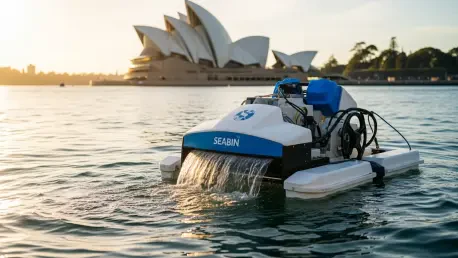
To meet the complex challenges of operating within sensitive marine environments, the company has implemented a comprehensive Environmental Management Plan that targets site-specific ecological needs. In the Whitsundays, for instance, active reef health monitoring and the management of predatory species like the crown-of-thorns starfish play a critical role in maintaining the resilience of the Great Barrier Reef. This hands-on approach extends to the restoration of seagrass beds, which serve as vital carbon sinks and essential habitats for diverse marine life. Meanwhile, in high-traffic urban areas such as Sydney Harbour, the deployment of the Seabin Smart City Program has allowed for the continuous filtration of microplastics and surface debris from the water. These technological interventions have successfully processed hundreds of millions of liters of seawater in the current year, proving that large-scale tourism can coexist with—and even enhance—the health of the aquatic ecosystems that define the Australian coastline.
Beyond the shoreline, land-based conservation initiatives are equally prioritized through rigorous adherence to advanced ecotourism standards at properties like Kingfisher Bay Resort on K’gari. The facility is meticulously designed to minimize its physical footprint on the world’s largest sand island while serving as a hub for environmental education through its specialized ranger programs. These initiatives are essential for fostering a conservation-minded culture among guests, ensuring that the next generation of travelers understands the delicate balance required to preserve such unique landscapes. In Western Australia, partnerships with environmental research groups facilitate ongoing beach clean-ups on Rottnest Island, providing critical data for national studies on marine debris. By treating every destination as a living classroom, the company transforms the guest experience from passive sightseeing into active participation in the preservation of Australia’s natural legacy, reinforcing the idea that sustainable travel is a shared responsibility.
Advancing Fleet Modernization and Cultural Stewardship
The decarbonization of marine transport represents one of the most ambitious components of this strategic shift, requiring significant investment in next-generation vessel technology and infrastructure. Current efforts are centered on the adoption of energy-efficient hull designs and the integration of low-emission engines that substantially reduce the carbon intensity of ferry operations across the country. Research into solar-assisted systems and hydrogen-ready vessel architectures demonstrates a forward-thinking approach to energy consumption, moving the industry closer to a zero-emission future. Digital transformation also plays a supporting role in this transition, as the move toward paperless ticketing and streamlined resource management significantly cuts down on physical waste. These innovations are not isolated improvements but part of a cohesive strategy to modernize the entire transport network, ensuring that the movement of people across Australia’s waters is as efficient and environmentally friendly as possible.
Parallel to these technological advancements is a deep commitment to social sustainability and the preservation of Indigenous cultural heritage through meaningful community partnerships. By collaborating with Traditional Owners in regions such as the Tiwi Islands and Minjerribah, the company facilitates authentic storytelling that enriches the traveler’s understanding of the land’s history and spiritual significance. These “On-Country” experiences are vital for ensuring that the economic benefits of tourism are distributed equitably and that local communities maintain agency over how their stories are told. Initiatives like the CommunityLink program on Kangaroo Island further strengthen these ties by supporting local infrastructure and social projects, creating a mutually beneficial relationship between the tourism operator and the residents. This holistic view of sustainability recognizes that environmental protection cannot be achieved in isolation from the people who have served as the land’s custodians for millennia.
Integrating Future Solutions for Sustainable Growth
The strategic overhaul of tourism operations successfully established a new benchmark for how large-scale transport networks integrated conservation into their daily functions. Industry leaders recognized that the path forward required a shift from simple mitigation to active restoration, ensuring that every passenger journey contributed to the health of the local ecosystem. Operators found that transparency in reporting environmental metrics became a key differentiator in attracting high-value travelers who demanded accountability. Moving forward, the focus turned toward expanding these initiatives into standardized protocols that other sectors of the hospitality industry could adopt. By prioritizing the recruitment of specialized environmental staff and investing in local biodiversity projects, the organization proved that profitability and planet-centric values were not mutually exclusive. Stakeholders prioritized the development of long-term community trust, ensuring that future tourism developments remained rooted in the principles of equity.