
With a celebrated career in the travel and tourism industry, Katarina Railko has become a leading voice in the evolution of luxury hospitality. Her expertise, particularly in large-scale events and experiential travel, offers a unique perspective on the trends shaping the future of high-end resorts. We delve into the growing demand for wellness-focused, outdoor luxury, exploring how IHG’s new Six Senses property in Utah is poised to redefine the market. Our conversation touches on the unique challenges of “tented” architecture, the art of curating experiences that connect guests to their environment, and the strategic vision required to set a new benchmark in an increasingly competitive landscape.
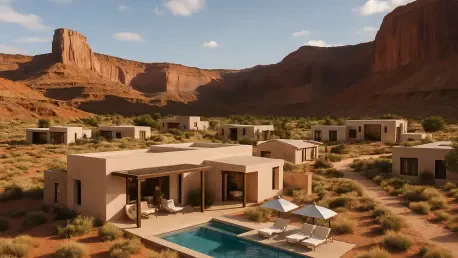
The new Utah property will feature 41 luxury tented pavilions. What specific challenges and opportunities does this “tented” architectural style, led by Luxury Frontiers, present for delivering an ultra-luxury experience compared to traditional resort construction?
This is a fascinating and crucial aspect of the project. A tented pavilion concept immediately shatters the barrier between the guest and the natural environment, which is the ultimate luxury. The opportunity is to create an immersive sensory experience—the sound of the wind, the scent of the desert sage, the feeling of being truly in the landscape. However, the challenge is immense. You have to deliver absolute, uncompromising comfort and silence when desired. This involves sophisticated engineering for climate control, soundproofing, and structural integrity against the elements, ensuring a guest is perfectly warm in a winter snowstorm and cool during a summer afternoon. It’s about creating a cocoon of luxury that feels both elemental and incredibly refined, a balance that traditional construction struggles to achieve.
With a location near several major national parks like Zion and Bryce Canyon, how will Six Senses Camp Korongo integrate unique “opportunities for exploration and discovery” into the guest experience? Can you provide a detailed anecdote or example of a signature activity being planned?
It’s about moving beyond a simple guided tour and crafting a deeply personal journey. Imagine a “geological immersion” experience. It wouldn’t just be a hike. It would begin at dawn with a private guide, an expert in both geology and local indigenous history, leading you into a slot canyon not accessible to the general public. As the sun rises, casting those incredible hues on the canyon walls, you’d participate in a silent, mindful walk, followed by a talk about the millions of years of history under your feet. The experience would culminate not with a simple packed lunch, but with a gourmet meal prepared by the resort’s chef over an open fire, featuring locally sourced ingredients that reflect the terroir. It’s this multi-sensory, educational, and utterly exclusive approach that transforms a beautiful hike into a core memory and a true moment of discovery.
Six Senses is expanding in locations like Utah, Colorado, and South Carolina. What key market signals show that demand for wellness-focused, outdoor luxury travel is growing, and how does this strategy differentiate IHG from competitors like Marriott and Hilton who are also entering this space?
The signals are loud and clear. Post-pandemic, the definition of luxury has shifted dramatically from opulence to well-being and space. Travelers are actively seeking “natural connection and wellness,” and they are willing to invest in it. We see this in booking patterns, in social media trends, and in the premium placed on authentic, transformative experiences over material goods. While competitors like Marriott and Hilton are certainly developing excellent outdoors-focused properties, the Six Senses strategy is rooted in a much deeper, more holistic philosophy. It’s not just about offering a beautiful property near a national park; it’s about integrating wellness into every touchpoint—from the spa to the food to the activities. This brand was founded on these principles, so it’s in its DNA. That authenticity is a powerful differentiator that resonates with today’s discerning luxury traveler.
The stated goal for this resort is to “set a new standard” for ultra-luxury travel. Beyond occupancy rates, what specific metrics will define this new standard, and can you walk me through a few key touchpoints of the guest journey that will deliver on this promise?
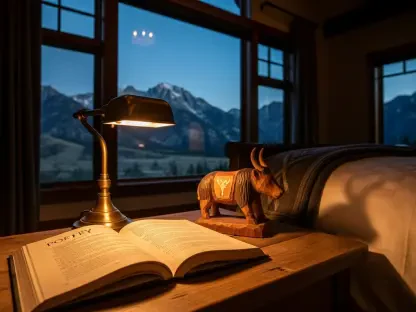
Setting a “new standard” is about measuring the emotional return on investment for the guest. The key metrics will be things like guest repeat rates, the level of personalization achieved, and even post-stay engagement. The guest journey will be meticulously curated from the very first interaction. Imagine a pre-arrival call not about your dietary needs, but about your wellness goals for the trip—are you seeking adventure, solitude, or spiritual connection? Upon arrival, there’s no formal check-in desk; you’re greeted by your personal guide. In your pavilion, the scent, the music, and even the books have been tailored to your preferences. The true standard is set when a guest leaves not just feeling rested, but feeling fundamentally changed by their connection to the place, the people, and themselves.
With an opening planned for 2029, what are the most critical milestones in your partnership with Canyon Global Partners over the next few years? Please describe the process of balancing the Six Senses brand’s wellness ethos with the development realities on a 480-acre site.
For a project of this scale and ambition, the next few years are about meticulous planning and deep collaboration. A critical early milestone is the master planning of the 480-acre site, which involves a delicate dance between the architectural vision of Luxury Frontiers and the ecological integrity of the land. We have to map out not just where the 41 pavilions and 12 residences will go, but also the trails, the spa location, and the back-of-house facilities with a minimal environmental footprint. The process involves balancing the developer’s financial models with the brand’s non-negotiable commitment to sustainability and wellness. Every decision, from water usage to material sourcing, must align with the Six Senses ethos. It’s a long-term vision where the health of the land is seen as integral to the health and wellness of the future guests.
What is your forecast for the future of ultra-luxury, experiential travel in the U.S.?
I believe we are moving into an era of “conscious luxury.” The future isn’t about more gold taps or bigger suites; it’s about deeper meaning, exclusivity of experience, and a genuine connection to place. Travelers will increasingly seek out brands that not only provide impeccable service but also demonstrate a real commitment to sustainability, community, and personal well-being. The properties that succeed will be those that act as platforms for transformation—places that are remote but connected, wild but comfortable, and luxurious but with a clear, authentic soul. The Six Senses project in Utah is a perfect harbinger of this future.